
Gluten-Free Desserts in Singapore: Traditional Options That Are Naturally Safe
Discover naturally gluten-free traditional Singaporean desserts, from sweet potato balls to kueh and cheng tng. A guide for those with coeliac disease, gluten sensitivity, or anyone seeking healthier dessert options.
Ah Ma QQ Bowl
Published 16 April 2026
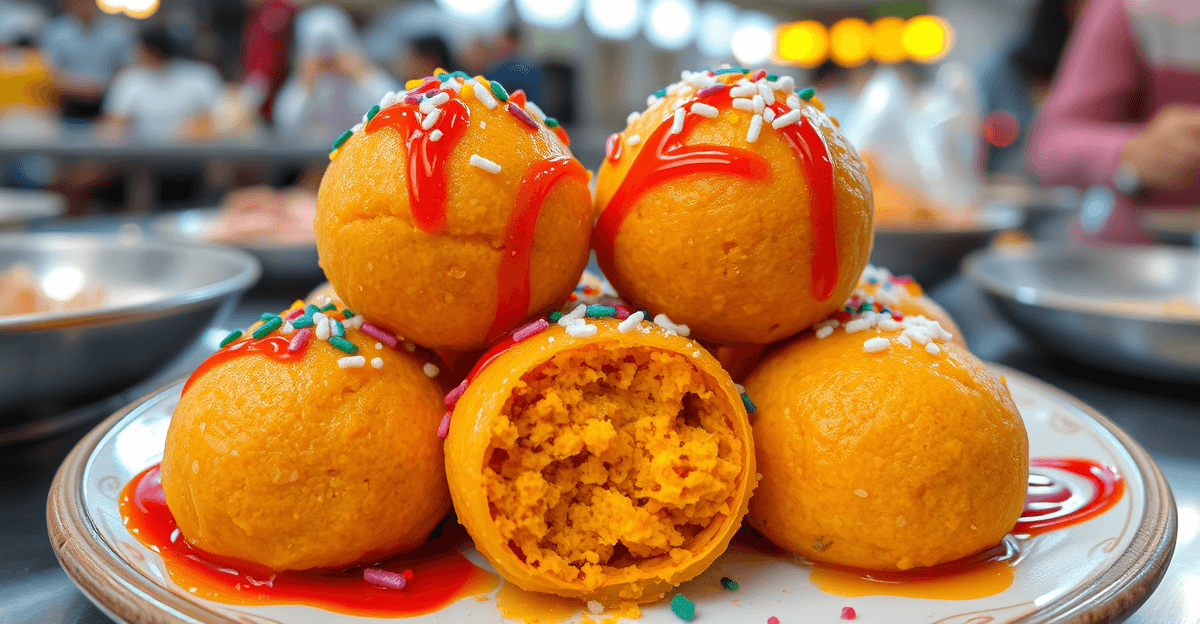
We've had a few customers message us specifically to ask: "Are your sweet potato balls safe for someone with coeliac disease?" The answer is yes — and it made us realise how hard it is for gluten-free folks to find safe desserts in Singapore. Most Western-style bakeries rely heavily on wheat flour, and even Asian desserts sometimes contain hidden gluten in the form of wheat starch, soy sauce, or malt.
TL;DR: Discover naturally gluten-free traditional Singaporean desserts, from sweet potato balls to kueh and cheng tng. A guide for those with coeliac disease, gluten sensitivity, or anyone seeking healthier dessert options.
The good news? Singapore's traditional dessert heritage offers a wealth of options that are naturally gluten-free — not adapted or substituted, but inherently wheat-free from the start. Many of these desserts have been made this way for generations, long before "gluten-free" became a dietary label.
This guide covers the best naturally gluten-free traditional Singaporean desserts, explains why they are safe, and helps you navigate the local dessert scene with confidence.
Why Traditional Singaporean Desserts Are Often Gluten-Free
Traditional Singaporean desserts are rooted in Hokkien, Teochew, Cantonese, Malay, and Peranakan culinary traditions. These cuisines historically did not rely on wheat flour for desserts. Instead, they used:
- Tapioca flour (from cassava root) — gives QQ texture to balls and cakes
- Rice flour (from rice) — the base for many kueh
- Coconut (milk, cream, and grated) — provides richness and binding
- Mung beans (green beans) — used in soups and as fillings
- Palm sugar (gula melaka) — natural sweetener from palm sap
- Pandan leaves — for flavour and colour
None of these contain gluten. This is why so many traditional desserts are naturally safe — they were designed before wheat flour became ubiquitous in Southeast Asian cooking.
The Best Naturally Gluten-Free Singaporean Desserts
1. Sweet Potato Balls in Green Bean Soup
Gluten-free status: Naturally gluten-free
Sweet potato balls are made from mashed sweet potato and taro mixed with tapioca flour — a completely wheat-free starch derived from cassava root. The resulting balls are soft, chewy, and have that distinctive QQ bounce.
Served in green bean soup (slow-cooked mung beans with rock sugar), this dessert is:
- Gluten-free
- Dairy-free
- Egg-free
- Nut-free
At Ah Ma QQ Bowl, our sweet potato balls contain only: taro, sweet potato, mung beans, tapioca flour, rock sugar, water, and pandan leaf. Our kitchen does not handle wheat, barley, or rye at any stage, making it a safe choice for those with coeliac disease.
Where to get it: Order online from Ah Ma QQ Bowl — next-day delivery across Singapore.
2. Cheng Tng (Clear Sweet Soup)
Gluten-free status: Naturally gluten-free
Cheng tng is a refreshing clear soup made with longan, barley (note: barley contains gluten — see below), white fungus, lotus seeds, ginkgo nuts, and rock sugar.
Important caveat: Traditional cheng tng contains barley, which contains gluten. If you are coeliac or gluten-sensitive, ask for cheng tng without barley, or look for versions that use sago instead. The other ingredients are all naturally gluten-free.
3. Bubur Cha Cha
Gluten-free status: Naturally gluten-free
This Peranakan dessert is a colourful sweet soup made with sweet potato, taro, sago pearls, and black-eyed peas in coconut milk. All ingredients are naturally gluten-free:
- Sweet potato and taro — root vegetables
- Sago pearls — from sago palm starch
- Coconut milk — from coconuts
- Palm sugar — from palm sap
Bubur cha cha is rich, warm, and satisfying — and completely safe for those avoiding gluten.
4. Sago Pudding (Sago Gula Melaka)
Gluten-free status: Naturally gluten-free
Sago pearls (from the sago palm, not wheat) are cooked into a pudding, chilled, and served with coconut cream and gula melaka syrup. Every component is gluten-free:
- Sago pearls — sago palm starch
- Coconut cream — coconut
- Gula melaka — palm sugar
This is a popular local dessert that is elegantly simple and entirely safe for gluten-free diets.
5. Ondeh Ondeh
Gluten-free status: Check the flour used
Traditional ondeh ondeh uses glutinous rice flour (not wheat flour) for the outer shell, with a filling of gula melaka, rolled in freshly grated coconut. Glutinous rice flour is gluten-free despite its confusing name — "glutinous" refers to its sticky texture, not to the presence of gluten.
Caveat: Some modern versions may use a mix of flours, including wheat. Always confirm with the maker that only glutinous rice flour and tapioca flour are used.
6. Tau Suan (Split Mung Bean Soup)
Gluten-free status: Mostly gluten-free, check for wheat starch
Tau suan is a thick, sweet soup made from split mung beans. The soup itself is gluten-free, but some hawkers use wheat starch as a thickener. Traditional recipes use tapioca or cornstarch instead.
The you tiao (fried dough fritters) typically served with tau suan contain wheat flour and must be avoided.
7. Red Bean Soup (Hong Dou Tng)
Gluten-free status: Naturally gluten-free
Red bean soup is simply red beans (adzuki beans) slow-cooked with rock sugar and sometimes orange peel or pandan leaf. It is:
- Naturally gluten-free
- Dairy-free
- Simple and wholesome
Some versions include sago or tapioca pearls, both of which are gluten-free.
Understanding "Hidden Gluten" in Asian Desserts
While many traditional desserts are naturally gluten-free, there are common sources of hidden gluten to watch for:
Wheat Starch
Some hawkers use wheat starch as a thickening agent in soups and sauces. This is a problem for people with coeliac disease. Always ask if you are unsure.
Soy Sauce
Some desserts, particularly savoury-sweet ones, may use soy sauce which typically contains wheat. This is rare in pure desserts but worth being aware of.
Shared Equipment
Hawker stalls often prepare multiple items in the same kitchen. Cross-contamination is a real risk if the same pots, utensils, or surfaces are used for both wheat-containing and wheat-free items.
Malt Flavouring
Some modernised versions of traditional desserts may use malt extract or maltose derived from barley. Check if you are coeliac.
Tips for Eating Gluten-Free Desserts in Singapore
At Hawker Centres
- Ask the stall owner about ingredients — most are happy to explain
- Avoid anything with obvious wheat components (pastry, you tiao, bread)
- Stick to soups and steamed items, which are less likely to contain hidden wheat
- Be aware of cross-contamination risks at busy stalls
At Restaurants
- Higher-end restaurants are more likely to accommodate dietary requests
- Ask your server about gluten-free options — many traditional desserts on the menu may qualify
- Specify "no soy sauce" and "no wheat starch" if ordering traditional desserts
Ordering Online
- Online dessert shops like Ah Ma QQ Bowl typically list full ingredients
- Look for products that are explicitly labelled gluten-free
- Check whether the kitchen also handles wheat products (cross-contamination risk)
At Ah Ma QQ Bowl, our kitchen does not process wheat, barley, or rye at any stage. Our products are made in a dedicated facility that handles only our sweet potato ball recipe.
The Difference Between "Gluten-Free" and "Coeliac-Safe"
It is worth noting the distinction:
- Gluten-free ingredients: The recipe does not call for any gluten-containing ingredients
- Coeliac-safe: The product is made in a facility with no cross-contamination risk, with verified gluten-free supply chains
Most hawker stall desserts fall into the first category — gluten-free by recipe but with potential cross-contamination. If you have coeliac disease, a controlled home kitchen or dedicated facility like Ah Ma QQ Bowl is the safer choice.
A Note on "Glutinous" Rice Flour
This trips up many people new to gluten-free eating. Glutinous rice flour is gluten-free. The word "glutinous" refers to the sticky, glue-like texture of the cooked rice — not to the protein gluten found in wheat, barley, and rye.
Glutinous rice flour is made from short-grain sticky rice and is used extensively in Asian desserts. It is completely safe for people with coeliac disease and gluten sensitivity.
Order Gluten-Free Desserts Online
If you are looking for a reliable source of naturally gluten-free traditional desserts in Singapore, Ah Ma QQ Bowl delivers handmade taro sweet potato balls in green bean soup across the island.
- Naturally gluten-free — no wheat, barley, or rye
- Dairy-free, egg-free, nut-free — no common allergens
- No preservatives — just real ingredients, frozen fresh
- Next-day delivery across Singapore
- Made in a dedicated kitchen — no wheat processed on site
Browse our products or contact us with any questions about ingredients and allergens.
Sources
Craving sweet potato balls?
Ah Ma's handmade taro sweet potato balls in green bean soup — soft, chewy, naturally gluten-free, no preservatives. Made fresh in our Hougang kitchen.
Frequently Asked Questions
Yes. Sweet potato balls made with tapioca flour (from cassava root) are naturally gluten-free. At Ah Ma QQ Bowl, our sweet potato balls contain only taro, sweet potato, tapioca flour, mung beans, rock sugar, water, and pandan leaf — all naturally gluten-free ingredients. Our kitchen does not process wheat, barley, or rye.
Many traditional Singaporean desserts are naturally gluten-free because they use tapioca flour, rice flour, or coconut-based ingredients instead of wheat. Examples include sweet potato balls, ondeh ondeh, cheng tng, bubur cha cha, sago pudding, and many types of kueh. Always confirm specific ingredients with the maker, as some modern variations may use wheat flour.
Ah Ma QQ Bowl offers handmade sweet potato balls in green bean soup that are naturally gluten-free, dairy-free, and nut-free. Order online at ahmaqqbowl.com for next-day delivery across Singapore. For other gluten-free options, check specialty bakeries and health food stores, though traditional desserts from hawker centres may have cross-contamination risks.
Traditional green bean soup (luk tau tng) made with mung beans, rock sugar, and water is naturally gluten-free. Mung beans are legumes, not grains, and contain no gluten. At Ah Ma QQ Bowl, our green bean soup is made with mung beans, rock sugar, pandan leaf, and water — all gluten-free.
Sweet potato balls use tapioca flour (also called tapioca starch), which is made from cassava root. Tapioca flour is naturally gluten-free and gives sweet potato balls their characteristic QQ (chewy, bouncy) texture. It is a completely different product from wheat flour and is safe for people with coeliac disease or gluten sensitivity.
Craving these? Order fresh from our Hougang kitchen
Soft, chewy sweet potato balls in warm green bean soup — handmade with real taro and green beans, no preservatives. Order online for delivery across Singapore.
Order NowRelated Articles
Durian Season in Singapore: When It Starts, What to Eat, and the Best Durian Desserts
Everything you need to know about durian season in Singapore. Learn when durian season starts, the best durian desserts to try, and how traditional sweet treats pair perfectly with the King of Fruits.
Pasar Malam Desserts in Singapore: A Guide to Night Market Sweets
Explore the best pasar malam desserts in Singapore, from traditional sweet potato balls to muah chee and ice kachang. Learn what makes night market desserts special and where to find them year-round.
Healthy Desserts in Singapore: Natural Options with No Preservatives
Looking for healthy desserts in Singapore made with real ingredients and no preservatives? Discover natural, wholesome dessert options — from sweet potato balls to kueh — that taste great without the guilt.