
Home-Based Food Business Tips Singapore: Lessons From Running a HDB Kitchen
Learn practical home-based food business tips from running a HDB kitchen in Singapore. Real insights on licensing, costs, delivery, and building customer loyalty.
Ah Ma QQ Bowl
Published 6 June 2026
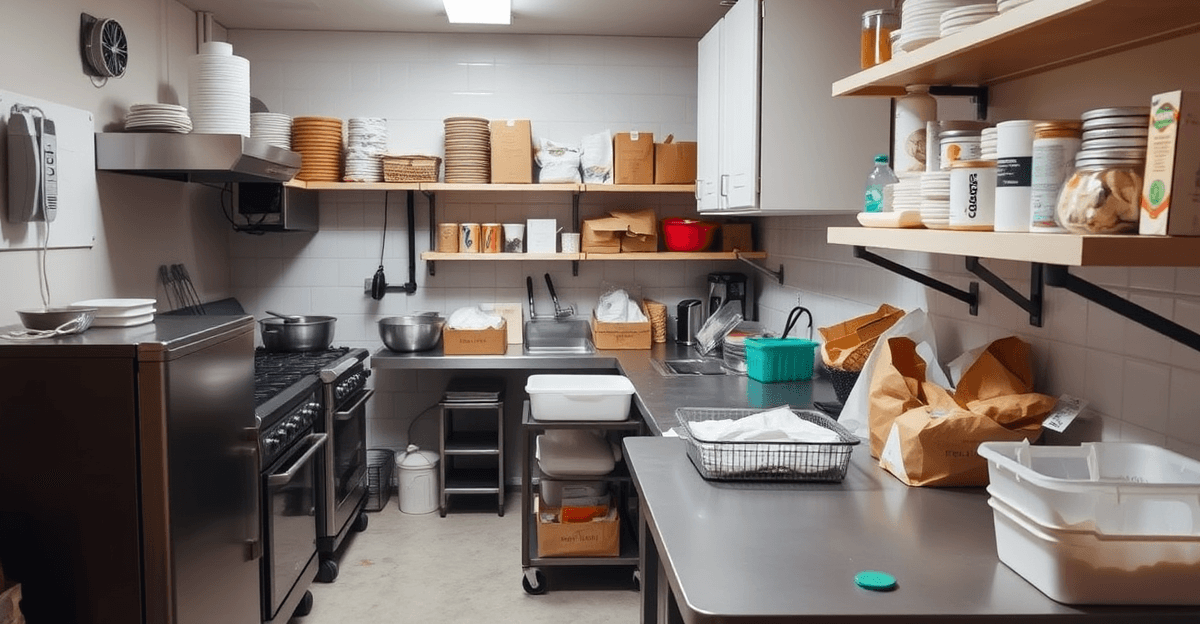
Starting a food business in Singapore doesn't require a shop lot or commercial rent—thousands of home-based food entrepreneurs run thriving operations from HDB kitchens, building loyal customer bases through quality, authenticity, and personal touch. The key to success in a home-based food business is understanding Singapore's regulations, optimising your small space, and leveraging community networks over marketing budgets.
Whether you're dreaming of launching your own venture or curious about how neighbourhood dessert makers operate, this guide shares practical lessons from running a legitimate, profitable home-based food business in Singapore.
⏱️ Quick Summary: Key Takeaways
- Registration is non-negotiable: Register with SFA, get food handler certification, and maintain EHI-approved hygiene standards
- HDB kitchen costs 60–80% less than renting commercial space, but requires strict cleanliness discipline
- Product type matters: Low-risk foods (desserts, baked goods) face fewer restrictions than high-risk items (cooked meats, seafood)
- Delivery is your bottleneck: Plan self-collection, personal delivery, or delivery partnerships early
- Customer loyalty beats advertising: Word-of-mouth and repeat customers are a home-based business's greatest asset
Getting Your Home-Based Food Business Licensed in Singapore
Running a food business from your HDB kitchen is legal—but only if you follow the rules. The Singapore Food Agency (SFA) oversees all food businesses, and operating without registration can result in fines up to $1,000 or business closure.
What You Need to Do
Register with the Singapore Food Agency (SFA). Visit the SFA website or call them at 6898 5555 to declare your home-based business. You'll provide details about your operation, the food types you produce, and your kitchen setup. For low-risk foods like desserts, the process is straightforward.
Get your Food Handler Certificate. This costs around $40–$100 SGD and takes 4–6 hours of classroom training. It covers food hygiene, temperature control, and contamination prevention. Many training providers offer courses in Hougang and across Singapore—book one before you start selling.
Understand EHI Hygiene Standards. The Environmental Health Institute (EHI) sets guidelines for home-based food operations. Your kitchen must have:
- A separate preparation area for food (not mixed with household cooking)
- Proper storage for raw and cooked ingredients
- Hand-washing facilities with soap and hot water
- A dedicated refrigerator (preferably) for food items
- Pest control measures
Get Your Business License. Register as a sole proprietorship with ACRA (Accounting and Corporate Regulatory Authority) for a one-time fee of around $200. This formalises your business and makes you tax-compliant.
Practical truth: Most home-based food entrepreneurs skip these steps thinking they're unnecessary. Those who do get caught face fines, confiscated stock, and destroyed customer trust. The few hours of registration save years of risk.
Why Product Type Matters: Low-Risk vs. High-Risk Foods
Singapore's SFA classifies foods by risk level. Your choice of product directly affects your regulatory burden and approval timeline.
Low-Risk Foods (Easiest to Operate)
- Baked goods (cookies, bread, cakes)
- Desserts and sweet items (like handmade traditional sweet potato balls delivered fresh from our Hougang home kitchen)
- Jams, sauces, and preserved items
- Dried goods and snacks
- Coffee, tea, and beverages (non-alcoholic)
Low-risk foods typically require only basic registration and food handler certification. They're the sweet spot for HDB kitchen operations because you don't need expensive equipment or constant temperature monitoring.
High-Risk Foods (Much Harder)
- Cooked meat dishes
- Ready-to-eat seafood
- Dairy-based products requiring refrigeration
- Canned goods requiring special processing
High-risk foods demand commercial kitchen certification, more frequent inspections, and temperature-controlled storage—essentially impossible from an HDB kitchen.
Lesson: Choose your product based on what your home kitchen can legally support. Desserts, baked goods, and preserved items are the reason many home-based food businesses thrive in Singapore.
Setting Up Your HDB Kitchen: Space, Equipment, and Workflow
Your HDB kitchen is your factory. Unlike a hawker stall where you work in tight quarters, your home kitchen must balance commercial production with maintaining a liveable space.
The Reality of HDB Space
Most HDB kitchens are 2–3 metres wide with limited countertop space. You'll need to:
- Designate a food prep zone separate from daily cooking. Use a dedicated cutting board, utensils, and storage area.
- Invest in vertical storage. Wall-mounted shelves and stackable containers maximize space without crowding your family's eating area.
- Get a second refrigerator if possible. Many home-based dessert makers use a compact second fridge purely for business ingredients to avoid contamination and confusion.
- Establish a cleaning routine. After every production session, sanitise surfaces with diluted bleach or commercial sanitiser. This isn't optional—it's your legal requirement and quality standard.
Essential Equipment Under $1,500 SGD
- Stainless steel mixing bowls (3–5 sizes): $80–$150
- Steamer pot or bamboo steamers: $40–$100
- Weighing scale (digital, for precise portions): $30–$60
- Food-grade storage containers (20–30 pieces): $100–$200
- Packaging materials (labels, boxes, plastic films): $150–$300
- Thermometer (for temperature checks): $20–$40
- Wooden spoons, ladles, and utensils (food-grade): $50–$100
- Hand sanitiser and cleaning supplies: $50–$100
Pro tip: Start with essentials and reinvest profits into better equipment. Many successful home-based dessert businesses began with under $500 worth of tools.
Managing Production & Delivery From Your Home
The biggest operational challenge isn't making the product—it's delivering it fresh to customers without spoiling or violating food safety rules.
Production Planning
Work backwards from your customer orders. If you sell 50 portions of sweet potato balls weekly, plan production for 2–3 days to ensure freshness. Fresh homemade desserts typically have a 2–5 day shelf life, so timing is critical.
Create a production schedule:
- Monday: Prep ingredients, measure portions, source packaging
- Wednesday: Main production day (make all products)
- Thursday–Friday: Quality checks, packaging, delivery coordination
- Weekend: Self-collection or delivery window
This rhythm prevents your kitchen from becoming a 24/7 work zone and keeps products at peak freshness.
Delivery Logistics: Your Biggest Bottleneck
Home-based businesses can't rely on commercial delivery infrastructure. Instead, you have three main options:
1. Self-Collection (Most Popular)
- Customers pick up from your HDB block at scheduled times (e.g., Saturday 2–5pm)
- Zero delivery cost, maximum freshness, direct customer feedback
- Downside: Limits your customer base to nearby locations
2. Personal Delivery (Community-Based)
- You deliver to customers within walking distance or short drives (Hougang, neighbouring estates)
- Builds personal relationships and encourages repeat orders
- Requires time investment but deepens customer loyalty
3. Delivery Partner Arrangements
- Partner with local delivery riders (often freelancers) for $2–$5 per order
- Use delivery apps if you're registered, but rates typically cut 20–30% from your profit
- Requires careful packaging to prevent product damage during transit
Real insight: Most successful home-based dessert businesses combine self-collection (70%) with personal delivery for valued repeat customers (30%). This model maximizes freshness, profit margins, and personal connection.
For wider reach and bulk orders, check how-to-order-sweet-potato-balls-singapore for practical ordering solutions tailored to home-based delivery.
Pricing Your Product: Covering Costs Without Overpricing
Home-based businesses have lower overhead than shop-based competitors, so you can price more competitively while maintaining healthy margins.
Cost Breakdown Example (Per Serving)
For handmade sweet potato balls in green bean soup:
- Ingredients (sweet potato, green beans, sugar): $0.80–$1.20
- Packaging (container, label, spoon): $0.30–$0.50
- Gas/electricity: $0.10–$0.20
- Total cost per serving: $1.20–$1.90
Retail price: $3.50–$4.50 per serving (profit margin: 45–70%)
Compare this to a hawker stall paying $800–$2,000 monthly rent—your home-based margins are significantly healthier.
Pricing Strategy
- Know your competitor prices: Check local dessert shops, hawker stalls, and delivery apps. Position yourself as premium-but-affordable ($3–$5 range is sweet spot for handmade desserts in Singapore).
- Factor in your time: Even if you're running this part-time, value your labour. Handmade products warrant higher prices than mass-produced alternatives.
- Offer bundle deals: Encourage larger orders (e.g., $15 for 4 servings instead of $4 each) to increase average order value.
- Test and adjust: Start with your estimated price and adjust based on demand. If you're selling out weekly, you're underpriced.
Building Customer Loyalty: The Home-Based Advantage
Large commercial operations compete on scale and advertising. Home-based businesses win on authenticity, personal touch, and reliability.
How to Build a Loyal Customer Base
1. Consistency is Everything
Deliver the same taste and texture every time. Customers ordering from your home kitchen expect reliability more than fancy marketing. If your sweet potato balls are soft and chewy on Monday, they must be exactly the same on Friday.
2. Leverage Personal Storytelling
Share your story—why you started this business, family recipes, the care you put into handmade products. Singapore's food culture values tradition and family. People buy from your home kitchen because it's homemade, not despite it.
3. Build a Repeat Customer Base
- Offer a loyalty scheme (every 5 purchases = 1 free)
- Remember customer preferences and names
- Send WhatsApp reminders for seasonal products or special batches
- Ask for feedback and visibly improve
4. Use WhatsApp as Your Main Platform
Most Singapore home-based food businesses operate through WhatsApp groups or broadcast lists. It's free, personal, and allows direct customer communication without algorithm interference. Send weekly availability updates, customer testimonials, and photos of fresh batches.
5. Encourage Word-of-Mouth
The best marketing is a satisfied customer telling their friend. Offer small discounts for referrals. Include a thank-you note with each order. Make it easy to recommend you.
Alternatively, explore gift options if you're looking to expand—check out best-food-gifts-singapore-occasions to understand how homemade desserts fit into Singapore's gifting culture.
Staying Compliant: Regular Checks and Record Keeping
Running a legitimate home-based business means maintaining standards even when inspectors aren't watching.
What You Must Document
- Production logs: Date, batch size, ingredients used, storage conditions
- Customer orders: Names, amounts, delivery dates (for traceability if issues arise)
- Cleaning schedules: Daily sanitisation records of your kitchen
- Food handler certificate: Keep current (typically valid for 3 years)
- Receipts for ingredients: Proves where your food comes from
The SFA conducts surprise inspections for home-based food businesses. If inspectors find contamination, improper storage, or unlicensed operation, they can:
- Issue warnings and fines ($1,000–$10,000)
- Confiscate all stock
- Suspend your business license
- Damage your reputation permanently
The lesson: Compliance isn't a box to tick—it's how you protect your business and customers.
The Financial Reality: Profitability Timeline
Most home-based food businesses break even within 3–6 months and turn profitable by month 6–9.
Sample Monthly Projection (Year 1)
Month 1–2 (Setup Phase)
- Revenue: $300–$500 (friends and family orders)
- Costs: $800+ (registration, equipment, initial ingredients)
- Profit: -$500 to -$300 (expected investment phase)
Month 3–4 (Growth Phase)
- Revenue: $800–$1,500 (word-of-mouth spreading)
- Costs: $300–$500 (ingredients, packaging, minimal overheads)
- Profit: $300–$1,000
Month 6+ (Sustainable Phase)
- Revenue: $2,000–$5,000 monthly (20–50 regular customers)
- Costs: $600–$1,000 (ingredients, packaging, utilities)
- Profit: $1,000–$4,000 monthly
These figures are realistic for a part-time dessert business serving 20–50 customers weekly. Full-time operations can double or triple these numbers.
Critical truth: Home-based businesses are profitable because your rent is $0. Your biggest cost is ingredients and packaging. This is why home-based food entrepreneurship is accessible to Singaporeans with limited capital.
Common Mistakes to Avoid
- Skipping registration "because it's small": This is the #1 mistake. Get licensed from day one.
- Using shared kitchen equipment: Keep business and household items separate to avoid contamination claims.
- Overcommitting on delivery: Start with self-collection only. Expand delivery capacity as you grow.
- Ignoring food safety for speed: A food poisoning incident destroys your reputation permanently. Invest in proper storage and hygiene.
- Underpricing to compete: You're not competing on price—you're competing on quality and authenticity. Price accordingly.
- Neglecting packaging quality: Homemade doesn't mean unprofessional. Invest in good containers and labels that reflect your care.
What's Next? Scaling Your Home-Based Business
If your home-based dessert business reaches $5,000+ monthly revenue and demand consistently outpaces supply, it's time to consider scaling.
Options for Growth
- Rent a commercial kitchen: Share a licensed kitchen with other food businesses ($300–$800 monthly) to increase production capacity.
- Move to a coffee shop or hawker stall: Partner with an existing business to reach more customers.
- Online platform presence: Build a simple website or join food delivery platforms once you have consistent capacity.
- Wholesale to shops or offices: Sell in bulk to cafes, offices, or retail partners for steady recurring revenue.
But here's the honest part: Not every home-based business should scale. Many operators prefer staying small, serving 30–50 loyal customers, and keeping the operation manageable. That's perfectly valid and often more profitable per hour than running a larger commercial kitchen.
Final Thoughts: Why Home-Based Businesses Thrive in Singapore
Singapore's food culture celebrates handmade, traditional items. People seek out home-based dessert makers not despite the small scale, but because of it. When you're delivering handmade traditional sweet potato balls fresh from your Hougang home kitchen, you're offering something that commercial operations can't replicate: authenticity, care, and community connection.
The regulatory framework exists to protect consumers and public health—not to stop you. By embracing compliance from day one, you're not jumping through bureaucratic hoops; you're building a trustworthy, sustainable business that can thrive for decades.
Start small, stay consistent, listen to your customers, and reinvest profits into quality. That's the formula for home-based food business success in Singapore.
Related Reading
Want to explore how sweet potato desserts fit into Singapore's food landscape? Check out sweet-potato-balls-vs-tang-yuan-whats-the-difference to understand what sets traditional sweet potato balls apart.
Looking for gift ideas or seasonal opportunities? Chinese New Year Desserts Singapore: 12 Traditional Sweets and What They Symbolise (2026 Guide) explores how homemade desserts fit into Singapore's festive traditions.
For more business tips and food industry insights, check WhyNotDeals for the latest food business resources and deals available to Singapore entrepreneurs.
Sources
- SFA — Home-Based Food Business
- ACRA — Accounting and Corporate Regulatory Authority
- Enterprise Singapore
Have questions about starting your own home-based food business? Drop us a message on WhatsApp—we're always happy to share lessons from running Ah Ma QQ Bowl in Hougang.
Craving sweet potato balls?
Ah Ma's handmade taro sweet potato balls in green bean soup — soft, chewy, naturally gluten-free, no preservatives. Made fresh in our Hougang kitchen.
Frequently Asked Questions
Yes, you can operate a home-based food business from an HDB kitchen, but you must register with the Singapore Food Agency (SFA) and comply with the Environmental Health Institute (EHI) guidelines. Low-risk foods like desserts, baked goods, and preserved items are generally permitted. You'll need food handler certification and must maintain strict hygiene standards. Many home-based dessert businesses in Singapore operate successfully under these regulations.
Initial costs typically range from $800–$3,000 SGD depending on your scale. Budget for food handler certification ($40–$100), basic equipment (mixing bowls, steamers, packaging, $300–$800), ingredient stock ($200–$400), and packaging materials ($200–$500). Unlike renting a commercial kitchen or stall, running from your HDB kitchen significantly reduces overhead. Many successful dessert businesses start lean and reinvest profits into better equipment.
Popular delivery methods include self-collection (customers pick up from your HDB block), personal delivery within Hougang or nearby areas, and using delivery apps like Grab Food or Foodpanda if you're registered. Many home-based businesses prefer self-collection to maintain product freshness and control costs. For wider reach, partner with local delivery riders or use WhatsApp/Telegram for order coordination. Always pack securely to maintain food quality during transit.
Craving these? Order fresh from our Hougang kitchen
Soft, chewy sweet potato balls in warm green bean soup — handmade with real taro and green beans, no preservatives. Order online for delivery across Singapore.
Order NowRelated Articles
How to Start a Home-Based Food Business in Singapore (2026 Guide)
Learn how to launch a home-based food business in Singapore legally. Complete guide covering licenses, kitchen setup, costs & local regulations for 2026.
Handling Customer Complaints in Food Business
Handling customer complaints in food business the right way: a warm, practical Singapore guide for home kitchens and dessert sellers on turning unhappy customers into loyal fans.
Customer Retention for Singapore Food Businesses
Customer retention for Singapore food businesses is the secret to steady sales. Learn practical loyalty, delivery & personalisation tactics from a Hougang home kitchen.