
Sweet Potato Balls vs Tang Yuan: What Is the Difference?
Sweet potato balls and tang yuan are often confused, but they are completely different desserts. Learn what sets them apart — ingredients, texture, taste, and how they are served.
Ah Ma QQ Bowl
Published 26 April 2026
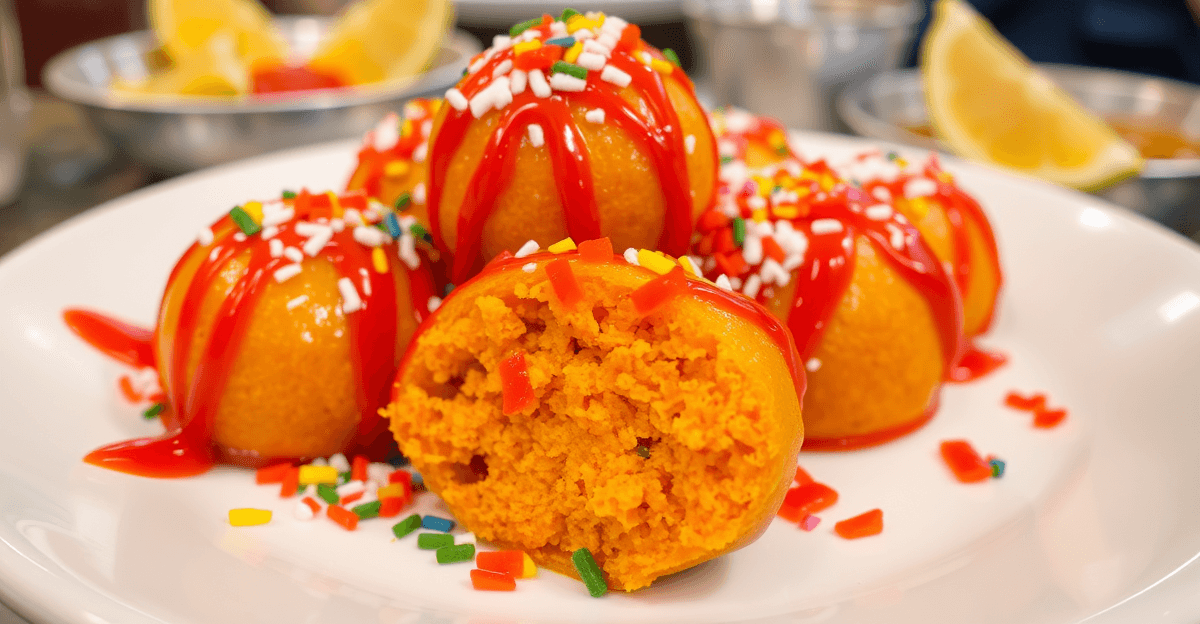
We get this question at almost every bazaar we attend. Someone picks up a sample, takes a bite, and says: "Oh, these are tang yuan, right?" And then we have to do the whole explanation. It happens so often that we made this guide just so we can send people a link instead of repeating ourselves.
They are not tang yuan. They look similar from across the table — small, round, colourful, sitting in soup — but the moment you bite into one, the difference is obvious.
TL;DR: Sweet potato balls and tang yuan look similar but are completely different desserts — different ingredients, texture, taste, and cultural context.
Sweet Potato Balls: What They Are
Made from real sweet potato and taro, mashed and combined with tapioca flour. That tapioca flour is what gives them the signature chewy, bouncy texture — what we call "QQ."
Key traits:
- Made from real vegetables — orange from sweet potato, purple from taro
- Bound with tapioca flour for a springy bite
- No filling inside — the flavour is the vegetable itself
- Naturally gluten-free (tapioca flour comes from cassava)
- Served in green bean soup, ginger syrup, or soy milk
- Lighter and less sweet than most filled desserts
At Ah Ma QQ Bowl, ours are handmade using real sweet potato, taro, and tapioca flour. Nothing artificial.
Tang Yuan: What They Are
Glutinous rice flour balls — a traditional Chinese dessert most associated with the Lantern Festival and Winter Solstice. The name literally means "soup rounds."
Key traits:
- Made from glutinous rice flour (sticky rice flour)
- Often filled with black sesame paste, peanut paste, or red bean
- Soft, sticky, mochi-like — a different texture from QQ
- Served in ginger or pandan syrup, or sugar water
- Strongly tied to Chinese festivals, especially Dong Zhi and Yuan Xiao
Where They Differ
Ingredients
This is the fundamental one. Sweet potato balls use real vegetables with tapioca flour as the binder. Tang yuan use glutinous rice flour. No vegetable content.
Sweet potato balls get their natural colour from the vegetables — orange, purple. Tang yuan are typically white or take on food colouring.
Texture
Sweet potato balls are QQ — bouncy, springy, chewy but not sticky. They spring back when you bite.
Tang yuan are soft and mochi-like sticky. Filled versions have a contrasting burst of paste inside. Denser, more adhesive.
This is the difference people notice first. Once you have had both, you will never confuse them again.
Flavour
Sweet potato balls taste like what they are — earthy, mildly sweet, natural.
Tang yuan get most of their flavour from the filling. Unfilled tang yuan are relatively bland on their own and rely on their soup.
How They Are Served
Sweet potato balls: green bean soup, ginger syrup, soy milk, shaved ice. In Singapore, the green bean soup pairing is most traditional.
Tang yuan: sweet ginger-pandan syrup, rock sugar water, or sometimes fermented rice wine soup.
Cultural Context
Tang yuan carry deep cultural significance. Eating them during Dong Zhi symbolises family reunion and togetherness — the round shape represents completeness.
Sweet potato balls are more everyday. Comfort food you eat because it tastes good, not because the calendar says so. No specific festival, no ceremony. Just genuinely satisfying food.
So Which Should You Try?
Both are excellent. No need to choose. But if you are deciding:
Go with sweet potato balls if you:
- Prefer lighter, less sweet desserts
- Need something gluten-free
- Enjoy real sweet potato and taro flavours
- Like a bouncy QQ texture
- Want comfort food for any day
Go with tang yuan if you:
- Love rich, filled desserts
- Enjoy sticky, mochi textures
- Are celebrating a Chinese festival
- Want something more indulgent
Where to Get Sweet Potato Balls
At Ah Ma QQ Bowl, we make handmade sweet potato balls in slow-cooked green bean soup. Real sweet potato, taro, mung beans, tapioca flour, rock sugar, pandan leaf. No artificial ingredients.
Frozen packs with next-day delivery across Singapore, plus self-collection from our Hougang kitchen.
Order online at ahmaqqbowl.com or WhatsApp us at +65 9788 4284.
Sources
Craving sweet potato balls?
Ah Ma's handmade taro sweet potato balls in green bean soup — soft, chewy, naturally gluten-free, no preservatives. Made fresh in our Hougang kitchen.
Frequently Asked Questions
No. Sweet potato balls are made from real sweet potato and taro mixed with tapioca flour, giving them a chewy QQ texture. Tang yuan are made from glutinous rice flour and are typically filled with sesame, peanut, or red bean paste. They are different desserts with different ingredients, textures, and flavours.
Sweet potato balls are generally lighter because they use real vegetables (sweet potato and taro) as the base, with tapioca flour for binding. They contain no added fillings. Tang yuan, especially filled varieties, contain more sugar and fat from fillings like sesame paste or peanut paste. Sweet potato balls from Ah Ma QQ Bowl are also naturally gluten-free.
Yes. Ah Ma QQ Bowl makes handmade sweet potato balls served in green bean soup, available for delivery across Singapore and self-collection from Hougang. Order online at ahmaqqbowl.com.
QQ is a Taiwanese/Chinese slang term describing a pleasantly chewy, bouncy texture in food. Sweet potato balls have a distinctive QQ bite that comes from tapioca flour — soft and springy, not sticky like glutinous rice.
Craving these? Order fresh from our Hougang kitchen
Soft, chewy sweet potato balls in warm green bean soup — handmade with real taro and green beans, no preservatives. Order online for delivery across Singapore.
Order NowRelated Articles
Sweet Potato Balls Singapore: The Complete Guide to This Beloved Dessert
Everything you need to know about sweet potato balls in Singapore — what they are, how they are made, where to order, flavours available, and why they are different from tang yuan.
Gut Health and Traditional Desserts That Help Digestion
Discover gut health desserts in Singapore — from green bean soup to sweet potato balls. Traditional treats that soothe digestion, made fresh in Hougang.
Antioxidants in Traditional Singapore Desserts
Discover the antioxidants in traditional Singapore desserts — from sweet potato balls to green bean soup. A warm, science-backed guide for local dessert lovers.