
Why Traditional Singaporean Desserts Are Disappearing — And Why It Matters
Traditional Singaporean desserts like sweet potato balls, kueh, and tau huay are vanishing from hawker centres. Explore why these beloved treats are at risk and what is being done to preserve them.
Ah Ma QQ Bowl
Published 15 April 2026
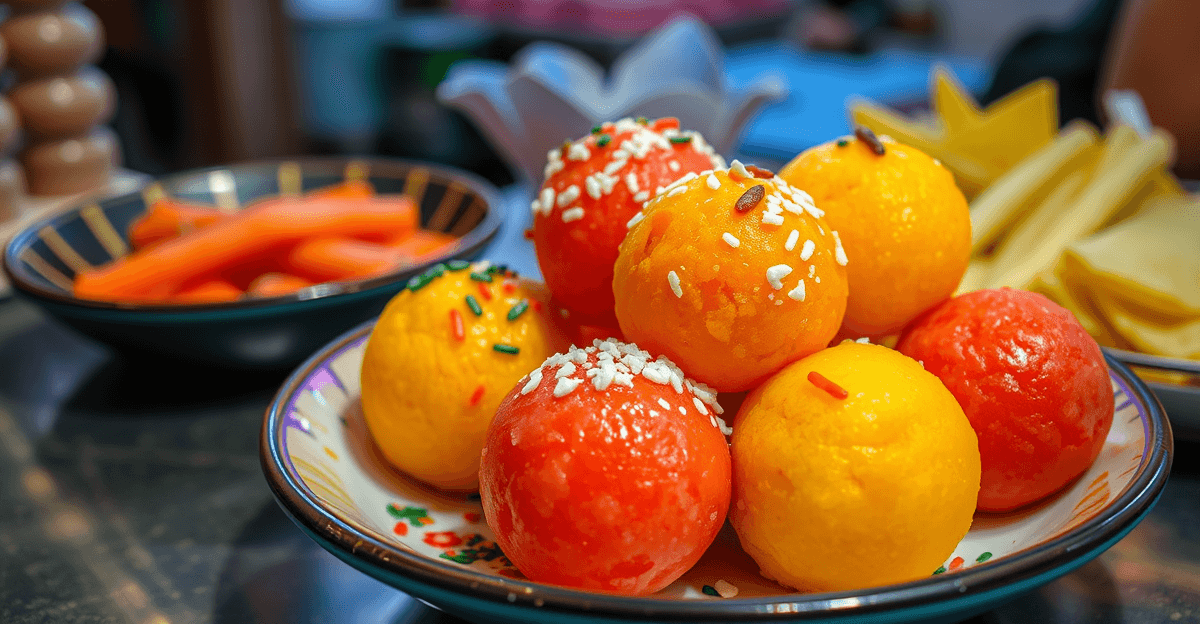
Walk through any hawker centre in Singapore today and count the dessert stalls. Chances are, you will find far fewer than you remember from your childhood. The stalls selling tau huay, cheng tng, peanut soup, and sweet potato balls — the ones where an elderly uncle or auntie served up bowls of warm, homemade comfort — are quietly disappearing.
TL;DR: Traditional Singaporean desserts like sweet potato balls, kueh, and tau huay are vanishing from hawker centres. Explore why these beloved treats are at risk and what is being done to preserve them.
This is not just nostalgia talking. The numbers are real. Across Singapore, traditional dessert hawkers are retiring, closing shop, and taking their recipes with them. And unlike other hawker trades, very few younger Singaporeans are stepping in to take their place.
What Is Disappearing
The traditional Singaporean dessert landscape encompasses a rich variety of treats, many of which have roots going back generations:
Handmade Sweet Potato Balls
Sweet potato and taro balls, hand-rolled and served in green bean soup or ginger syrup, are among the most labour-intensive traditional desserts. Each ball must be individually shaped from dough made with freshly steamed sweet potato and tapioca flour. A single batch requires hours of preparation for what sells at a few dollars per bowl.
Traditional Tau Huay
Real tau huay — soft, silky soybean curd made from scratch using whole soybeans, not powder — is becoming increasingly rare. The process involves soaking, grinding, boiling, and coagulating soybeans, often starting before dawn.
Handmade Kueh
Traditional kueh (steamed cakes) like kueh lapis, ang ku kueh, and kueh dadar require specialised skills and equipment. The layered process for kueh lapis alone can take half a day. Few young cooks are willing to invest this time for the modest returns of hawker centre pricing.
Cheng Tng with Proper Ingredients
Authentic cheng tng uses individual ingredients — dried longan, lotus seeds, barley, white fungus, ginkgo nuts — each requiring separate preparation. Many modern stalls use pre-mixed commercial packets, which are faster but taste distinctly different.
Why These Desserts Are Disappearing
The decline of traditional desserts is not caused by any single factor. It is a convergence of economic, social, and cultural pressures.
1. Ageing Hawkers Without Successors
The most immediate cause is generational. Many traditional dessert hawkers are in their 60s, 70s, or older. Their children and grandchildren have pursued other careers — often in professional services, technology, or corporate roles that offer higher incomes and more predictable working conditions.
When these hawkers retire, their stalls close. And with them goes decades of accumulated skill — the intuitive knowledge of how much tapioca flour to use, how to judge the right consistency of mung bean soup by sight, how to shape sweet potato balls with the perfect texture.
This knowledge is almost entirely tacit — it lives in the hands and instincts of the maker, not in written recipes. Books can record ingredient lists, but they cannot capture the feel of dough at the right hydration level.
2. Economics Do Not Work
Traditional desserts are low-margin products. A bowl of green bean soup with sweet potato balls might sell for $2-3 at a hawker centre. Factor in ingredients, stall rental, utilities, and the hours of labour required, and the economics are brutal.
Compare this to a drink stall (high margins, fast turnover, minimal preparation) or a Western food stall (higher price points, less labour per serving), and it becomes clear why traditional desserts struggle commercially.
Rent increases have made this worse. As hawker centre renewals bring higher rents, low-margin stalls are the first to become unviable.
3. Labour Intensity
Making sweet potato balls from scratch is genuinely hard work. The sweet potatoes must be steamed, mashed, mixed with flour, and rolled into individual balls — by hand. Green bean soup requires hours of slow cooking. Every step is manual.
In a modern food economy where efficiency drives profitability, this level of manual labour is difficult to sustain. Mechanisation is theoretically possible but changes the character of the product. Machine-formed balls have a different texture from hand-rolled ones.
4. Changing Consumer Preferences
Younger Singaporeans have grown up with a wider range of dessert options — bubble tea, artisan gelato, Japanese cheesecake, Korean bingsu. These options are heavily marketed, visually appealing, and aligned with social media culture.
Traditional desserts, by contrast, are visually modest. A bowl of green bean soup does not photograph as well as a matcha lava cake. In an era where "Instagrammability" drives foot traffic, this is a real disadvantage.
5. Knowledge Not Being Transferred
Perhaps most concerning is the knowledge gap. Traditional dessert-making is a skill that takes years to develop. It is not something you can learn from a YouTube video or a recipe book. The nuances — the right ratio of flour to potato, the correct cooking temperature, the way to judge doneness — come from experience.
When an ageing hawker retires without having trained a successor, this knowledge is simply lost. It cannot be recovered from recordings or recipes. The specific combination of tacit skill and family tradition that produces genuinely good traditional desserts is irreplaceable once gone.
Why It Matters
Some might argue that food cultures naturally evolve, and the disappearance of traditional desserts is simply progress. This view misses several important points.
Cultural Identity
Food is one of the most tangible expressions of cultural identity. Singapore's food heritage — recognised by UNESCO in 2020 when hawker culture was inscribed on the Representative List of the Intangible Cultural Heritage of Humanity — is central to what makes Singapore unique.
Losing traditional desserts means losing a piece of that identity. The recipes, techniques, and stories behind these foods connect present-day Singaporeans to their grandparents' and great-grandparents' cultures.
Community and Memory
Traditional desserts serve a social function beyond nutrition. They are the foods of festivals, family gatherings, and comfort. Sweet potato balls during Dong Zhi. Kueh for Chinese New Year. Cheng tng during hot afternoons.
These foods carry emotional significance. When they disappear from public life, the communal rituals associated with them weaken too.
Culinary Diversity
A food culture that loses its traditional desserts becomes narrower. The flavour profiles of traditional Singaporean desserts — the gentle sweetness of rock sugar, the earthiness of mung beans, the subtle fragrance of pandan — are distinctly different from Western pastry traditions. Losing them reduces the overall richness of Singapore's culinary landscape.
What Is Being Done
The situation is not hopeless. Several developments offer reason for cautious optimism.
Government Support
The Singapore government has launched various schemes to encourage hawker culture preservation, including grants for young hawkers, subsidised stall rentals for newcomers, and mentorship programmes pairing retiring hawkers with younger aspirants.
Small-Scale Producers
A growing number of small-scale producers — including home-based food businesses registered under the SFA scheme — are keeping traditional recipes alive. These producers often combine traditional methods with modern distribution (online ordering, delivery) to reach customers more efficiently.
At Ah Ma QQ Bowl, this is exactly our approach. We make sweet potato balls using Ah Ma's traditional recipe — hand-rolled, using real sweet potato and taro — but sell them online with next-day delivery across Singapore. The recipe is traditional; the distribution is modern.
Documentation Efforts
Food writers, heritage organisations, and cultural institutions are working to document traditional recipes and techniques before they are lost. While documentation alone cannot replace hands-on skill transfer, it at least creates a reference point for future revival efforts.
Consumer Awareness
There is a growing awareness among Singaporeans about the value of their food heritage. Social media, ironically, has helped here — posts celebrating traditional foods and lamenting the closure of beloved hawker stalls generate significant engagement and draw attention to the issue.
What You Can Do
If you value traditional Singaporean desserts and want to see them survive, the most effective action is simple: buy them.
- Choose traditional desserts when you have the option — a bowl of green bean soup instead of another bubble tea
- Order from small producers who make traditional recipes by hand
- Tell your friends and family about producers who are keeping these traditions alive
- Visit hawker stalls that still offer handmade traditional desserts — your patronage helps keep them open
- Share the stories behind the food — cultural preservation starts with awareness
Every purchase from a traditional dessert maker is a vote for the survival of Singapore's dessert heritage. It is a small act, but collectively, these acts determine whether the next generation of Singaporeans will grow up knowing the taste of handmade sweet potato balls — or only hearing about them.
Keeping the Tradition Alive
At Ah Ma QQ Bowl, we started with a simple goal: to make sure Ah Ma's recipe does not disappear. The sweet potato balls she has been making for decades — hand-rolled, using real taro and sweet potato, served in slow-cooked green bean soup — deserve to be tasted by more people.
We believe traditional desserts can thrive in modern Singapore. Not by diluting them or making them trendy, but by making them accessible. Online ordering, island-wide delivery, and individually portioned packaging make it possible for anyone in Singapore to enjoy a genuinely traditional dessert without leaving home.
If you have not tried handmade sweet potato balls in green bean soup, or if it has been a while since your last bowl, give us a try. We think Ah Ma's recipe speaks for itself.
Sources
Looking for more? Check out find more food deals on WhyNotDeals.
Craving sweet potato balls?
Ah Ma's handmade taro sweet potato balls in green bean soup — soft, chewy, naturally gluten-free, no preservatives. Made fresh in our Hougang kitchen.
Frequently Asked Questions
Several factors contribute: ageing hawkers retiring without successors, high rents making low-margin dessert stalls unviable, long preparation times that do not translate to volume sales, changing consumer preferences toward Western-style desserts, and the labour-intensive nature of handmade traditional desserts. Young Singaporeans often choose careers outside the F&B industry.
Desserts most at risk include handmade sweet potato balls, traditional tau huay (soy bean curd), hand-pressed kueh, cheng tng with proper slow-cooked ingredients, muah chee, and peanut soup with hand-ground peanuts. These require significant manual skill and time, making them commercially challenging at hawker centre price points.
Efforts include the UNESCO recognition of Singapore's hawker culture, government grants for young hawkers, food heritage documentation projects, and a growing movement of small businesses and home-based kitchens (like Ah Ma QQ Bowl) keeping traditional recipes alive. Technology also plays a role — online ordering and delivery make it possible for small producers to reach customers directly.
Yes, though options are shrinking. Some hawker centres still have traditional dessert stalls, and a growing number of online businesses specialise in traditional desserts. Ah Ma QQ Bowl, for example, makes handmade sweet potato balls in green bean soup and delivers across Singapore. Search online for home-based food businesses (registered under the SFA home-based food business scheme) for authentic traditional desserts.
The most impactful way is simply to buy from them regularly. Choose traditional desserts over mass-produced alternatives, order from small producers and home kitchens, share their businesses with friends and family, and visit hawker stalls that still offer handmade traditional desserts. Every purchase helps keep these recipes alive.
Craving these? Order fresh from our Hougang kitchen
Soft, chewy sweet potato balls in warm green bean soup — handmade with real taro and green beans, no preservatives. Order online for delivery across Singapore.
Order NowRelated Articles
Malay Dessert Traditions in Singapore: Kuih Culture
Explore Malay dessert traditions in Singapore — the colours, flavours and history of kuih culture, plus how these sweet treats fit into modern hawker and home life.
Office Party Desserts Singapore: 9 Potluck Picks (2026)
Planning office party desserts in Singapore? 9 potluck-proof picks — sweet potato balls, kueh lapis, cheng tng — that travel well and get finished first.
Desserts for Chinese Wedding Banquets
Planning desserts for Chinese wedding banquets in Singapore? Discover meaningful sweet dishes, symbolism, portions and home-kitchen delivery ideas for your big day.