
Wedding Dessert Table Ideas: Adding Traditional Singapore Sweets
Elevate your Singapore wedding dessert table with traditional sweets. Discover how to blend nostalgic local flavours with modern dessert styling for unforgettable celebrations.
Ah Ma QQ Bowl
Published 31 May 2026
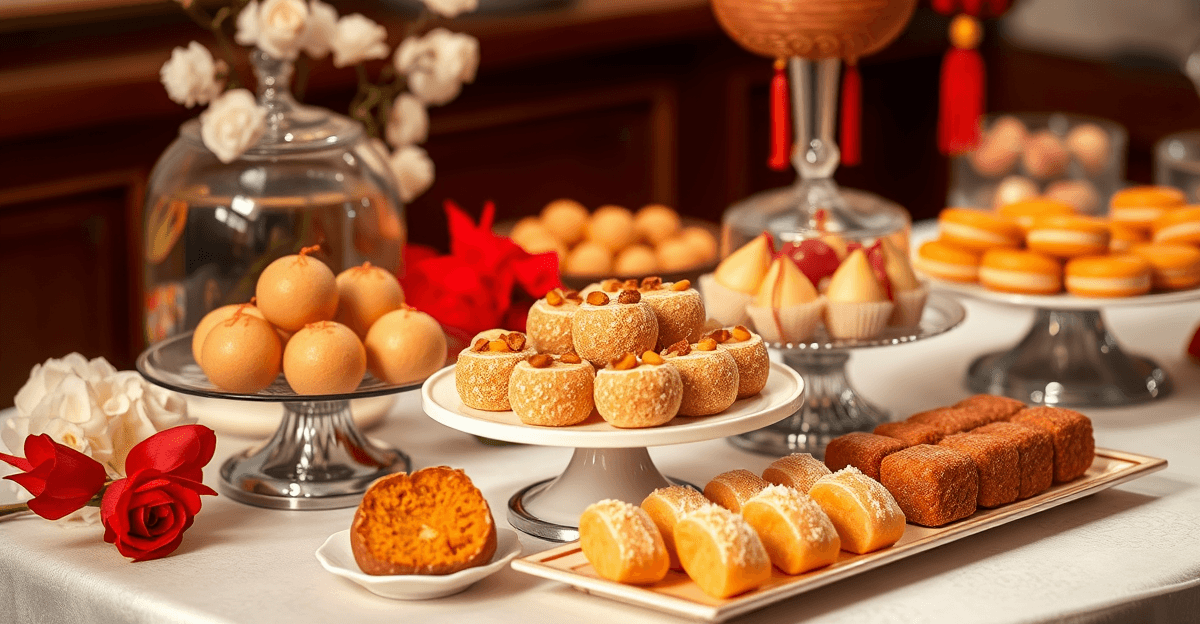
We've had a few couples order our sweet potato balls for their wedding dessert tables, and honestly, the reaction from their guests is always the same — surprise, then nostalgia, then "wah, where did you get these?" Planning a wedding in Singapore means you have this wonderful chance to celebrate both modern style and deep cultural roots. While Pinterest is full of macaron towers and fondant cakes, there's something genuinely special about weaving traditional Singapore sweets into your reception.
TL;DR: Elevate your Singapore wedding dessert table with traditional sweets. Discover how to blend nostalgic local flavours with modern dessert styling for unforgettable celebrations.
This guide shares how to design a wedding dessert table that honours Singapore's rich culinary traditions while still looking absolutely stunning. Because traditional doesn't have to mean old-fashioned.
Why Traditional Singapore Sweets Matter for Your Wedding
Singapore's dessert culture is a living archive of our multicultural identity. From Peranakan kuih to Hokkien treats, each sweet carries generations of family recipes and cultural significance. When you feature these on your wedding dessert table, you're not simply serving food—you're creating a tactile connection to family memories and inviting guests into your heritage.
For many Singaporeans, a spoonful of familiar dessert at a wedding triggers genuine emotional responses. Your parents' generation might tear up tasting a childhood favourite. Younger guests discover flavours their grandparents cherish. This authenticity resonates far more deeply than imported French patisserie alone ever could.
Moreover, traditional sweets suit Singapore's climate beautifully. Our humid tropical weather means cooling desserts like green bean soup with soft, chewy sweet potato balls provide genuine refreshment—a practical elegance that makes sense for an outdoor garden reception or a ballroom reception in peak afternoon heat.
Building Your Traditional Dessert Table
Start with Cooling Soups as Your Foundation
Green bean soup (绿豆汤) deserves pride of place on your dessert table. This iconic Singaporean comfort drink, served ice-cold, is the perfect palate cleanser and requires minimal plating effort. The subtle sweetness and cooling properties make it ideal for guests between heavier desserts.
Serve it in elegant glassware—crystal coupes or tall glasses with ice—rather than traditional plastic bowls. Add fresh mint leaves or a thin slice of ginger for visual appeal. This single element immediately signals that your dessert table celebrates heritage thoughtfully.
The beauty of green bean soup is its versatility. Offer it plain, or pair it with add-ins: handmade traditional sweet potato balls delivered fresh from our Hougang home kitchen offer that signature soft, chewy QQ texture that makes this combination genuinely craveable. Unlike fried versions, these are boiled until tender, making them lighter and perfect for warm weather celebrations.
Complement with Nostalgic Kuih Selection
Choose 3-4 traditional kuih varieties rather than attempting a comprehensive selection. This editorial curation demonstrates thoughtfulness and prevents your table from feeling cluttered.
Popular wedding-appropriate kuih choices include:
- Kuih Lapis: The geometric layers of these traditional cake-like treats look stunning on dessert tables, especially when stacked on tiered stands. Their bright greens and pinks photograph beautifully.
- Ang Ku Kuih: These red or pink shell-shaped sweets symbolise good fortune and feel particularly appropriate for celebrations. Order from established Hougang or Geylang makers who still handmould them.
- Ondeh-Ondeh: These green glutinous balls with gula melaka centres are Instagram-friendly and light enough to eat after a full meal.
- Pandan Chiffon: Locally-beloved and photogenic, sliced pandan chiffon cake adds height variation to your table.
The Modern Touch: Selective International Elements
Blend, don't replace. Include 2-3 refined international elements to create visual variety and cater to diverse preferences. A dark chocolate truffle, matcha panna cotta, or passion fruit tart alongside your traditional sweets creates a sophisticated rhythm that feels intentional rather than confused.
The key principle: traditional items should occupy 60-70% of your dessert offerings. International elements should feel like thoughtful companions, not the main event.
Styling Your Dessert Table for Maximum Impact
Use Height and Layering
Invest in tiered cake stands, wooden boxes, and varying heights of glassware. Traditional sweets often feature beautiful natural colours—deep greens from green bean soup, pale cream from kuih lapis, golden tones from baked items. These colours pop when arranged at different levels rather than all laid flat.
Create Clear Signage
Hand-written cards (or elegantly printed labels in your wedding font) transform a dessert table into a storytelling experience. Identify each item, and add a brief personal note:
- "Ah Gong's favourite: Ondeh-ondeh from the kopitiam near his childhood home"
- "Iced green bean soup with handmade sweet potato balls—a cooling respite"
- "Pandan chiffon, a wedding day classic"
These small touches elevate the experience from "dessert service" to "curated family celebration."
Incorporate Natural Elements
Singapore's tropical setting invites natural styling. Scatter fresh pandan leaves, mint sprigs, and small citrus fruits around your table. Use banana leaves as table runners beneath your kuih displays—this is authentically local while feeling garden-fresh and contemporary.
Green and gold colour palettes work beautifully with traditional sweets. Avoid overly trendy pastel schemes that might clash with the natural, earthy tones of authentic local desserts.
Sourcing and Logistics: The Practical Reality
Home-Based Businesses vs. Commercial Bakeries
Singapore's best traditional sweets often come from home-based businesses operating from HDB kitchens in neighbourhoods like Hougang, Geylang, and Tiong Bahru. These small-scale makers typically produce superior quality compared to factory-made alternatives, but they require advance planning and direct communication.
Advantages of home-based makers:
- Genuine family recipes, often unchanged for decades
- Fresh production (sometimes daily)
- Flexibility for custom orders
- Significantly lower cost than commercial wedding catering
Important considerations:
- They rarely have formal websites; source them through word-of-mouth, community Facebook groups, or Google Maps reviews
- Lead times matter—many accept orders only 1-2 weeks in advance
- Delivery logistics depend on the individual maker; some offer it, others require pickup
- Budget extra for delivery, especially if coordinating multiple suppliers from different locations
Planning Your Supplier Timeline
3 months before your wedding: Create a shortlist of traditional desserts you want. Begin researching home-based makers through community groups and recommendations.
8-10 weeks before: Contact makers to confirm they accept wedding orders for your date. Discuss quantities, pricing, delivery logistics, and any customisation options.
4-6 weeks before: Finalise orders and payment arrangements. Confirm delivery addresses and timing with your venue.
1-2 weeks before: Confirm final headcount with all suppliers. Coordinate delivery schedules to ensure items arrive fresh and on time.
Budget Considerations
Traditional desserts are remarkably cost-effective compared to Western wedding catering. A generous spread of handmade kuih, fresh green bean soup, and other items typically costs $8-15 per person—less than half the price of comparable boutique dessert catering.
This budget efficiency allows you to allocate resources toward quality presentation elements: elegant glassware, tiered stands, professional signage, and fresh garnishes that make the table feel special without requiring expensive imported items.
Creating Memorable Moments
The dessert table is where your wedding guests linger. They're no longer seated; they're standing, talking, and genuinely relaxed. A traditional sweets table becomes a gathering point for meaningful conversations—guests reconnect over flavours they've known since childhood, parents share memories with their adult children, and the dessert experience becomes emotionally resonant rather than merely functional.
This is where handmade traditional sweet potato balls delivered fresh from our Hougang home kitchen create genuine delight. When a guest tastes that perfect QQ texture—the soft, chewy bite that's neither mushy nor tough—combined with cooling green bean soup on a warm afternoon, they experience something that matters. It's not exotic; it's home.
Final Thoughts: Celebrating What Makes Your Wedding Uniquely Yours
Your wedding is the perfect occasion to honour Singapore's dessert traditions without apology. Modern elegance and cultural authenticity aren't opposing forces—they're complementary elements that, when thoughtfully combined, create celebrations that feel genuinely reflective of who you are.
By building your dessert table around traditional sweets, you're making a meaningful statement: that your roots matter, that your heritage is beautiful, and that your wedding celebration is distinctly, authentically Singaporean. Your guests will remember this thoughtfulness long after the flowers have faded.
Sources
Looking for more? Check out find more food deals on WhyNotDeals.
Craving sweet potato balls?
Ah Ma's handmade taro sweet potato balls in green bean soup — soft, chewy, naturally gluten-free, no preservatives. Made fresh in our Hougang kitchen.
Frequently Asked Questions
Ideally, plan 2-3 months ahead, especially if sourcing from home-based businesses that operate on smaller scales. Singapore's humid climate means fresh desserts like sweet potato balls are best ordered closer to your event date—typically 1-2 weeks before. Confirm availability and delivery logistics with your chosen supplier early, as small kitchens often have limited daily production.
Absolutely. The key is presentation styling rather than changing the sweets themselves. Serve traditional items like sweet potato balls in elegant glass cups with gold spoons, add fresh mint garnish, and display them alongside modern elements like macarons or chocolate truffles. This nostalgic-meets-contemporary approach resonates strongly with Singaporean couples and their guests, creating memorable, culturally meaningful moments.
Sweet potato balls are distinctly different from tang yuan. They're made from sweet potato and tapioca, boiled until soft and chewy with that signature QQ texture, then served in cooling green bean soup—perfect for Singapore's tropical climate. Tang yuan, by contrast, are glutinous rice balls typically served in warm syrup. Sweet potato balls are lighter, more refreshing, and ideal for outdoor wedding receptions.
Craving these? Order fresh from our Hougang kitchen
Soft, chewy sweet potato balls in warm green bean soup — handmade with real taro and green beans, no preservatives. Order online for delivery across Singapore.
Order NowRelated Articles
Desserts for Chinese Wedding Banquets
Planning desserts for Chinese wedding banquets in Singapore? Discover meaningful sweet dishes, symbolism, portions and home-kitchen delivery ideas for your big day.
Dessert Table Ideas for Singapore Parties: Traditional Meets Modern
Discover creative dessert table ideas for Singapore parties that blend traditional treats with modern presentation. From kueh to sweet potato balls, plan the perfect spread.
Chinese Dessert Gift Ideas for Singapore Occasions: Thoughtful Sweet Treats
Discover thoughtful Chinese dessert gift ideas for Singapore occasions — from CNY to birthdays. Traditional sweets that show you care, delivered island-wide.