
Antioxidants in Traditional Singapore Desserts
Discover the antioxidants in traditional Singapore desserts — from sweet potato balls to green bean soup. A warm, science-backed guide for local dessert lovers.
Ah Ma QQ Bowl
Published 25 June 2026
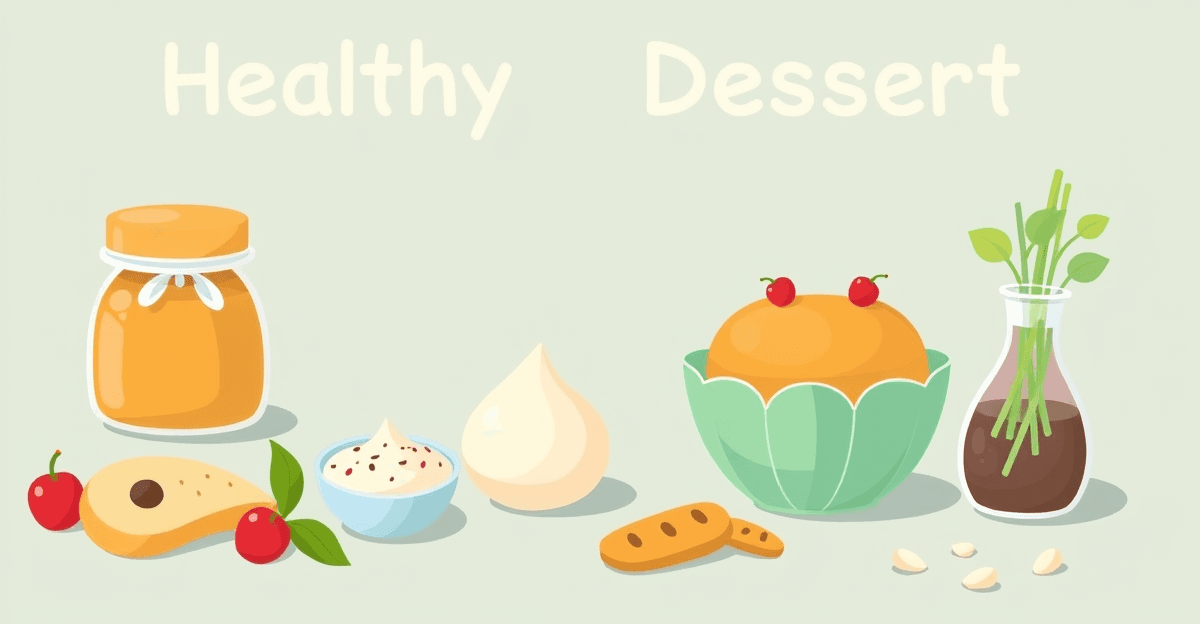
Here's something your Ah Ma probably knew long before the word ever appeared on a supplement bottle: the antioxidants in traditional Singapore desserts are real, and they come from humble, everyday ingredients. That bowl of warm green bean soup, the orange sweet potato simmering on the stove, the scattering of black sesame on top — these aren't just comfort food. They're quietly packed with plant compounds that scientists now study in labs. Let's take a warm, unhurried look at what's actually inside our favourite local sweets.
TL;DR — Key Takeaway
Many traditional Singapore desserts are naturally rich in antioxidants: sweet potato (anthocyanins, beta-carotene), mung/green beans (flavonoids), black sesame (lignans, vitamin E) and red bean (polyphenols). Boiled, lightly-sweetened desserts like sweet potato balls in green bean soup deliver these benefits far better than deep-fried or heavily-sugared options. Portion size and added sugar are what matter most.
What Are Antioxidants, and Why Do They Matter?
Antioxidants are compounds that help protect your body's cells from damage caused by unstable molecules called free radicals. In simple terms, they're the clean-up crew that helps keep cells healthy as we age. The human body makes some on its own, but most come from what we eat — which is exactly where traditional desserts can pull their weight.
The everyday Singaporean diet already gives us plenty of opportunities. According to the Health Promotion Board, adults should aim for at least two servings of fruit and two servings of vegetables daily, and root vegetables like sweet potato count toward that goal. A definitive point worth remembering: a dessert built on real plant ingredients can contribute meaningful nutrition, not just empty sugar. The trick is choosing the right ones — and eating them in the right amount.
Which Antioxidants in Traditional Singapore Desserts Should You Know?
The short answer: sweet potato, mung bean, black sesame, red bean and pandan are the antioxidant heavyweights of the local dessert pantry. Each brings a different family of protective compounds, and most classic desserts cleverly combine several at once. Here's the breakdown.
Sweet Potato — The Quiet Powerhouse
Sweet potato is arguably the most underrated health hero in our dessert culture. Orange sweet potato is exceptionally high in beta-carotene, the same compound that gives carrots their colour and that the body converts into vitamin A. Purple sweet potato, meanwhile, is rich in anthocyanins — the deep-pigment antioxidants also found in blueberries and red cabbage. A single medium sweet potato delivers well over 100% of an adult's daily vitamin A needs, alongside fibre and potassium.
This is exactly why we built our little kitchen around it. Our handmade traditional sweet potato balls, delivered fresh from our Hougang home kitchen, start with real sweet potato mashed and rolled by hand — never powder, never shortcuts. Because they're boiled to that signature soft, chewy "QQ" texture rather than deep-fried, they hold onto far more of the root's natural goodness. If you've ever wondered how they differ from a similar-looking sweet, our guide on sweet potato balls vs tang yuan explains it clearly.
Mung Bean (Green Bean) — Cooling and Protective
Green bean soup, or tau suan's cousin the luk dau sa, is a hawker-centre staple for good reason. Mung beans contain flavonoids and phenolic acids, plant antioxidants associated in research with anti-inflammatory effects. In traditional Chinese food wisdom, green bean soup is considered "cooling" — the perfect partner for Singapore's relentless heat. Nutritionally, mung beans also supply plant protein and folate, making a bowl of green bean soup far more than just sweet water.
This is why we pair our sweet potato balls with green bean soup rather than a plain sugar syrup. The chewy balls and the soft, slightly grainy beans create a texture you can't stop spooning — and together they layer two different antioxidant profiles into one bowl.
Black Sesame and Red Bean — Small Seeds, Big Benefits
Black sesame is one of the most antioxidant-dense ingredients in any Asian dessert. It's a notable source of lignans, vitamin E and healthy fats, and it lends a deep, nutty aroma that fills the whole kitchen. Red bean (adzuki) brings polyphenols and a comforting earthiness. Both show up across our dessert traditions, from tong sui to festival treats. If the nutty route tempts you, our black sesame sweet potato balls are a fragrant twist on the classic.
How Cooking Method Changes Everything
The single biggest factor in whether a traditional dessert keeps its antioxidants is how it's cooked. Boiling and steaming preserve far more heat-sensitive nutrients than deep-frying, and they don't add the extra fat and acrylamide that come with hot oil. This is a definitive nutritional advantage of boiled desserts over fried street snacks.
A quick comparison most dessert lovers find useful:
- Boiled sweet potato balls — soft, chewy, no added frying oil; the sweet potato's beta-carotene and fibre stay largely intact.
- Deep-fried sweet potato snacks — crispy and tasty, but the oil adds calories and high-heat frying degrades some antioxidants.
- Heavily-syruped desserts — the base ingredient may be healthy, but excessive sugar can offset the benefit.
The Health Promotion Board recommends keeping added sugar to under 10% of daily energy intake — roughly 50g, or about 10 teaspoons, for an average adult. A modestly-sweetened bowl of sweet potato balls in green bean soup fits comfortably within a balanced day, especially when you go easy on the syrup.
Enjoying Antioxidant-Rich Desserts the Singapore Way
The good news for dessert lovers is that you don't have to choose between health and nostalgia — many traditional Singapore desserts give you both. The practical move is to favour boiled, plant-based desserts, keep portions reasonable, and lean into naturally colourful ingredients like purple sweet potato and black sesame.
In our HDB-heartland reality, that's easier than ever. A warm bowl of dessert no longer means queuing at a hawker centre in the evening heat — home-based kitchens deliver island-wide, so a nourishing treat can arrive at your door in Hougang, Sengkang or Tampines. These same desserts make genuinely thoughtful gifts, too: soft-textured and gentle on older teeth, they're ideal desserts for elderly parents in Singapore, and they double as wholesome food gifts for any occasion. Plant-based eaters aren't left out either — see our roundup of vegan desserts in Singapore.
And if you're the type who likes a good bargain alongside your bowl, you can often find food and dessert promotions over at WhyNotDeals before you order. A little antioxidant boost and a saving — Ah Ma would approve.
The Bottom Line
The antioxidants in traditional Singapore desserts aren't a marketing invention — they're the natural reward of generations cooking with real sweet potato, mung bean, black sesame and red bean. Choose desserts that are boiled rather than fried, keep your sugar sensible, and you can spoon up comfort and nourishment in the very same bowl. That's the kind of wisdom our grandmothers had all along — we're just lucky enough to still taste it today.
References
Craving sweet potato balls?
Ah Ma's handmade taro sweet potato balls in green bean soup — soft, chewy, naturally gluten-free, no preservatives. Made fresh in our Hougang kitchen.
Frequently Asked Questions
Yes. Many traditional Singapore desserts are built around ingredients naturally rich in antioxidants — purple and orange sweet potato, mung beans (green bean), black sesame, red bean, and pandan. Sweet potato in particular contains anthocyanins and beta-carotene, two well-studied antioxidant compounds. The key is portion size and how much added sugar is used.
Sweet potato balls can be one of the more nourishing local desserts, especially when boiled rather than fried. The sweet potato base provides fibre, vitamin A and antioxidants, while a green bean soup adds plant protein and minerals. As with any dessert, enjoy them in sensible portions and watch the sugar in the syrup or soup.
Purple sweet potato and black sesame are among the most antioxidant-dense ingredients in the local dessert pantry. Purple sweet potato is loaded with anthocyanins (the same pigment family in blueberries), while black sesame contains lignans and vitamin E. Both feature in classic Singapore desserts and pair beautifully with chewy sweet potato balls.
Craving these? Order fresh from our Hougang kitchen
Soft, chewy sweet potato balls in warm green bean soup — handmade with real taro and green beans, no preservatives. Order online for delivery across Singapore.
Order NowRelated Articles
Gut Health and Traditional Desserts That Help Digestion
Discover gut health desserts in Singapore — from green bean soup to sweet potato balls. Traditional treats that soothe digestion, made fresh in Hougang.
Green Bean Soup Health Benefits: Why Singaporeans Love This Dessert
Discover the green bean soup health benefits Singaporeans love — from cooling the body in our humid heat to plant protein and fibre. A warm, homely dessert guide.
Best Desserts for Post-Confinement Recovery
Discover the best desserts for post-confinement recovery in Singapore — warm, nourishing sweet potato balls in green bean soup, delivered fresh to your HDB door.