
Chinese New Year Desserts Singapore: 12 Traditional Sweets and What They Symbolise (2026 Guide)
Discover the most popular Chinese New Year desserts in Singapore, their symbolic meanings, and where to find them. From sweet potato balls to nian gao and tang yuan.
Ah Ma QQ Bowl
Published 1 May 2026
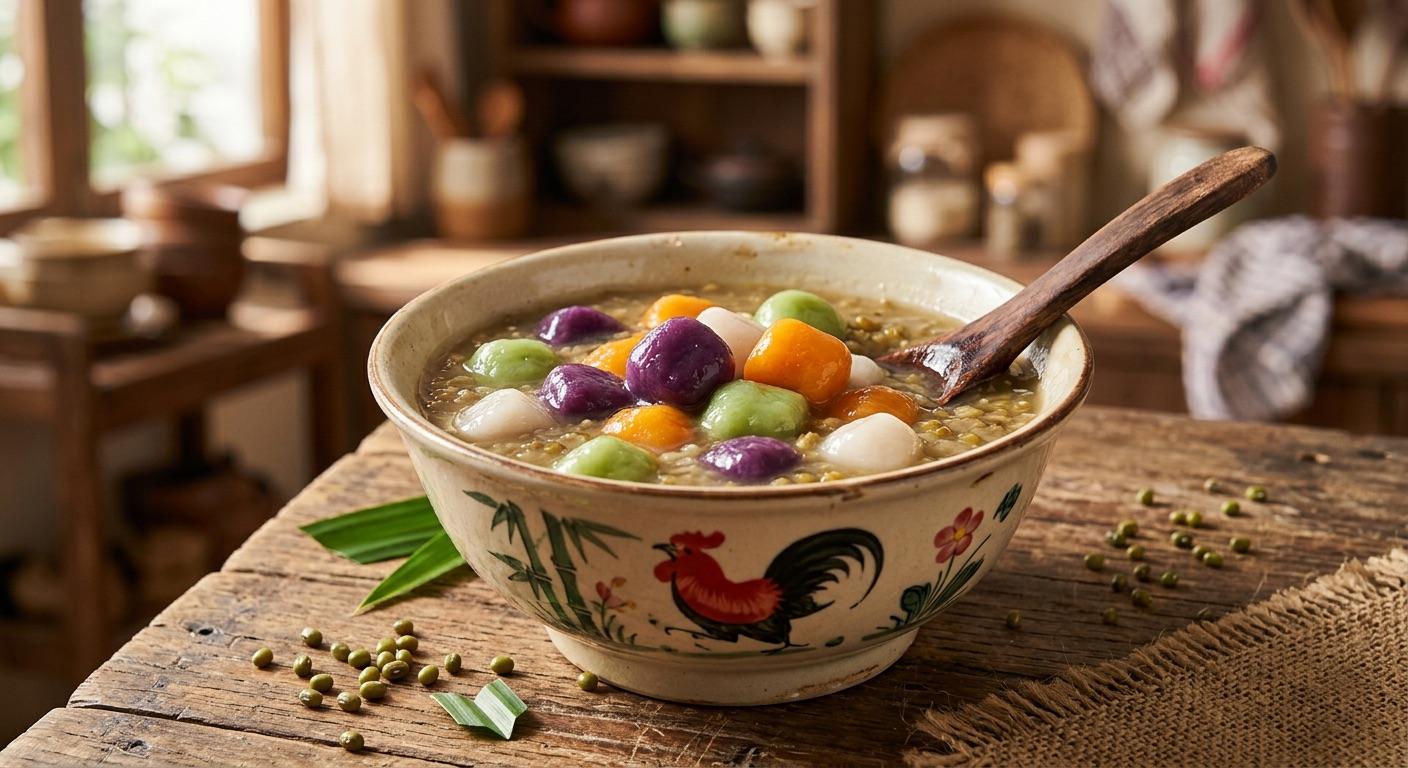
Chinese New Year in Singapore is as much about food as it is about red packets and lion dances. And while the reunion dinner gets most of the attention -- the steamboat, the fish, the pen cai -- it is the desserts that carry the deepest symbolism. Every sweet served during the fifteen days of CNY represents a specific wish for the year ahead: prosperity, unity, progress, or sweetness.
TL;DR: Discover the most popular Chinese New Year desserts in Singapore, their symbolic meanings, and where to find them. From sweet potato balls to nian gao and tang yuan.
This guide covers twelve Chinese New Year desserts you will find across Singapore, explains what each one symbolises, and tells you where to find the best versions. Whether you are hosting reunion dinner, preparing for visiting, or simply want to understand the traditions behind the food, this is your complete reference.
Why Desserts Matter During Chinese New Year
In Chinese culture, sweetness equals a good life. The reasoning is straightforward: if the first foods you eat in the new year are sweet, your year will be sweet too. This is not just metaphor. It is a genuine belief that drives food choices during the festival.
Beyond sweetness, specific desserts are chosen for their names, shapes, and colours. A round dessert represents family unity. A golden colour symbolises wealth. A name that sounds like a word for prosperity or progress turns a simple snack into a blessing.
Understanding these meanings transforms Chinese New Year eating from "having dessert" to participating in a centuries-old tradition of edible good wishes.
1. Nian Gao (Sticky Rice Cake)
Nian gao is arguably the single most important Chinese New Year food. Its name is a perfect homophone for "year higher" in Mandarin, making it a wish for progress, promotion, and growth.
What it is: A dense, sticky cake made from glutinous rice flour and sugar. The traditional version is dark brown (from the brown sugar used), while modern versions come in various colours and flavours.
How Singaporeans eat it: The most popular preparation is pan-fried between slices of sweet potato or yam, dipped in egg batter and fried until golden. This combination of textures -- crispy batter, sticky nian gao, soft sweet potato -- is uniquely Singaporean.
Symbolism: Progress and improvement. Eating nian gao expresses the hope that each year will be better than the last.
2. Sweet Potato Balls (Di Gua Qiu)
Sweet potato balls are a Chinese New Year favourite for multiple reasons. Their round, golden appearance resembles gold nuggets, symbolising wealth and prosperity. The round shape represents completeness and family togetherness.
At Ah Ma QQ Bowl, our handmade sweet potato balls are especially popular during the CNY period. Made from fresh sweet potato and tapioca starch, their golden colour and satisfying QQ texture make them a natural fit for the festive season. They are also gluten-free, vegan, and free from preservatives -- important when you are serving food to large family gatherings with diverse dietary needs.
Symbolism: Wealth, prosperity, and family unity. The golden colour and round shape are both auspicious.
Serving suggestion: Arrange them on a red plate or platter for additional luck. Serve alongside taro balls for a colour contrast of gold and purple -- both considered lucky colours.
3. Tang Yuan (Glutinous Rice Balls)
Tang yuan are small, round balls made from glutinous rice flour, often filled with sesame paste, peanut, or red bean. The name sounds like "reunion" in Mandarin, making them the quintessential dessert for family gatherings.
How they are served: Boiled in a sweet ginger or pandan syrup. Some families add them to red bean soup or sweet potato soup for extra richness.
Symbolism: Family reunion and togetherness. The round shape reinforces the theme of completeness and unity.
Note: Tang yuan and sweet potato balls are different desserts with different ingredients and preparation methods. Tang yuan are made from glutinous rice flour and boiled, while sweet potato balls are made from sweet potato and tapioca starch, then boiled for a soft, chewy texture. Both are round and carry auspicious meaning, but the textures and flavours are distinct.
4. Pineapple Tarts
No Chinese New Year in Singapore is complete without pineapple tarts. The pineapple, called "ong lai" in Hokkien, literally translates to "prosperity arrives." This makes pineapple tarts one of the most symbolically loaded CNY treats.
Singapore's favourite shapes: Open-faced tarts with a pineapple jam rosette, fully enclosed ball-shaped tarts, and the classic cylinder shape with a lattice top. Every family has a preference, and opinions run strong.
Symbolism: Incoming prosperity and good fortune. The act of eating pineapple tarts during CNY is essentially saying "bring on the wealth."
5. Red Bean Soup (Hong Dou Tang)
Red bean soup appears at reunion dinners and throughout the fifteen days of CNY. The red colour is auspicious, symbolising good fortune and joy. The soup itself is comforting, warm, and sweet -- exactly what you want after a heavy reunion dinner.
Best served: Warm, with a few pieces of dried tangerine peel for fragrance. Some families add coconut milk or sago pearls.
Symbolism: Good fortune and joy (from the red colour), and family togetherness (from the communal pot).
6. Green Bean Soup (Luk Tau Tong)
While red bean soup gets the spotlight during CNY, green bean soup is equally popular as a festive dessert in Singapore. It is lighter and more refreshing, making it an excellent contrast to the heavy, rich foods of reunion dinner.
Ah Ma QQ Bowl's green bean soup is a popular addition to CNY gatherings. It is naturally vegan, gluten-free, and can be served warm or chilled depending on the weather. Ordering it alongside our sweet potato balls creates a complete, allergen-friendly dessert spread for visiting.
Symbolism: Cleansing and renewal. Mung beans are associated with removing toxins and starting fresh -- fitting for the new year.
7. Fa Gao (Prosperity Cake)
Fa gao are small steamed cakes that split open at the top when cooked. This split is the most important feature: it represents "opening up" to prosperity. The word "fa" means both "to rise" (as the cake does during steaming) and "to prosper."
How to spot a good one: The wider and deeper the split, the more prosperous your year will be -- or so the tradition goes. A fa gao that does not split is considered bad luck, which is why bakers guard their recipes fiercely.
Colours and meanings: Red fa gao (good luck), yellow (wealth), and green (growth and health).
8. Kueh Bangkit
Kueh bangkit are crumbly, melt-in-your-mouth coconut cookies traditionally made with tapioca starch and coconut milk. They are pressed into decorative moulds shaped like flowers, fish, and other auspicious symbols.
Why they matter during CNY: The delicate texture and beautiful shapes make them ideal for offering to guests during visiting. They are also relatively light compared to heavier CNY snacks, which guests appreciate after their fifth household visit of the day.
Symbolism: Hospitality and welcome. Offering kueh bangkit to visitors shows care and generosity.
9. Love Letters (Kueh Kapit)
Love letters are thin, crispy rolled wafers made from coconut milk, eggs, sugar, and flour. They are one of the most labour-intensive CNY snacks to make, traditionally pressed one at a time over a charcoal fire using special brass moulds.
Why they are special: The time and effort required to make love letters by hand means they represent dedication and love. In the age of mass production, families who still make them at home carry on a tradition that is becoming increasingly rare.
10. Mandarin Oranges
Technically a fruit rather than a dessert, mandarin oranges are so central to Chinese New Year that no guide would be complete without them. The Cantonese word for mandarin orange sounds like "gold," while the Mandarin word sounds like "luck."
The ritual: Oranges are exchanged in pairs when visiting relatives and friends. You bring two oranges to your host's home and receive two different oranges in return. The exchange symbolises mutual wishes for good fortune.
11. Sesame Balls (Jian Dui)
Sesame balls are deep-fried glutinous rice balls coated in sesame seeds, often filled with red bean or lotus seed paste. They puff up during frying to become hollow and golden -- a visual metaphor for expanding wealth.
Symbolism: Growing wealth and abundance. The more the sesame ball puffs up, the more wealth it represents.
12. Osmanthus Jelly
Osmanthus jelly is a lighter, more elegant CNY dessert made from osmanthus flowers, sugar, and agar. The golden colour of the osmanthus flowers symbolises wealth, while the flower itself represents nobility and romance.
Best served: Chilled, in small individual portions. It cleanses the palate after rich CNY dishes and provides a refreshing end to the meal.
Planning Your CNY Dessert Spread
For a well-balanced Chinese New Year dessert table, consider combining traditional and modern elements.
Must-haves: Nian gao (for progress), pineapple tarts (for prosperity), mandarin oranges (for luck).
Crowd favourites: Sweet potato balls (for wealth -- order from Ah Ma QQ Bowl), tang yuan (for reunion), kueh bangkit (for guests).
Light finishers: Green bean soup (for renewal -- available from Ah Ma QQ Bowl), osmanthus jelly (for elegance), fruit platter (for freshness).
Where to Find These Desserts in Singapore
For sweet potato balls and green bean soup: Ah Ma QQ Bowl delivers handmade, preservative-free versions islandwide. Made fresh in our Hougang kitchen from traditional recipes.
For nian gao and pineapple tarts: Neighbourhood bakeries typically offer the best quality. Supermarkets like FairPrice and Cold Storage carry commercial versions. For premium options, check specialty bakeries at Takashimaya or Raffles City.
For kueh and traditional snacks: Bengawan Solo, Old Seng Choong, and neighbourhood kueh shops at wet markets offer reliable quality.
The best Chinese New Year dessert table tells a story of tradition, family, and hope for the year ahead. Every sweet you serve carries a wish. Choose them intentionally, share them generously, and enjoy the sweetness -- both literal and symbolic -- of the new year.
Sources
Craving sweet potato balls?
Ah Ma's handmade taro sweet potato balls in green bean soup — soft, chewy, naturally gluten-free, no preservatives. Made fresh in our Hougang kitchen.
Frequently Asked Questions
The essential Chinese New Year desserts in Singapore include nian gao (sticky rice cake symbolising progress), pineapple tarts (symbolising wealth), tang yuan (symbolising family unity), red bean soup, and sweet potato balls. Each dessert carries specific symbolic meaning related to prosperity, togetherness, and good fortune for the new year.
Sweet potato balls are popular during Chinese New Year because their round, golden shape symbolises wealth and prosperity. The golden colour resembles gold nuggets, while the round shape represents completeness and family unity. Their QQ (chewy) texture also makes them a crowd favourite at reunion gatherings. At Ah Ma QQ Bowl, we see a significant increase in orders during the CNY period.
Nian gao symbolises progress and advancement. The name is a homophone for 'year higher' in Chinese, representing the wish for improvement and growth in the new year. It is traditionally made from glutinous rice flour and sugar, giving it a sweet, sticky texture. In Singapore, nian gao is commonly eaten pan-fried with egg or sweet potato.
Many bakeries and traditional dessert makers offer CNY delivery in Singapore. Ah Ma QQ Bowl delivers handmade sweet potato balls, taro balls, and green bean soup islandwide -- all popular additions to the CNY dessert spread. For traditional items like pineapple tarts and nian gao, check neighbourhood bakeries, supermarkets, and online platforms like Shopee and Lazada.
At reunion dinner, desserts typically include tang yuan (sweet glutinous rice balls), red bean soup or green bean soup, nian gao (often pan-fried), sweet potato balls, and a fruit platter featuring oranges and pomelos. The selection varies by family, but the common thread is that each dessert carries an auspicious meaning related to prosperity, unity, or sweetness in the coming year.
Craving these? Order fresh from our Hougang kitchen
Soft, chewy sweet potato balls in warm green bean soup — handmade with real taro and green beans, no preservatives. Order online for delivery across Singapore.
Order NowRelated Articles
Singaporean Dessert Culture and History: How Our Sweet Tooth Evolved
Explore Singaporean dessert culture and history — from traditional tang shui to modern hawker sweets. Discover how Singapore's iconic desserts evolved over generations.
Sweet Potato Balls vs Tang Yuan: What's the Difference?
Sweet potato balls and tang yuan look similar but are worlds apart in taste, texture, and tradition. Here's everything you need to know about these two beloved Singapore desserts.
Late-Night Desserts Singapore: 10 Best Supper Sweet Treats (2026)
Craving a late-night dessert in Singapore? Here are the 10 best supper desserts — from soft, chewy sweet potato balls to warm green bean soup and tau huay — plus where to find midnight desserts or keep a stash at home.