
Dessert Catering Singapore: Corporate, Wedding & Event Guide
Dessert catering in Singapore for offices, weddings and birthday parties. Compare options, budgets and lead times, and see why handmade traditional treats beat mass-produced alternatives.
Ah Ma QQ Bowl
Published 28 May 2026 · Updated 23 July 2026
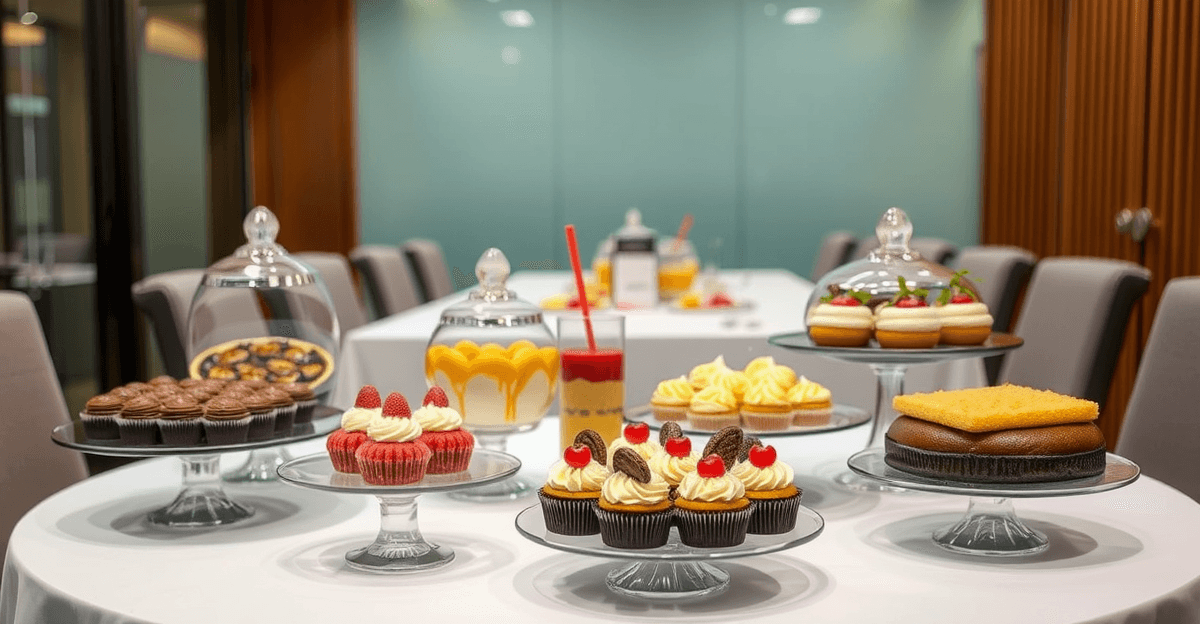
Planning dessert catering sounds simple until you're faced with 30 hungry colleagues (or 100 wedding guests), a fixed budget, and zero idea where to start. In Singapore's food-obsessed culture, the dessert you choose matters more than you'd think — it's the last thing guests taste, and it shapes how they remember the whole event. This guide covers dessert catering across the three settings people ask about most: office functions, weddings, and birthday parties.
TL;DR: Plan perfect office desserts in Singapore. Explore catering options, budget tips, and why handmade traditional treats beat mass-produced alternatives for team morale.
Here's what we've learned from supplying desserts to offices across Singapore — the right catering option for your team size, why local beats imported for morale, and why handmade wins over mass-produced every time. (Ready to book instead of research? See our dessert catering service for corporate events, parties and weddings.)
Why Dessert Matters in Singapore's Workplace Culture
Singapore's work environment is notoriously intense. Teams juggle multiple time zones, tight project cycles, and back-to-back meetings. A thoughtful dessert break—especially one featuring authentic local flavours—provides genuine psychological relief. It's not just sugar; it's a moment of collective pause.
The research backs this up: workplaces offering regular team treats report higher morale and stronger retention. And in Singapore's multicultural environment, desserts that span different food traditions (Chinese, Malay, Indian influences) naturally celebrate your diverse workforce.
Beyond morale, there's a practical angle. A $200 dessert budget costs far less than recruiting and training a replacement for a burned-out employee.
Understanding Your Options: Hawker, Bakery, or Home-Based?
Singapore offers three main dessert catering ecosystems, each with distinct advantages.
Hawker Stalls and Food Courts
Pros: Extremely affordable, tried-and-tested quality, familiar to everyone.
Cons: Limited customization, inconsistent portion control, collecting items is your responsibility, and they often close before evening events.
Most hawker dessert stalls charge $1-2 per item, making them budget-friendly for large groups. Popular options include tau huay (beancurd), chendol, and ais kacang. The downside? You're collecting 30 individual cups and managing ice during a tropical afternoon. Quality varies by stall and day.
Commercial Bakeries
Pros: Professional presentation, consistency, can handle large orders, websites with clear pricing.
Cons: Higher price point ($5-8 per item), less personal touch, often mass-produced.
Chains like Bengawan Solo and local bakeries offer beautifully packaged items perfect for formal settings. They're reliable for conferences where presentation matters as much as taste.
Home-Based Artisanal Makers
Pros: Freshly made daily, customizable portions, genuinely better taste, direct relationship with maker, often superior value.
Cons: Smaller batches, requires advance notice, limited availability.
This is where Singapore's dessert culture shines. Home-based makers—often operating from HDB kitchens in neighbourhoods like Hougang—create authentic traditional treats using family recipes passed down through generations. These aren't commercial enterprises cutting corners; they're passionate cooks who care deeply about their craft.
For example, handmade traditional sweet potato balls delivered fresh from Ah Ma QQ Bowl's Hougang home kitchen represent the best of this category. These soft, chewy boiled balls in fragrant green bean soup are made to order—never fried or pre-cooked days ahead. The difference is immediately noticeable. The texture, the authentic taste, the sense that someone genuinely crafted what you're eating—this resonates with teams more than you'd expect.
Choosing the Right Option for Your Situation
For teams of 10-15 (small gatherings):
Home-based makers are ideal. You get premium quality without excess quantities. Lead time: 3-5 days.
For teams of 20-40 (medium office events):
Mix options—order from a home maker plus a bakery to ensure sufficient variety. This allows both artisanal quality and backup volume.
For teams of 50+ (large corporate events):
Contact commercial bakeries and catering firms, but supplement with home-based makers for authenticity. This demonstrates you've put genuine thought into variety.
For hotdesking/flexible teams:
Choose items that transport well and don't melt quickly. Boxed cakes, traditional pastries, and boiled desserts in sealed containers work better than gelato.
Beyond the Office: Dessert Catering for Birthdays and Weddings
Offices aren't the only events that live or die by their dessert table. The same principles — freshness, local flavours, easy serving — apply whether you're feeding a kids' party or a 10-course wedding banquet.
Birthday Parties
For kids (ages 4-12): Colourful, fun, easy to eat with small hands — jelly cups, bite-sized kueh, or cupcakes. Nothing too messy.
For adults: This is where you can get creative. A dessert that evokes childhood memories — a warm bowl of green bean soup with chewy sweet potato balls — often lands harder than an expensive cake. We've catered milestone birthdays where the birthday person specifically asked for traditional sweet soup instead of a Western-style cake, and the reaction from guests was genuinely touching.
For elderly family members: Soft-textured desserts are the way to go — traditional soups are gentle on teeth and easy to digest. Our guide to desserts for elderly parents in Singapore has more on this.
Weddings and Engagement Parties
Wedding dessert tables have become a staple at Singapore receptions. Beyond the obligatory cake, more couples are adding spreads that reflect their heritage — traditional Chinese or Peranakan desserts alongside Western options. This works especially well at multi-generational weddings, where grandparents, parents, and younger guests all need something they'll enjoy. Warm dessert soups in small bowls make excellent post-banquet palate cleansers — lighter than cake and comforting after a long dinner.
For wedding favours, individual portions of traditional desserts make more personal gifts than mass-produced chocolates. Our article on the best food gifts for every occasion has more edible favour ideas.
Cost by Event Type
Pricing shifts with the format. As a rough guide for Singapore dessert catering:
- Traditional dessert soups — $3-$6 per pax (minimum ~15-20 pax)
- Kueh platter (assorted) — $4-$7 per pax (minimum ~20 pax)
- Western dessert cups — $5-$10 per pax (minimum ~15-20 pax)
- Full dessert table — $10-$18 per pax (minimum ~30-50 pax)
- Premium / bespoke stations — $15-$25+ per pax (minimum ~50 pax)
Home-based businesses often offer the best value — lower overheads mean better prices without sacrificing quality. The trade-off is smaller batch sizes and limited delivery windows, but handmade quality typically beats mass-produced alternatives.
Traditional vs. Trendy: What Actually Gets Eaten?
There's a cycle in Singapore's food scene: something trendy arrives (bubble tea, salted egg everything, burnt cheesecake), everyone serves it at events, and within a year or two it feels dated. Traditional desserts don't have this problem. Green bean soup, red bean soup, cheng tng, and sweet potato desserts work at events because they have universal appeal, trigger positive food memories, portion easily at scale, and keep costs reasonable. The sweet spot is a dessert that feels traditional but has a handmade quality that stands out from the hawker-centre version.
For ordering tips including bulk quantities, see our guide on how to order sweet potato balls in Singapore. For office events specifically, plant-based traditional desserts like green bean soup with sweet potato balls are naturally vegan and need no special labelling.
Budget Breakdown: How to Spend $200 Wisely
Let's work with a realistic $200 budget for a 25-person team (≈$8 per person).
Option A: Premium Artisanal
- 25 handmade sweet potato balls with soup: $100 ($4/serve)
- 1 box premium cake (8 slices): $50
- Fresh fruit platter: $50
- Total: $200 | Appeal: Authentic, memorable, high satisfaction
Option B: Mixed Quality
- 15 items from a home maker ($5 each): $75
- 15 bakery items ($3.50 each): $52.50
- 10 hawker items ($1.50 each): $15
- Beverages/utensils: $57.50
- Total: $200 | Appeal: Variety, something for everyone
Option C: Budget-Conscious
- 50 hawker items at $2 each: $100
- 1 professional cake: $60
- Drinks and cups: $40
- Total: $200 | Appeal: Volume, familiar tastes
Option A delivers the highest perceived value—teams remember thoughtful, fresh desserts. Option B suits diverse teams. Option C maximizes quantity but sacrifices the "wow factor."
Practical Logistics: Delivery, Storage, and Service
Singapore's heat is your enemy. An ice cream dessert ordered at 9 AM might be soup by noon without proper planning.
Temperature Management:
- Request insulated delivery boxes with ice packs
- For boiled desserts like sweet potato balls in soup, ask suppliers for sealed, leak-proof containers
- Soft items travel better than delicate pastries
Timing:
- Order delivery 30-60 minutes before serving
- If self-collecting, manage timing carefully—don't collect too early
- Schedule eating immediately after delivery in tropical weather
Serving Setup:
- Arrange items on a table with napkins, spoons, and small plates
- Keep any refrigerated items in the pantry fridge until serving
- For soups and liquid-based desserts, pre-portion into cups if possible to prevent spillage
Allergies and Dietary Needs:
- Always ask suppliers about ingredients (nuts, gluten, dairy)
- Home-based makers are often more flexible with customization
- Inform colleagues in advance about what's available
Why Handmade Matters: The Psychology of Good Desserts
There's something psychologically powerful about knowing someone made your dessert, rather than a machine did.
Handmade items signal care. They suggest your organisation values quality over convenience. And in Singapore's culture—where home cooking and family recipes carry deep meaning—authentic handmade desserts bridge the professional and personal in a way mass-produced items never can.
When your team eats soft, chewy sweet potato balls that were boiled fresh that morning in a Hougang home kitchen, they're not just consuming calories. They're experiencing genuine craftsmanship. This matters for team morale in ways that quarterly reports cannot capture.
Questions to Ask Before Ordering
Essential due diligence:
- Can you accommodate our date and headcount?
- What's your advance notice requirement?
- Do you offer customization? (portions, sweetness level, etc.)
- Are items individually packaged or served communally?
- What's your refund/cancellation policy?
- Do you deliver, or do we collect? If delivering, what's the radius?
- Can you cater to dietary restrictions? (vegetarian, nut-free, halal, etc.)
- What's included in the price? (utensils, napkins, serving containers)
- Do you have photos of previous orders?
- What's your experience with office events?
Home-based makers may ask these questions back—that's actually a good sign. They care about delivering the right experience.
Red Flags to Avoid
- Suppliers unwilling to discuss ingredients or preparation methods
- Extremely cheap pricing that seems suspicious ($0.50 per item for "handmade")
- No advance notice requirement (sometimes indicates pre-made or frozen stock)
- Negative reviews mentioning freshness or delivery issues
- Unclear allergies or dietary information
- Payment via untraceable methods with no receipt
Singapore-Specific Dessert Ideas Your Team Will Love
Local Classics:
- Chendol (coconut milk, palm syrup, pandan)
- Tau huay (silken beancurd, ginger syrup)
- Pulut hitam (black sticky rice, coconut)
- Ondeh-ondeh (pandan glutinous balls, gula melaka)
- Kuih lapis (layered cake, coconut)
Contemporary Local:
- Sweet potato balls in green bean soup (soft, boiled, authentic)
- Mango sticky rice (mango season special)
- Durian pengat (for brave teams)
- Taro-based desserts (creamy, naturally sweet)
Safe Bets for Diverse Palates:
- Fresh fruit platters
- Chocolate or vanilla cakes
- Matcha-based items
- Carrot cake
Final Thoughts: Making Dessert Catering Strategic
Corporate dessert catering isn't an afterthought—it's team investment. The $200 you spend signals something important: We see you. We value you. We've thought about what makes you happy.
The best corporate dessert orders combine three things:
- Authenticity – Items that reflect Singapore's food culture
- Quality – Handmade beats mass-produced every time
- Variety – Something for every palate
Home-based makers like those operating in Hougang often deliver on all three. Their handmade traditional sweet potato balls, boiled fresh and served in fragrant soup, cost slightly more than hawker options but land infinitely better with your team. The effort shows. The taste shows. The morale lift follows.
Start conversations early, ask detailed questions, and don't default to the cheapest option. Your team's happiness is worth the extra research.
Now go plan that dessert break. Your colleagues will thank you for it.
Sources
Looking for more? Check out find more food deals on WhyNotDeals.
Craving sweet potato balls?
Ah Ma's handmade taro sweet potato balls in green bean soup — soft, chewy, naturally gluten-free, no preservatives. Made fresh in our Hougang kitchen.
Frequently Asked Questions
Dessert catering in Singapore typically ranges from $3 to $12 per pax, depending on the type of dessert and quantity. Traditional dessert soups and kueh platters sit at the lower end ($3–$6 per pax), while elaborate dessert tables with multiple items can go up to $15 or more per pax. Bulk orders from home-based businesses often offer better value than commercial caterers thanks to lower overheads.
Placing your order 1–2 weeks in advance is ideal for most events. During peak seasons like Chinese New Year, the October–December wedding season, or year-end corporate functions, book at least 3–4 weeks ahead. Home-based businesses with limited daily capacity may also require earlier booking, so confirm availability first.
Yes. Many dessert caterers in Singapore offer halal-friendly or vegan options, and several traditional desserts are naturally plant-based — green bean soup with sweet potato balls, for example, is vegan with no special accommodation needed. For halal assurance, check that the caterer holds a valid MUIS halal certificate or uses halal-certified ingredients.
For larger orders (50+ people), aim for 5-7 days notice to ensure freshness and quality. Smaller orders of 10-20 can often be accommodated within 2-3 days, especially with home-based businesses that prepare fresh daily. Always confirm availability first, as artisanal dessert makers often work with limited daily batches in Singapore's hawker and home-kitchen culture.
Budget $3-8 per person depending on quality and complexity. Mass-produced options cost $2-3, while handmade traditional desserts run $4-6 per serving. Premium artisanal selections can reach $8-10. Remember that fresh, handmade options often provide better value through superior taste and team satisfaction, even at slightly higher price points.
Absolutely—this is smart catering strategy in Singapore where food diversity is celebrated. Pair creamy desserts with lighter refreshing options, and always include familiar local flavours. Many home-based dessert makers offer variety packs, and you can often combine different items in a single order for maximum team appeal.
Request insulated delivery boxes with ice packs if catering hot climates. For soft, boiled desserts like sweet potato balls in soup, ask the supplier for secure, leak-proof containers. Many Singapore-based home businesses include transport-safe packaging in their service. Always collect items 30 minutes before serving if picking up yourself.
Craving these? Order fresh from our Hougang kitchen
Soft, chewy sweet potato balls in warm green bean soup — handmade with real taro and green beans, no preservatives. Order online for delivery across Singapore.
Order NowRelated Articles
Handling Customer Complaints in Food Business
Handling customer complaints in food business the right way: a warm, practical Singapore guide for home kitchens and dessert sellers on turning unhappy customers into loyal fans.
Customer Retention for Singapore Food Businesses
Customer retention for Singapore food businesses is the secret to steady sales. Learn practical loyalty, delivery & personalisation tactics from a Hougang home kitchen.
Food Packaging and Delivery Tips for Home Businesses
Practical food packaging and delivery tips for home businesses in Singapore — keep desserts fresh, choose eco containers, and nail HDB doorstep delivery.