
Hawker Desserts vs Homemade: Why More Singaporeans Are Choosing Artisan
Discover why Singapore dessert lovers are ditching hawker stalls for artisan homemade treats. Fresh, handmade sweet potato balls and traditional soups delivered to your door.
Ah Ma QQ Bowl
Published 1 June 2026
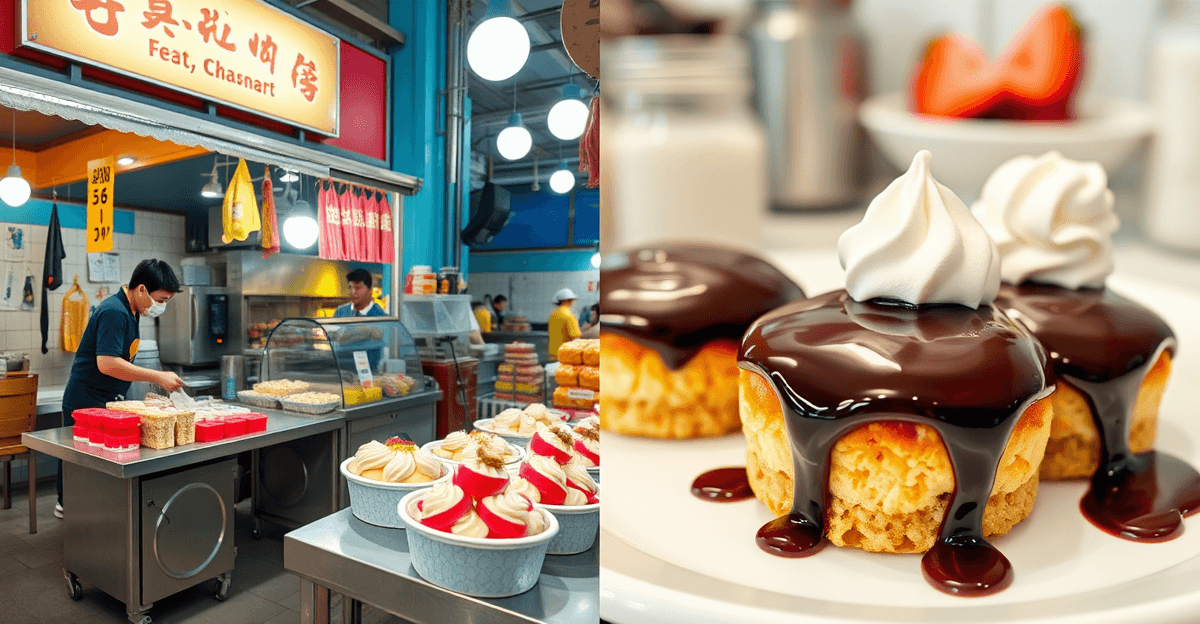
Singapore's food culture has long revolved around the hawker center—those beloved, bustling stalls where generations have gathered for quick, affordable meals and desserts. From teh tarik to kueh lapis, the hawker system has been the backbone of our culinary identity. Yet something interesting is shifting in how we approach one corner of our food scene: desserts. More Singaporeans are now seeking out artisan, homemade alternatives to traditional hawker sweet treats. This isn't about rejecting our food heritage—it's about rediscovering it in a new, more intentional way.
TL;DR: Discover why Singapore dessert lovers are ditching hawker stalls for artisan homemade treats. Fresh, handmade sweet potato balls and traditional soups delivered to your door.
The Hawker Dessert Problem: Convenience Over Quality
For decades, the hawker center has been the place for desserts. After dinner, families would stroll to their neighbourhood stall for ice kachang, tau suan, or chendol. It's quick, it's cheap, and it's part of Singapore's DNA.
But here's the reality many of us have started noticing: convenience doesn't always equal quality.
The Issues With Mass-Production Desserts
When dessert stalls operate for 12+ hours daily, serving hundreds of customers, shortcuts are inevitable:
- Ingredients sitting under heat lose their texture and flavor integrity. Think about those sweet potato balls or tang yuan variants that have been sitting in soup for hours—the softness becomes mushiness, the delicate balance lost.
- Pre-made batches mean you're rarely getting something made fresh specifically for you. The batch from 2 PM tastes different from the 8 PM batch.
- Ingredient transparency is often unclear. Many busy stalls prioritize speed over ingredient sourcing, using generic syrups, pre-mixed powders, and shelf-stable additives.
- Portion consistency can be hit-or-miss depending on who's scooping that day.
For hawker stalls operating on razor-thin margins, this isn't a moral failing—it's simply the economics of feeding a hungry nation quickly and cheaply. But it does mean that if you care about quality, you're often disappointed.
The Rise of Artisan Homemade Desserts in Singapore
Over the past 5-10 years, Singapore has seen a quiet boom in home-based dessert makers. Operating from HDB kitchens in neighbourhoods like Hougang, Clementi, and Bukit Merah, these makers are bringing back something the hawker system lost: intentionality.
Why Homemade Is Gaining Ground
1. Freshness You Can Taste
When a dessert is made to order or in small daily batches, freshness isn't a bonus—it's guaranteed. A soft, chewy sweet potato ball made this morning tastes fundamentally different from one that's been warming under a heat lamp since 11 AM. That delicate QQ texture (the slightly bouncy, tender consistency Singaporeans love) is only achievable when preparation meets consumption quickly.
2. Ingredient Control
Home-based makers often source quality ingredients deliberately. They're using proper sweet potatoes, real sugar, and simple, recognizable components—not industrial syrups or pre-packaged mixes. This matters, especially for traditional desserts where the ingredient quality directly impacts the final taste.
3. Transparency & Trust
When you're buying from someone operating from their home kitchen, there's inherent accountability. Reviews spread quickly among local communities. Makers like those in Hougang build their entire reputation on word-of-mouth and customer loyalty. You can ask questions about how something is made, what goes into it, and why—and get real answers.
4. Customization
Unlike a hawker stall serving hundreds, home makers can accommodate preferences. Want less sugar? Prefer a certain soup consistency? Need it delivered at a specific time? These conversations happen naturally with artisan makers.
Handmade Sweet Potato Balls: A Case Study in Quality
To understand this shift, consider the humble sweet potato ball—a traditional dessert that deserves better than mass production.
What Makes Them Special
A proper sweet potato ball is deceptively simple: mashed sweet potato, tapioca or glutinous rice flour, and careful hand-rolling technique. When done right, you get that signature chewy, slightly tender texture—the QQ consistency that makes you reach for another.
The Hawker Version
Most hawker stalls buy sweet potato balls pre-made or make large batches early in the day. They're boiled and kept warm in soup, often until late evening. The result? A mushy, overcooked ball that's lost its structural integrity. The soup flavor has become one-dimensional from sitting all day.
The Artisan Version
Handmade traditional sweet potato balls delivered fresh from a Hougang home kitchen are an entirely different experience. Made in smaller batches, boiled just before serving, and delivered to your door while still warm—they retain that perfect chewiness. The soup is bright, the balls are distinct, and every spoonful tastes intentional.
This isn't pretension; it's the difference between eating something and enjoying something.
The Logistics That Make It Work
One might ask: How is a home-based maker more practical than a five-minute walk to the hawker center?
The answer is modern logistics + community.
WhatsApp Orders & Hougang Delivery
Most artisan dessert makers now operate through WhatsApp or Instagram. You order the night before or in the morning, and they deliver to your HDB block in the evening—often as part of a route through their neighbourhood. For Hougang residents and surrounding areas, this means dessert arrives fresher than if you'd walked to a hawker stall and waited for it to be scooped.
Consistency & Reliability
Unlike a hawker stall where you might find a substitute worker who doesn't know how to make something properly, buying from a home maker means the same person—often the person who developed the recipe—is preparing your order every time.
Addressing the Skepticism
"Isn't homemade food less regulated?"
Fair question. Home-based food makers in Singapore do operate under food safety guidelines (NEA regulations), and many maintain higher standards than required. They also understand that their reputation is their business—one food poisoning incident ends everything. Most artisan makers are meticulous about hygiene in a way that a high-volume hawker stall simply can't prioritize.
"Isn't it more expensive?"
Often yes, but not dramatically. A serving of quality homemade sweet potato balls might cost $4-5 versus $2.50 at a hawker stall. You're paying for:
- Fresher, better-quality ingredients
- Handmade preparation (not industrial production)
- Convenient delivery
- Consistent quality
For many Singaporeans, especially younger generations who value quality and transparency, this premium is worth it.
"But hawker culture is part of Singapore's identity..."
Absolutely—and it still is. This isn't a threat to hawker centers; it's a complement. We can value the accessibility and legacy of hawker culture while also appreciating artisan alternatives for occasions when we want something special. Think of it like how we still grab quick meals at food courts but also enjoy occasional meals at restaurants.
The Generational Shift
There's a demographic element here worth noting. Younger Singaporeans (Gen Z and younger millennials) who grew up with food safety awareness, social media transparency, and e-commerce are more likely to seek out artisan makers. They want to know where their food comes from. They're willing to order online. They value the story behind their food.
Meanwhile, hawker stalls are aging—not just the customers, but the vendors themselves. Many traditional dessert makers are in their 60s and 70s. As they retire, some of what they made isn't being preserved anywhere... until a younger generation picks it up and creates a home-based version, selling through Instagram and WhatsApp instead of from a metal cart.
What This Means For Singapore's Food Future
The rise of artisan homemade desserts doesn't mean the end of hawker culture. Rather, it suggests food diversity is expanding. We're seeing:
- Preservation of traditional recipes through home makers who care about authenticity
- Higher ingredient standards as people become more conscious about what they eat
- More direct relationships between makers and customers (no middleman)
- Neighborhood-based food networks rather than centralized hawker locations
For someone who wants a quick, cheap dessert, hawker centers remain unbeatable. For someone who wants something thoughtfully made, ingredient-conscious, and delivered fresh—the homemade artisan route has clear advantages.
The Bottom Line
Singaporeans choosing artisan homemade desserts aren't rejecting hawker culture—they're exercising choice. In a wealthier, more health-conscious society, people want options that reflect their values: quality, transparency, freshness, and care.
Whether it's handmade traditional sweet potato balls in green bean soup, artisan tau suan, or carefully crafted chendol, these home-based makers are filling a gap in our food landscape. They're proving that sometimes, the best food experiences come not from the busiest stall in the loudest hawker center, but from someone's home kitchen in Hougang, made with intention and delivered fresh to your door.
The hawker center will always have its place in Singapore's heart. But it's refreshing to see that our food culture is dynamic enough to embrace both—the quick, the convenient, and the carefully crafted.
Sources
Looking for more? Check out find more food deals on WhyNotDeals.
Craving sweet potato balls?
Ah Ma's handmade taro sweet potato balls in green bean soup — soft, chewy, naturally gluten-free, no preservatives. Made fresh in our Hougang kitchen.
Frequently Asked Questions
Homemade desserts offer control over ingredient quality, hygiene standards, and customization that mass-produced hawker items can't match. Many Singaporeans are choosing artisan makers who use traditional methods and fresh ingredients, especially for items like handmade sweet potato balls that require careful preparation. You also know exactly where your food comes from and how it's made.
While artisan homemade desserts may cost slightly more per serving, the quality difference justifies the premium for many Singaporeans. You're paying for freshness, handcrafted care, and superior ingredients—not mass production. Plus, convenient doorstep delivery in areas like Hougang eliminates transport time and keeps desserts fresher than those sitting in hawker display cases.
Reputable home-based dessert makers operate under food safety guidelines and maintain transparent practices. Many, like those in Hougang, build their reputation on word-of-mouth and customer reviews. Ask about ingredients, preparation methods, and storage—trustworthy makers are happy to share these details and often showcase their kitchen practices online.
Homemade sweet potato balls are typically made fresh to order with quality ingredients, resulting in a perfectly chewy QQ texture. Hawker versions are often pre-made and sitting under heat lamps, losing that ideal softness. Artisan makers prioritize the delicate balance of texture and flavor that makes traditional desserts special.
Craving these? Order fresh from our Hougang kitchen
Soft, chewy sweet potato balls in warm green bean soup — handmade with real taro and green beans, no preservatives. Order online for delivery across Singapore.
Order NowRelated Articles
Kampong Dessert Recipes: Nostalgic Childhood Treats
Rediscover kampong dessert recipes from old Singapore — nostalgic childhood treats like bubur cha cha, ondeh ondeh and sweet potato balls, with tips to make them at home.
Hawker Culture and Singapore Desserts: UNESCO Heritage
Discover how Singapore desserts and hawker culture earned UNESCO heritage status in 2020, and why homemade sweet potato balls keep this delicious tradition alive.
Indian Dessert Traditions in Singapore: Mithai and Sweets
Explore Indian dessert traditions in Singapore — from gulab jamun to mithai in Little India. A warm guide to Indian sweets, festivals and local flavours.