
Matcha Desserts Singapore: Why This Japanese Trend Pairs Perfectly With Chinese Sweets
Explore how matcha desserts are blending with traditional Chinese sweets in Singapore. From matcha green bean soup to QQ sweet potato balls — discover the best fusion treats.
Ah Ma QQ Bowl
Published 7 June 2026
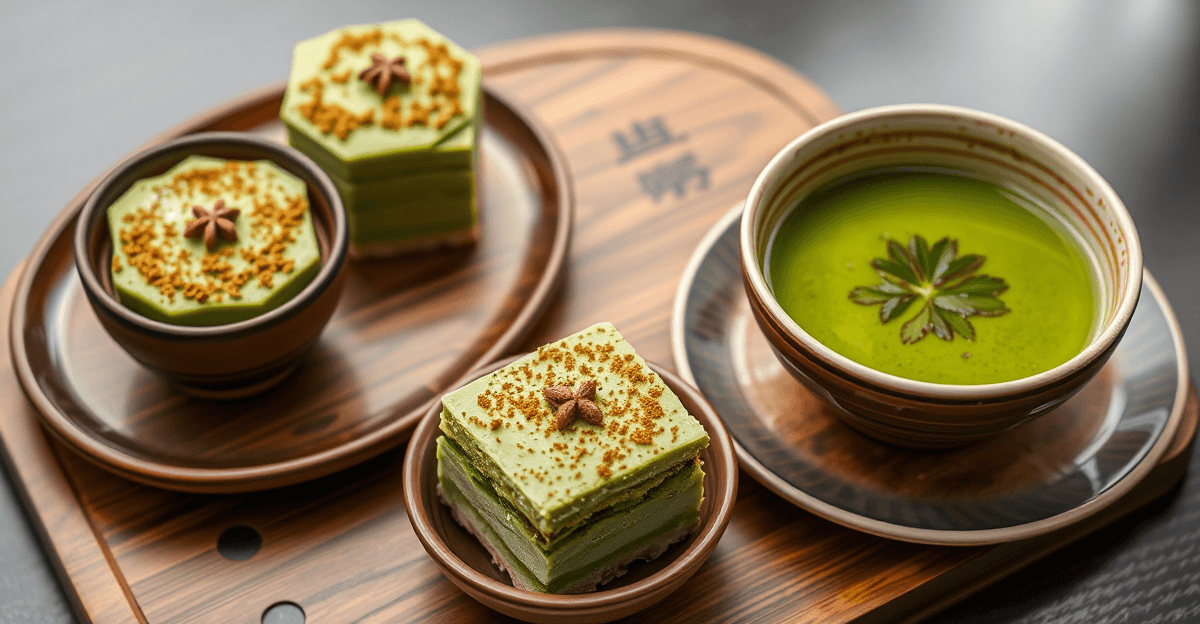
A customer told us something interesting a few months ago. She had been adding a teaspoon of matcha powder to our green bean soup before serving it to her family, and now her kids refuse to eat it any other way. "It's like it was always supposed to be there," she said.
She might be onto something. From Jurong to Joo Chiat, matcha is quietly finding its way into traditional Chinese desserts — matcha-swirled muah chee, matcha-infused green bean soup, and matcha dustings on all sorts of tong sui. This cross-cultural pairing works because both Japanese and Chinese dessert traditions share the same core idea: balance, subtlety, and letting natural ingredients speak for themselves.
Key Takeaway: Matcha's earthy bitterness is a natural match for the gentle sweetness of Chinese tong sui and traditional snacks. Singapore's dessert scene — from hawker stalls to HDB home kitchens — is embracing this fusion in creative, delicious ways.
Why Singapore Loves Matcha
The matcha obsession shows no sign of slowing down. The global matcha market was valued at approximately USD 3.7 billion in 2025, with Southeast Asia emerging as one of the fastest-growing regions. In Singapore, searches for "matcha desserts" keep growing year on year.
A few reasons it resonates here:
- Health appeal. Matcha contains up to 137 times more catechins than regular green tea. Singaporeans who already understand the benefits of green tea find matcha an easy upgrade.
- Instagram culture. That vivid green colour is undeniably photogenic — perfect for Singapore's food-obsessed social media scene.
- Flavour versatility. Matcha sits comfortably between sweet and savoury, making it adaptable to almost any dessert format.
But the most interesting development is not matcha in croissants or lattes. It is matcha meeting Chinese sweets.
Why Matcha and Chinese Desserts Just Work
At first glance, Japanese matcha and Chinese tong sui seem worlds apart. But they share the same values. Both traditions care about balance — the interplay of bitter, sweet, and earthy in a single bowl.
Chinese sweet soups like green bean soup and red bean soup are deliberately gentle in sweetness. They are not sugary — they are comforting. The natural starchiness of beans and root vegetables provides body, while rock sugar rounds things off. Matcha works on the same wavelength: its vegetal bitterness and umami depth are meant to be savoured, not masked.
Let's be real — we are a culture that eats Japanese curry with rice, dips prawn tempura in chilli sauce, and thinks nothing of having mochi after a plate of char kway teow. Blending matcha into Chinese sweets was practically inevitable.
The Best Matcha + Chinese Dessert Pairings
Matcha Green Bean Soup
Green bean soup is one of Singapore's most underrated desserts. Adding a teaspoon of ceremonial-grade matcha to a warm bowl creates something special. The grassiness of matcha amplifies the earthy sweetness of the green beans, while the soup's natural creaminess softens matcha's bite.
This is the simplest matcha fusion to try at home. And if you like your green bean soup with something chewy — like our handmade sweet potato balls — the contrast becomes even more satisfying. Soft QQ texture against warm, matcha-laced soup. Proper comfort food.
Matcha Muah Chee
Those pillowy glutinous rice cubes rolled in peanut and sugar take beautifully to matcha. Dusting matcha powder into the peanut-sugar coating adds a pleasant bitterness that cuts through the sweetness. Some hawker stalls and home bakers have started offering this variation, and it has become a favourite at pasar malam dessert stalls.
Matcha with Sweet Potato Desserts
Sweet potato and matcha is a pairing beloved in Japan — think Okinawan sweet potato matcha cakes — that translates perfectly here. Sweet potato's natural caramel-like sweetness provides the ideal canvas for matcha's complexity.
Customers have told us they love pairing our sweet potato balls with a light matcha drizzle or just enjoying them alongside a cup of matcha. The chewy QQ texture plays off matcha's smooth bitterness in a way that feels both familiar and new. If you are curious about what makes sweet potato balls different from tang yuan, here is a helpful comparison: sweet potato balls vs tang yuan.
Matcha Red Bean Soup
This is the most classic pairing of all. Matcha and azuki have been partners in Japanese wagashi for centuries. Adding matcha to traditional hong dou tang (red bean soup) bridges two cultures in a single spoonful.
Where to Find Matcha-Inspired Desserts in Singapore
- Hawker centres and kopitiam stalls — Some traditional dessert stalls now offer matcha variations, especially in Chinatown and Toa Payoh.
- Home-based businesses — Singapore's HDB home kitchen scene has produced some of the most creative matcha fusion desserts. Many offer island-wide delivery. If you are exploring plant-based options, most traditional Chinese-style desserts are naturally vegan-friendly.
- Japanese-influenced cafes — Spots in Tiong Bahru, Tanjong Pagar, and Bugis specialise in matcha-forward menus.
- Specialty grocery stores — Don Don Donki and Meidi-Ya carry ceremonial and culinary-grade matcha for home experimentation.
For deals on matcha desserts and other food promotions around the island, WhyNotDeals is worth checking.
Trying It at Home
You do not need to be a pastry chef:
- Start with culinary-grade matcha. Ceremonial grade is lovely but expensive. Culinary grade ($10-$20 for 50g at most supermarkets) works perfectly for desserts.
- Sift before mixing. Matcha clumps easily. Always sift through a fine mesh strainer first.
- Dial back the sugar. If adding matcha to something already sweet, reduce the sugar slightly. The goal is harmony.
- Temperature changes flavour. Matcha becomes more mellow in warm desserts and more vibrant in cold ones. A chilled matcha green bean soup tastes quite different from a warm one.
- Less is more. Start with half a teaspoon per serving. Too much matcha overpowers delicate dessert flavours.
These matcha-enhanced desserts also make wonderful food gifts for special occasions — a jar of matcha green bean soup or a box of matcha-dusted treats feels thoughtful and unique.
What Comes Next
What makes Singapore's food culture special is the willingness to experiment without forgetting tradition. Matcha's integration into Chinese desserts is not about replacing anything. It is about adding a new dimension to flavours we have loved for generations.
As more home bakers, hawker stall owners, and dessert makers experiment, we will likely see even more creative combinations. Matcha ondeh ondeh? Matcha peanut soup? Wide open.
The best part is that this trend is accessible. Some of the most satisfying matcha-Chinese dessert fusions are coming out of HDB kitchens — made with the same care and love that our grandmothers put into their tong sui. And really, that is what this fusion is about: honouring the old while welcoming the new.
Sources
- Grand View Research — Matcha Market Size Report — global matcha market valuation and growth trends
- Singapore Food Agency (SFA) — Food Safety Guidelines — regulatory standards for home-based food businesses in Singapore
- National Library Board Singapore — Chinese Dessert Traditions — cultural history of tong sui and traditional Chinese sweets in Singapore
- Japan National Tourism Organization — Japanese Tea Culture — origins and cultural significance of matcha in Japanese cuisine
Craving sweet potato balls?
Ah Ma's handmade taro sweet potato balls in green bean soup — soft, chewy, naturally gluten-free, no preservatives. Made fresh in our Hougang kitchen.
Frequently Asked Questions
Matcha-infused Chinese desserts are increasingly available at hawker centres, home-based businesses, and specialty dessert shops across Singapore. Look for matcha tang yuan, matcha-dusted muah chee, and matcha green bean soup variations. Many home-based sellers on Instagram offer unique fusion creations that you won't find at chain stores.
Matcha is rich in antioxidants (catechins), L-theanine, and vitamins A and C. When added to traditional Chinese desserts, it can boost nutritional value without adding excessive sugar. However, the overall healthiness depends on the dessert's base recipe — naturally wholesome bases like green bean soup or sweet potato keep things balanced.
Matcha's earthy bitterness creates a natural contrast with the gentle sweetness of Chinese tong sui. The umami depth of matcha complements ingredients like red bean, green bean, and sweet potato, which already have subtle savoury undertones. It's a pairing rooted in shared culinary philosophy — both Japanese and Chinese traditions value balance between bitter and sweet.
Craving these? Order fresh from our Hougang kitchen
Soft, chewy sweet potato balls in warm green bean soup — handmade with real taro and green beans, no preservatives. Order online for delivery across Singapore.
Order NowRelated Articles
Traditional Singapore Snacks Making a Comeback in 2026
Discover why classic Singapore desserts like sweet potato balls in green bean soup are trending again. Authentic homemade treats delivering nostalgia and quality to your doorstep.
Halal Chinese Desserts in Singapore: Where to Find and What to Try
Discover the best halal Chinese desserts in Singapore — from green bean soup to sweet potato balls. Your Muslim-friendly guide to traditional Chinese sweets.
Green Bean Soup: Benefits, Calories & Cooling Effects
Is green bean soup healthy? Around 150–200 calories a bowl, plant protein, fibre and TCM cooling benefits — plus the traditional Singapore way to enjoy it.