
Halal Chinese Desserts in Singapore: Where to Find and What to Try
Discover the best halal Chinese desserts in Singapore — from green bean soup to sweet potato balls. Your Muslim-friendly guide to traditional Chinese sweets.
Ah Ma QQ Bowl
Published 8 June 2026
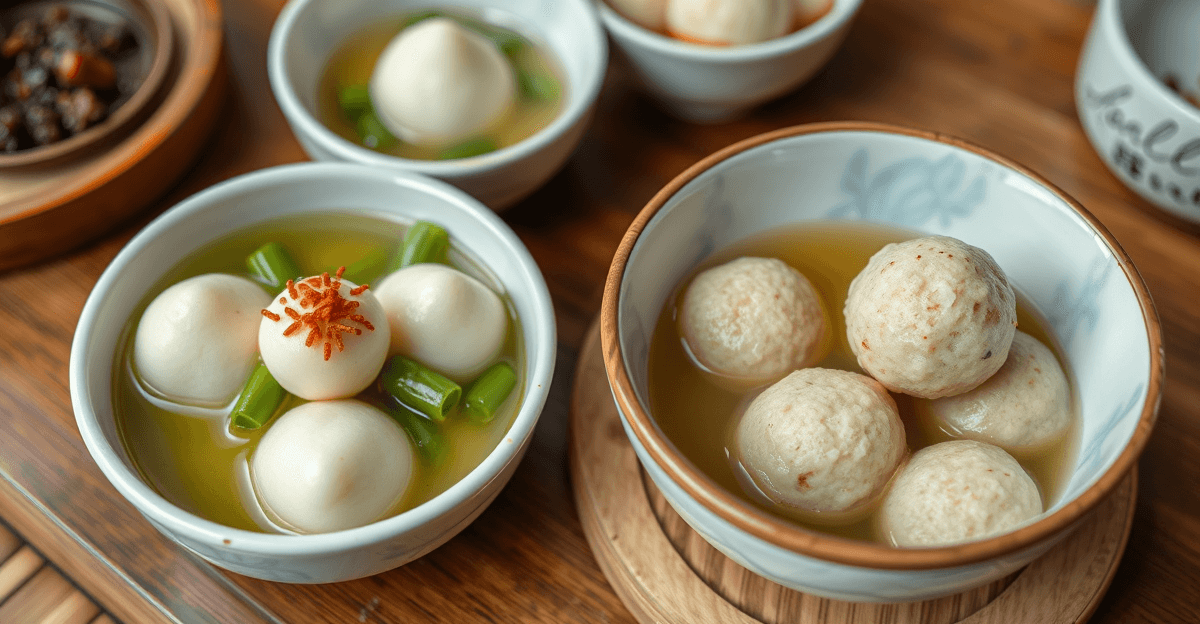
One of our favourite things about selling sweet potato balls at bazaars is watching someone try them for the first time. It happens a lot with our Muslim customers — they will pick up a bowl, take a bite, and immediately say something like, "Wait, this is Chinese? And it's halal?" Yes, and yes.
The truth is, many of Singapore's most beloved Chinese desserts have always been naturally halal-friendly. No pork, no lard, no alcohol — just beans, root vegetables, coconut milk, and rock sugar. The ingredients are humble and clean. It is the same food Chinese grandmothers have been making for generations, and it turns out it works beautifully across communities.
TL;DR — Key Takeaways
- Many classic Chinese desserts in Singapore are naturally halal-friendly, made from beans, root vegetables, and coconut milk
- Look for MUIS halal certification or verify directly with the vendor
- Top picks: green bean soup, sweet potato balls, cheng tng, bubur cha cha, tau suan
- Home-based makers offer a more personal, handmade alternative to hawker stalls
- Sweet potato balls are boiled and chewy — a different experience from fried versions
What Makes a Chinese Dessert Halal?
A Chinese dessert is halal when it contains no prohibited ingredients and is prepared in a clean, non-contaminated environment. In Singapore, the gold standard is MUIS certification — they inspect ingredients, preparation methods, and kitchen hygiene.
The good news: the vast majority of traditional Chinese sweet soups — tong sui — are plant-based by nature. Mung beans, sweet potatoes, barley, lotus seeds, pandan leaves, gula melaka, coconut milk — all halal. The main concerns are lard in pastry-style desserts, alcohol-based flavourings, or cross-contamination in kitchens that also handle pork.
The bottom line: A traditional Chinese sweet soup made with beans, root vegetables, or glutinous rice and no animal fats is almost certainly halal. But always verify with the vendor if formal MUIS certification matters to you.
The Ones to Try
Green Bean Soup (绿豆汤)
Simmered low and slow until the beans are tender and the broth turns a deep, earthy yellow. Mildly sweet, cooling, and traditionally enjoyed on warm days — which in Singapore means most days. In TCM, green beans are considered "cooling" foods that help reduce body heat.
Widely available at halal-certified hawker stalls. A good bowl costs around $1.50 to $2.50. It is one of the most affordable sweet treats in the city, and honestly, one of the most satisfying.
Sweet Potato Balls in Soup
These are a wonderful cross between a snack and a dessert. Made from sweet potato dough shaped into rounds and boiled until soft and chewy — that signature QQ bounce that keeps you reaching for the next one. Typically served in a light ginger syrup or green bean broth.
Unlike fried sweet potato balls (which are a different thing entirely), the boiled kind are tender, comforting, and lighter on the stomach. Naturally vegan and halal-friendly. If you are curious about how they compare to similar desserts, our post on sweet potato balls vs tang yuan breaks it down.
At Ah Ma QQ Bowl, we make them by hand in our Hougang kitchen — every batch rolled and prepared the old-fashioned way, just like we have been eating them in our family for years.
Cheng Tng (清汤)
Literally "clear soup" — a lightly sweetened broth packed with dried longan, lotus seeds, white fungus, barley, and agar strips. Humble dessert, complex flavour, hot or cold. Naturally vegan and halal. It has been a hawker staple for decades and for good reason.
Bubur Cha Cha
Loved across Peranakan and Chinese communities. Diced yam, sweet potato, and sago pearls in a rich coconut milk broth with pandan and sugar. The contrasting textures — soft yam, chewy sago, creamy broth — make every spoonful interesting. Inherently halal and widely available.
Tau Suan (豆爽)
A thick, sweet soup made from split mung beans in a starchy ginger-flavoured broth, often served with crispy you tiao on the side. The warm, gloopy soup with crunchy dough is deeply satisfying. One thing to watch: the you tiao may or may not be halal depending on the stall, so check before ordering.
Where to Find Them
Halal-Certified Hawker Stalls
Singapore's hawker culture is UNESCO-recognised heritage, and halal-certified dessert stalls are spread across the island. Popular hawker centres like Geylang Serai Market, Haig Road Market, and neighbourhood centres in Tampines, Bedok, and Hougang often have halal-friendly dessert options.
Look for the red-and-white MUIS halal certificate at the stall — certified stalls are required to display it by law. Prices are typically $1.50 to $3.50 per serving.
If you are hunting for dessert deals, platforms like WhyNotDeals sometimes feature food promotions worth checking before you head out.
Home-Based Dessert Makers
A growing number of home-based food businesses offer traditional Chinese desserts made in small batches. These are often family recipes passed down through generations — the kind of cooking you would find in an HDB kitchen on a Sunday afternoon, not a commercial factory.
When ordering from a home kitchen, ask about ingredients and preparation to confirm halal suitability. Our post on pasar malam desserts in Singapore also covers where homestyle desserts often make their first public appearance.
Online Delivery and Self-Collection
More home-based businesses now offer islandwide delivery, making it easy to enjoy handmade Chinese desserts without travelling. Especially convenient for families with elderly members or young children. If you are thinking about desserts as gifts, best food gifts in Singapore for every occasion has some genuinely thoughtful ideas.
How to Spot a Halal-Friendly Stall
Not every Muslim-friendly stall has formal MUIS certification, especially smaller hawkers or home-based businesses. A practical checklist:
- Look for the MUIS halal certificate (the gold standard)
- Ask about lard — traditional Chinese cooking sometimes uses it
- Check for pork-free claims — many stalls in mixed hawker centres are pork-free even without certification
- Ask about shared utensils with non-halal items
- For home-based sellers, ask about dedicated prep areas and equipment
Being direct and polite works well in Singapore. Most hawkers and home sellers are happy to answer.
Why Sweet Potato Balls Deserve a Spot on Your List
Among all the options, sweet potato balls in soup hold a special place for us. They are not just food — they are a sensory memory. The way the dough yields gently under your teeth, the warmth of the broth, the faint earthy sweetness of purple or orange sweet potato. It is the kind of dessert that brings you back to simpler times.
They are also one of the most inclusive desserts around: naturally vegan, gluten-free when made with the right starch, and gentle enough for all ages. Our post on vegan desserts in Singapore covers why sweet potato balls are a top pick for plant-based eaters too.
Whether you pick them up at a pasar malam, make them at home, or order from a trusted home baker, sweet potato balls are a reminder that the best desserts do not need to be complicated. They just need to be made with care.
A Shared Food Heritage
One of the beautiful things about Singapore's dessert culture is how it bridges communities. Many desserts that Chinese families have enjoyed for generations — barley soups, sweet bean broths, root vegetable stews — are shared and appreciated across ethnic communities precisely because the ingredients are naturally simple and clean.
As Singapore continues to evolve as a food city, it is heartening to see home-based businesses keeping these traditions alive. Handmade, small-batch, made with love in an HDB kitchen — that is a story worth supporting, no matter what community you come from.
Sources
Craving sweet potato balls?
Ah Ma's handmade taro sweet potato balls in green bean soup — soft, chewy, naturally gluten-free, no preservatives. Made fresh in our Hougang kitchen.
Frequently Asked Questions
Many traditional Chinese desserts are naturally halal, as they are made from plant-based ingredients like beans, sweet potatoes, glutinous rice, and coconut milk. However, not all stalls or shops are MUIS-certified halal. Muslim diners should look for the official MUIS halal certification or check with the vendor directly. Home-based and hawker-style stalls that use no pork, lard, or alcohol may also be Muslim-friendly, though formal certification varies.
Some of the most beloved halal Chinese desserts in Singapore include green bean soup, sweet potato balls in soup, cheng tng, tau suan, and bubur cha cha. These desserts are rooted in generations of hawker tradition and are widely available at halal-certified stalls across the island. Sweet potato balls — soft, chewy, and boiled — are increasingly popular as a comforting homemade alternative to commercial desserts.
Yes — a growing number of home-based and small-batch dessert makers in Singapore offer halal-friendly Chinese desserts for delivery or self-collection. This makes it easy to enjoy traditional treats without needing to travel to a hawker centre. When ordering online, always confirm the halal status with the seller and check their food handling practices for peace of mind.
Craving these? Order fresh from our Hougang kitchen
Soft, chewy sweet potato balls in warm green bean soup — handmade with real taro and green beans, no preservatives. Order online for delivery across Singapore.
Order NowRelated Articles
Vegan Chinese Desserts in Singapore: Plant-Based Sweet Treats Guide
Discover the best vegan Chinese desserts in Singapore — from sweet potato balls to green bean soup. A local guide to plant-based sweet treats worth trying.
Tang Yuan vs Sweet Potato Balls: What Makes Them Different in Singapore
Discover the key differences between tang yuan and sweet potato balls in Singapore. Learn what makes each dessert unique and find the perfect treat for you.
How to Reheat Frozen Sweet Potato Balls: Step-by-Step Guide for Perfect QQ Texture Every Time
Learn the best way to cook and reheat frozen sweet potato balls at home. Boiling, steaming, and soup methods explained step by step. Get that perfect chewy QQ texture in under 10 minutes.