
Sweet Potato Nutrition Facts: Why It Makes the Perfect Dessert Base
Discover why sweet potato is Singapore's healthiest dessert ingredient. Learn nutrition facts, health benefits, and how handmade sweet potato balls fit a balanced diet.
Ah Ma QQ Bowl
Published 27 May 2026
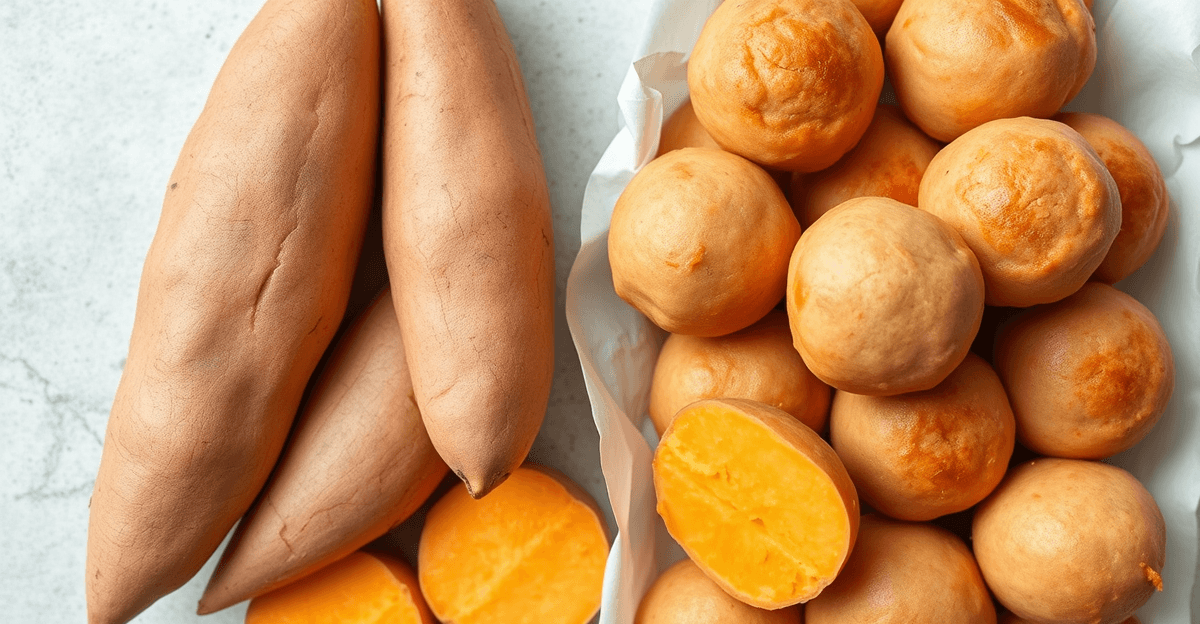
We get this question from customers all the time: "Is it really okay to eat sweet potato balls regularly?" Short answer — yes, and here's why. In the warm Singapore climate, where dessert cravings hit hardest after dinner, most of us reach for convenient hawker options without thinking about what's actually in them. Sweet potato — ubi, as it's known locally — has quietly become one of Southeast Asia's nutritional powerhouses, yet it's still underappreciated in modern dessert culture.
TL;DR: Discover why sweet potato is Singapore's healthiest dessert ingredient. Learn nutrition facts, health benefits, and how handmade sweet potato balls fit a balanced diet.
This post digs into why sweet potato makes such an exceptional dessert foundation, backed by actual nutrition science. And yes, we're biased — we make sweet potato balls for a living in our Hougang kitchen — but the numbers speak for themselves.
What Makes Sweet Potato Nutritionally Superior?
Sweet potato isn't just another carbohydrate. It's a complex food package that delivers multiple nutritional benefits simultaneously.
Micronutrient Density
A 100-gram serving of cooked sweet potato contains:
- Vitamin A (beta-carotene): 961 mcg—that's 107% of your daily requirement. Your eyes, immune system, and skin benefit directly from this antioxidant powerhouse.
- Potassium: 337 mg, supporting heart health and blood pressure regulation—crucial for Singaporeans managing desk-bound, stress-filled workdays.
- Vitamin C: 2.4 mg, aiding collagen formation and immune defence.
- Manganese: 0.26 mg, essential for bone health and metabolism.
- B vitamins: Particularly B6, supporting brain function and mood regulation.
Unlike refined desserts that spike blood sugar momentarily before crashing, sweet potato's nutrient profile sustains energy and supports multiple body systems simultaneously.
The Fibre Factor
Sweet potato contains approximately 3g of fibre per 100g serving. This soluble and insoluble fibre blend:
- Promotes digestive health (especially important in Singapore's humid climate where hydration and gut health interconnect)
- Slows carbohydrate absorption, preventing blood sugar spikes
- Feeds beneficial gut bacteria, supporting long-term metabolic health
- Creates satiety, meaning smaller portions satisfy cravings more completely
This is why traditional desserts prepared with whole sweet potato have sustained Asian cultures for centuries—the natural fibre provided complete satisfaction without excessive portions.
Sweet Potato vs. Common Singapore Dessert Alternatives
Hawker Centre Comparisons
Chendol (a popular green dessert): Rich in coconut milk and palm sugar, typically 150-200 calories per serving, with minimal nutritional value beyond empty calories.
Ais Kacang: While red beans offer some nutritional benefit, the shaved ice base and sweetened condensed milk add significant refined sugar without corresponding fibre or nutrient density.
Fried Youtiao or Banana Fritters: Deep-fried desserts absorb 10-15g of oil per 100g product, adding 90-135 empty calories from fat alone, plus trans fats from repeated frying oil.
Handmade boiled sweet potato balls in green bean soup: 60-100 calories per serving, packed with vitamins, minerals, and fibre, with zero absorbed frying oil. The boiling method—traditional across Asia—preserves nutrients better than deep-frying while creating that signature QQ (chewy) texture Singaporeans love.
Understanding Glycemic Index and Blood Sugar Impact
Sweet potato's glycemic index (GI) rates around 63—technically "medium GI," but this number tells an incomplete story.
Why GI Alone Misleads
The glycemic load (GL) accounts for portion size and fibre content. A typical 100g serving of sweet potato has a GL of only 17, meaning blood sugar impact is actually quite modest. The fibre slows carbohydrate absorption significantly.
Compare this to:
- White bread: GI 75, GL 10 (higher impact despite similar GL)
- Regular ice cream: GI 51 but GL varies wildly; many servings exceed safe portions
- Condensed milk-based drinks: GI 80+, no fibre to mitigate impact
For Singaporeans managing diabetes or pre-diabetes—increasingly common in our population—small portions of sweet potato-based desserts, enjoyed occasionally, sit firmly in the "acceptable" category when paired with protein or fat (like the peanuts sometimes added to traditional preparations).
The Antioxidant Advantage
Sweet potato's deep orange colour signals high antioxidant content, particularly carotenoids.
Why This Matters
Singaporeans face constant oxidative stress from:
- Air conditioning temperature fluctuations
- Urban pollution exposure
- Extended screen time
- Tropical sun exposure
Antioxidants combat free radical damage at the cellular level, reducing inflammation markers linked to chronic disease. A regular sweet potato-based dessert habit contributes meaningfully to this protection without pharmaceutical intervention.
The antioxidant content remains stable during boiling—unlike frying, which can degrade certain nutrients while creating new inflammatory compounds.
Fresh, Handmade Advantage in Singapore's Climate
There's significant difference between mass-produced desserts (sitting in hawker stalls for hours) and fresh preparations.
When sweet potato balls are handmade and delivered fresh from a Hougang home kitchen, as with traditional preparations, you're consuming:
- Peak nutrient content: Vitamins degrade over time; fresh-made means minimal storage loss
- No preservatives: Commercial additives extend shelf life but compromise nutritional integrity
- Proper texture: Boiled fresh sweet potato achieves that perfect QQ (chewy) texture while retaining full nutrient density
- Temperature control: Delivered fresh means enzymes remain active; your digestive system works efficiently with vibrant food
This matters in Singapore's humidity, where commercial desserts sitting under heat lamps lose nutritional value progressively.
Practical Integration Into Singapore Eating Culture
HDB Life Compatibility
For families living in typical HDB flats with limited kitchen space and time:
- Sweet potato-based desserts require minimal preparation stress
- They're portable (fitting easily in container stacks in typical Singapore fridges)
- They satisfy post-dinner cravings without the 20-minute queue at the hawker centre
- They're cost-effective for household budgets when purchased fresh from home-based sources
Cultural Continuity
Sweet potato desserts connect modern Singaporeans to ancestral food traditions. Your grandmother likely enjoyed ubi kayu (cassava) or ubi (sweet potato) based sweets—this isn't "health food," it's your cultural inheritance being reclaimed for nutrition.
Supporting Specific Health Goals
Weight Management
Sweet potato's fibre and nutrient density mean smaller portions satisfy cravings. Many Singaporeans find that 80-100g of sweet potato-based dessert (roughly a small bowl) completely eliminates cravings for larger, less nutritious alternatives.
Energy Stability
The complex carbohydrates release energy gradually. Unlike sugary desserts causing afternoon crashes, sweet potato-based treats sustain afternoon productivity—valuable for the typical Singapore work schedule.
Digestive Health
The resistant starch in cooled sweet potato (if chilled after boiling) feeds beneficial gut bacteria, supporting the microbiome health increasingly linked to immunity, mood, and metabolism.
Natural Beauty
Beta-carotene supports skin elasticity and glow from within. Regular consumption of sweet potato-based desserts visibly improves skin quality—relevant for image-conscious Singaporeans navigating tropical sun exposure.
How to Choose Quality Sweet Potato Desserts
Red Flags in Commercial Versions
- Artificial orange colouring (real sweet potato requires no additives)
- Excessive sweetness masking inferior ingredient quality
- Oily texture indicating deep-frying
- Stale taste suggesting long storage
Green Lights in Quality Products
- Natural sweet potato aroma
- Firm but chewy texture in boiled balls (not mushy, not rubbery)
- Clean ingredient lists: sweet potato, water, minimal added sugar
- Fresh delivery or immediate preparation visible
When selecting handmade sweet potato balls in green bean soup prepared fresh from home kitchens, you're supporting small businesses while ensuring nutritional integrity.
The Bottom Line: Why Sweet Potato Wins
Sweet potato succeeds as a dessert base because it satisfies simultaneously on multiple levels:
Nutritionally: Genuine nutrient density, not empty calories.
Culturally: Connects to Asian food traditions and family memories.
Practically: Suits Singapore's climate, pace, and HDB living realities.
Ethically: Supporting home-based businesses practising traditional preparation methods aligns with conscious consumption values increasingly important to Singaporeans.
In a city obsessed with optimization and efficiency, sweet potato-based desserts represent a rare win-win: genuinely enjoyable treats that actually support your health rather than compromise it.
The next time cravings hit after dinner, remember: you can choose dessert that tastes indulgent while delivering genuine nutrition. That's not restriction—that's intelligence.
Have you tried sweet potato-based desserts recently? Share your experience in the comments below—we'd love to hear how this traditional ingredient fits into your Singapore lifestyle.
Sources
Looking for more? Check out find more food deals on WhyNotDeals.
Craving sweet potato balls?
Ah Ma's handmade taro sweet potato balls in green bean soup — soft, chewy, naturally gluten-free, no preservatives. Made fresh in our Hougang kitchen.
Frequently Asked Questions
Yes, significantly. Sweet potato balls contain complex carbohydrates, fibre, and natural sweetness rather than refined sugar. Unlike fried desserts common in hawker centres, soft boiled sweet potato balls deliver nutrients without excessive oil absorption. A typical serving provides potassium, vitamin A, and manganese—making it a nutritionally superior choice compared to chendol or ais kacang.
A typical serving (about 100g) of boiled sweet potato balls contains 60-80 calories, depending on the soup base. This is considerably lower than fried alternatives like youtiao or deep-fried desserts. When paired with green bean soup—as served fresh from Hougang kitchens—the total dessert remains light and digestible, making it ideal for evening consumption without affecting sleep.
Sweet potato has a medium glycemic index (around 63) and offers significant fibre content that slows glucose absorption. However, portion control matters—a small serving of sweet potato balls in light syrup is preferable to large quantities. Those managing blood sugar should consult their doctor, but the natural sweetness and boiled preparation method makes it far better than refined sugar desserts.
Craving these? Order fresh from our Hougang kitchen
Soft, chewy sweet potato balls in warm green bean soup — handmade with real taro and green beans, no preservatives. Order online for delivery across Singapore.
Order NowRelated Articles
Sweet Potato Balls Recipe Tips: How to Get That Perfect QQ Texture
Master the art of making QQ sweet potato balls at home. Learn pro tips for achieving that perfect chewy texture. Inspired by traditional Hougang recipes.
Children-Friendly Desserts That Are Nutritious
Looking for children-friendly desserts in Singapore that are nutritious? Discover wholesome, low-sugar treats kids love — from sweet potato balls to fruit bowls.
Sweet Potato Health Benefits: Why Singapore Families Love This Superfood
Discover why Singapore families love sweet potato—packed with vitamins, fiber, and antioxidants. Learn health benefits and how to enjoy them as dessert.