
Sweet Potato Balls Recipe Tips: How to Get That Perfect QQ Texture
Master the art of making QQ sweet potato balls at home. Learn pro tips for achieving that perfect chewy texture. Inspired by traditional Hougang recipes.
Ah Ma QQ Bowl
Published 2 June 2026
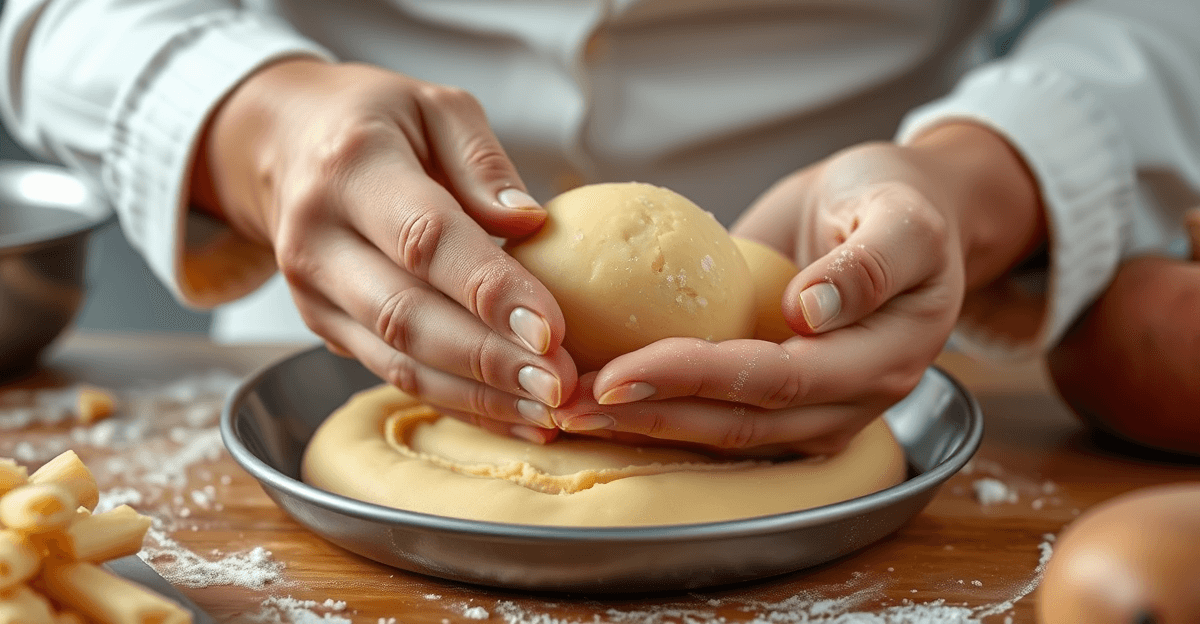
If you've ever bitten into a perfectly chewy sweet potato ball—that QQ texture that bounces gently between your teeth—you know exactly why this humble dessert has become a beloved staple across Singapore. Whether you've enjoyed them at your neighbourhood hawker centre or craved them during those lazy Sunday afternoons at home, achieving that elusive QQ texture is an art form that deserves proper technique.
TL;DR: Master the art of making QQ sweet potato balls at home. Learn pro tips for achieving that perfect chewy texture. Inspired by traditional Hougang recipes.
The good news? With the right understanding of ingredients, proportions, and method, you can master this traditional dessert in your own HDB kitchen.
Understanding the QQ Texture
Before we dive into the recipe, let's talk about what "QQ" actually means. This Cantonese onomatopoeia describes a texture that's firm yet yielding—chewy, springy, and ever-so-slightly resistant to your teeth. It's the opposite of mushy or overly soft.
The QQ texture is what separates an excellent sweet potato ball from a mediocre one. When you achieve it correctly, each ball should hold its shape beautifully during cooking, surrender gently when you bite, and have that satisfying bounce that keeps your mouth engaged.
In Singapore's dessert culture, QQ texture is paramount. We see it celebrated in bubble tea (QQ boba), grass jelly drinks, and especially in traditional sweet potato ball preparations. The difference between a hawker-quality dessert and a disappointingly soggy homemade version often comes down to texture control.
The Golden Ratio: Getting Your Proportions Right
The foundation of perfect QQ sweet potato balls lies in the dough composition. The ratio of sweet potato to starch is absolutely critical.
The Core Recipe
For approximately 24-30 balls:
- 200g orange sweet potato (steamed and mashed)
- 80g tapioca starch (cornstarch alone won't give you the same QQ effect)
- 20g all-purpose flour
- 30ml hot water
- Pinch of salt
- 1 teaspoon sugar (optional, enhances flavour)
The magic ratio here is roughly 2.5 parts sweet potato to 1 part tapioca starch. This is crucial. Too much sweet potato and your balls will fall apart during boiling. Too much starch and they'll become hard and unpalatable.
Why Tapioca Starch Matters
Tapioca starch (also called tapioca flour) is the secret weapon. Unlike regular cornstarch, tapioca creates that characteristic bouncy, chewy texture when cooked. You can find bags of tapioca starch at any Singapore supermarket—Cold Storage, Giant, NTUC, or your local wet market all stock it affordably.
The all-purpose flour acts as a structural binder and helps the balls maintain their integrity, but tapioca is your star player.
Step-by-Step Method for Perfect QQ Balls
Step 1: Prepare Your Sweet Potato
Choose medium-sized orange sweet potatoes from your nearest market. Avoid overly watery varieties, as this throws off your dough consistency.
Wash the sweet potato thoroughly and steam it for 15-20 minutes until completely soft. You can use a traditional bamboo steamer in your HDB kitchen, an electric steamer, or even a microwave-safe method (pierce and microwave for 8-10 minutes).
Once cool enough to handle, peel the skin away. The potato should be light and fluffy. Press it through a fine sieve or ricer while still warm—this breaks down any fibres and creates a smooth mash. Lumpy potato will result in uneven texture distribution in your dough.
Pro tip: Warm mashed sweet potato incorporates more smoothly with the starch, creating better cohesion in your final dough.
Step 2: Combine Dry Ingredients
Sift your tapioca starch, all-purpose flour, and salt together into a large mixing bowl. Sifting aerates the mixture and ensures even distribution of starch throughout—this is the step many home cooks skip, but it genuinely improves results.
Step 3: Create the Dough
Add your warm mashed sweet potato to the dry mixture. Using a fork or chopsticks (don't use your hands yet—the heat helps), gently fold the ingredients together.
Slowly add hot water, about 15ml at a time, mixing gently. The dough should come together gradually. You're aiming for a consistency that's soft and slightly sticky, but not wet. If it's too dry, the balls will crack during boiling. If it's too wet, they'll fall apart.
This is where experience helps. The exact water needed varies slightly depending on sweet potato moisture content and humidity in your kitchen. Singapore's tropical humidity means your dough might need slightly less water than recipes from drier climates.
Once it comes together, knead gently with your hands for 2-3 minutes until smooth and uniform. You should be able to pinch off a small piece and roll it smoothly without it cracking.
Step 4: Rolling the Balls
Here's where patience becomes your greatest asset. Pinch off pieces of dough roughly the size of a large marble (about 1.5cm diameter). Roll each between your palms with gentle, consistent pressure.
The key to even cooking—and thus even QQ texture—is uniform size. Inconsistent sizes mean some balls overcook while others undercook.
Lightly dust your work surface with tapioca starch (not flour) to prevent sticking. Place rolled balls on a baking tray lined with parchment paper, spacing them slightly apart.
Many Singaporean home cooks prepare balls in batches while watching their favourite drama or during TV time. It's meditative work that's perfect for relaxing evenings.
Step 5: The Crucial Cooking Step
Bring a large pot of water to a gentle boil. The water should be at a rolling boil but not violently bubbling—aggressive boiling can damage your delicate balls.
Working in batches (don't overcrowd the pot), gently drop the sweet potato balls into the water. They'll sink initially, then float to the surface. Once they float, cook for an additional 3-4 minutes.
You'll notice the balls will initially seem to expand slightly, then settle. This is normal. They should develop a slightly translucent appearance on the outside while remaining chewy inside.
Remove with a slotted spoon and place in a bowl of cold water immediately. This stops the cooking process and helps set that QQ texture. After cooling for about 30 seconds, transfer to your serving bowl.
Temperature control is absolutely vital here. Too-high heat causes uneven cooking and mushiness. Too-low heat means the starch doesn't gelatinise properly, leaving you with a grainy, unpleasant texture.
Serving Your QQ Balls: The Green Bean Soup Base
Sweet potato balls shine when served in a light, fragrant green bean soup—the traditional preparation that handmade traditional sweet potato balls delivered fresh from our Hougang home kitchen are known for.
Quick Green Bean Soup Recipe
- 100g dried green beans (soaked for 2 hours)
- 1.5 litres water
- 2-3 pieces rock sugar
- 1 piece dried pandan leaf (optional but authentic)
- Pinch of salt
Boil the soaked green beans for about 40 minutes until completely soft and the soup takes on a pale green colour. Add rock sugar in the final 10 minutes, and pandan leaf for fragrance. Serve hot or chilled, depending on Singapore's weather.
The subtle sweetness and light flavour of green bean soup provides the perfect backdrop for your QQ sweet potato balls, allowing the natural sweetness and chewy texture to shine.
Common Mistakes and How to Avoid Them
Mistake 1: Using Regular Cornstarch Instead of Tapioca Starch
Regular cornstarch produces a different texture—more powdery and less chewy. Tapioca starch is essential for authentic QQ texture. There's really no substitute.
Mistake 2: Incorrect Potato-to-Starch Ratio
Too much potato and your balls crumble. Too much starch and they're hard as pebbles. Stick to the 2.5:1 ratio until you become confident enough to experiment.
Mistake 3: Over-Kneading the Dough
Unlike bread dough, sweet potato ball dough doesn't benefit from vigorous kneading. Overworking it develops gluten in the all-purpose flour, creating a tougher texture. Gentle 2-3 minute kneading is plenty.
Mistake 4: Inconsistent Ball Sizes
This is perhaps the most common home-cook error. Varying sizes cook unevenly. Take time to roll balls of consistent diameter. Your palate will thank you.
Mistake 5: Overcooking in the Water
More than 4 minutes after floating, and you're edging toward mushiness. Set a phone timer. It's that important.
Storage and Make-Ahead Tips
You can prepare uncooked sweet potato balls up to 24 hours ahead in Singapore's humid climate by freezing them on a tray, then transferring to an airtight container or freezer bag.
To serve, boil directly from frozen—add just 1-2 minutes to your cooking time. This actually works beautifully and is how many busy Singaporean home cooks manage batch preparation for gatherings.
Cooked balls are best served immediately, but can be refrigerated in their soup base for up to 2 days. Simply reheat gently before serving.
Why This Traditional Skill Matters
In Singapore's fast-paced food culture, there's something genuinely special about understanding the techniques behind traditional desserts. While you can certainly grab sweet potato balls from a hawker or order delivery, learning to make them yourself connects you to a culinary heritage that's been refined over generations.
Every Singaporean grandmother with a reputation for exceptional sweet potato balls has her own small tweaks and preferences—slightly different ratios, her own way of controlling heat, subtle additions to the soup. Creating your own version in your HDB kitchen becomes your personal culinary signature.
Final Thoughts
Achieving perfect QQ texture in homemade sweet potato balls is entirely achievable with attention to ingredient ratios, temperature control, and technique. Start with the recipe provided, follow the steps precisely, and don't be discouraged if your first batch isn't perfect. Each attempt teaches you something about how your dough behaves, how your stove cooks, and how the humidity in your kitchen affects the process.
The beauty of this dessert is its simplicity—just a few humble ingredients transform into something genuinely delicious when executed with care. That QQ bounce, that gentle chew, that satisfaction with every bite—it's worth the attention to detail.
Your next batch of sweet potato balls awaits. Make them count.
Sources
Ah Ma QQ Bowl is a home-based dessert business in Hougang, Singapore, specialising in handmade sweet potato balls served in traditional green bean soup. Made fresh from our kitchen to your table.
Craving sweet potato balls?
Ah Ma's handmade taro sweet potato balls in green bean soup — soft, chewy, naturally gluten-free, no preservatives. Made fresh in our Hougang kitchen.
Frequently Asked Questions
QQ (pronounced 'chew-chew') refers to that bouncy, chewy, slightly springy mouthfeel—a texture Singaporeans absolutely love in desserts. It's the sweet spot between firm and soft, where each bite has a gentle resistance and releases flavour slowly. You'll find this texture in the best sweet potato balls across Singapore's hawker centres and home kitchens alike.
Yes! You can prepare the dough the night before and store it in an airtight container in the fridge for up to 24 hours. However, for the best QQ texture, it's ideal to boil them fresh just before serving. Many home cooks in Singapore batch-cook and freeze uncooked balls, then boil from frozen—adding just 2-3 minutes extra cooking time.
This usually happens when the dough lacks enough tapioca starch or when the ratio of sweet potato to flour is too high. It can also occur if you're boiling at too high a temperature or for too long. The key is getting the starch-to-potato ratio right and maintaining a gentle, rolling boil rather than a vigorous one.
Craving these? Order fresh from our Hougang kitchen
Soft, chewy sweet potato balls in warm green bean soup — handmade with real taro and green beans, no preservatives. Order online for delivery across Singapore.
Order NowRelated Articles
15 Traditional Singaporean Desserts Every Local Should Try
Explore 15 traditional Singaporean desserts — from chendol and bubur cha-cha to handmade sweet potato balls. Discover hawker classics, recipes, and where to order them in Singapore.
How Frozen Dessert Delivery Works in Singapore: From Kitchen to Your Door
Discover how frozen dessert delivery works in Singapore. Learn the process from home kitchen to doorstep, plus why handmade sweet potato balls are worth the wait.
Sweet Potato Nutrition Facts: Why It Makes the Perfect Dessert Base
Discover why sweet potato is Singapore's healthiest dessert ingredient. Learn nutrition facts, health benefits, and how handmade sweet potato balls fit a balanced diet.