
Where to Order Traditional Singapore Desserts Online in 2026
Looking for authentic handmade traditional Singapore desserts delivered to your door? Here's how to find the real thing — and why homemade quality makes all the difference.
Ah Ma QQ Bowl
Published 21 May 2026
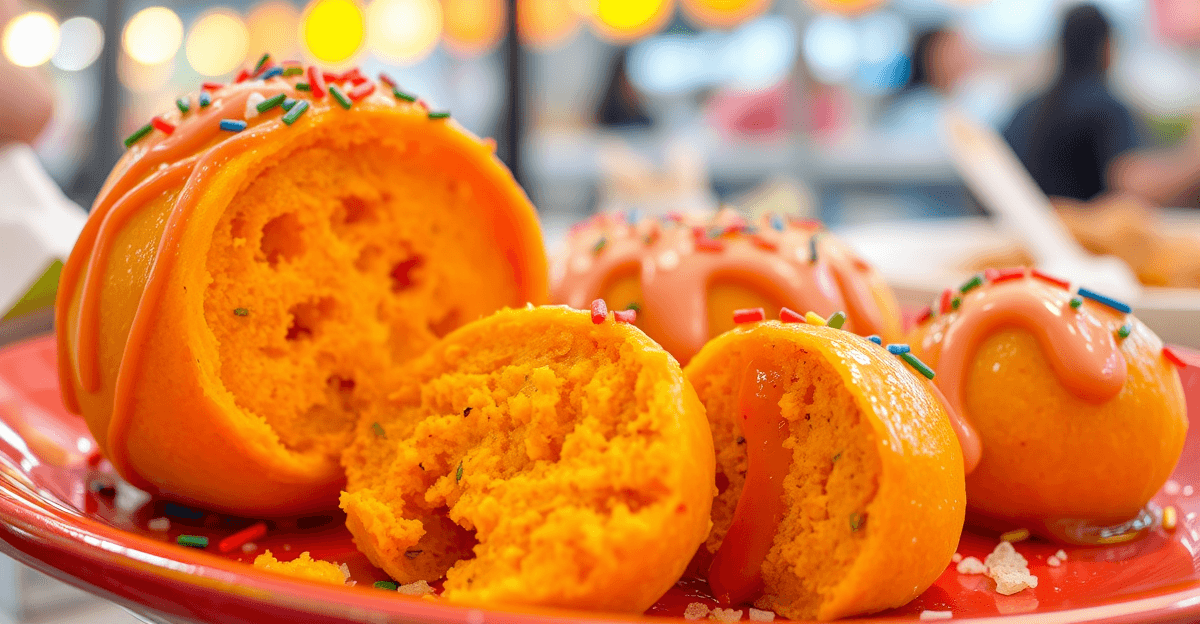
Let us be honest about something. Most of what gets labelled "traditional Singapore dessert" today has very little to do with what your grandmother actually made.
TL;DR: Looking for authentic handmade traditional Singapore desserts delivered to your door? Here's how to find the real thing — and why homemade quality makes all the difference.
The tang sui you buy from the food court uses pre-packaged mixes. The cheng tng from the hawker chain is sweetened with syrup instead of rock sugar. The green bean soup from the supermarket dessert stall was made in a factory, chilled, reheated, and sold to you in a plastic cup. It looks roughly right. It satisfies a vague craving. But if you have ever tasted the real version — made from scratch, by someone who learned how from someone who learned how from someone else — you know immediately that it is not the same thing.
The good news is that in 2026, finding the real thing is easier than it has ever been. Singapore's home-based food movement has grown substantially, and small producers making traditional desserts the proper way are now reachable with a few taps on your phone. You just have to know what to look for.
What "Traditional" Actually Means
The word gets used loosely, so it is worth being specific.
A truly traditional Singapore dessert has a few defining characteristics.
It uses whole, unprocessed ingredients. Real mung beans, not mung bean powder. Real sweet potato, mashed by hand and worked into the dough. Rock sugar, not refined white sugar. Pandan leaves, not flavouring. The ingredient list should be short and recognisable.
It is made fresh, not preserved. Traditional desserts like green bean soup, bubur cha cha, and sweet potato balls do not have a long shelf life by design. They are made to be eaten the same day, maybe the next. When a product has a shelf life measured in weeks, something has been added or something has been removed to make that happen.
It reflects a method that was passed down. The ratio of water to beans. The timing of when the sugar goes in. The way the dough should feel between your fingers. These things are learned through practice and observation, not from a recipe card in a factory. Traditional food carries the knowledge of the person who made it.
It does not optimise for mass production. A grandmother making green bean soup is not thinking about throughput or portion cost control. She is thinking about whether it tastes right. This is an enormous difference, and it shows in the final product every single time.
The Problem with Commercial Versions
Commercial dessert producers are not bad people. They are operating under constraints that make it essentially impossible to deliver truly traditional quality at scale.
When you need to produce 500 litres of green bean soup a day, you cannot soak beans overnight in small batches. You cannot taste the soup three times and adjust the sugar gradually. You cannot have a person rolling sweet potato balls one at a time, testing the dough texture between their palms. You need standardised inputs, consistent outputs, and a process that runs the same way every shift regardless of who is on duty.
This is why commercial desserts end up using pre-mixes, more sugar (sugar is a preservative and a flavour enhancer), thickeners to create the right mouthfeel without the slow simmer, and artificial pandan flavouring because real pandan leaves require handling and degrade quickly.
None of this is deceptive. It is just the reality of making food at scale. But it means the product you get is a standardised approximation of the traditional version, not the traditional version itself.
If you are okay with an approximation, the food court is perfectly fine. If you want the real thing, you need to look elsewhere.
What to Look for When Ordering Online
When you are looking for traditional Singapore desserts online, here are the questions worth asking.
Who is making it and how? A home-based food producer making small batches to order is more likely to be using traditional methods than a commercial kitchen producing in bulk. Look for producers who are explicit about their process — how the dough is made, what ingredients they use, how they source their produce.
Is it made to order? Fresh-to-order is a strong signal of quality. It means the maker is not pre-cooking large batches and selling from stock. It takes longer, but the result is food that has not been sitting in a chiller or reheated multiple times.
Are the ingredients listed clearly? A genuine small-batch traditional dessert should have a very short ingredient list. If you see stabilisers, artificial flavours, or ingredients you cannot picture in their raw form, that is a sign the product has been commercially processed.
Does the maker have a genuine connection to the food? The best small producers of traditional food usually have a personal story behind what they make — a family recipe, a grandmother who taught them, a childhood memory they are trying to recreate for other people. This is not marketing fluff. It is a signal that the person cares about getting it right beyond just making a sale.
Home-Based Food Makers: The Best Source
Singapore's home-based food scene has become one of the most interesting corners of the local food economy. Driven partly by the rise of food delivery platforms and partly by a growing consumer appetite for authentic, artisanal food, home-based producers are now making and selling traditional food that would have been almost impossible to find commercially ten years ago.
The category spans an enormous range: kueh makers who source natural colouring from butterfly pea flowers, curry puff aunties who make their pastry from scratch every morning, chee cheong fun producers who grind their own rice. And dessert makers who do what their grandmothers did — slowly, carefully, in a home kitchen that smells like pandan and caramelised sugar.
Ah Ma QQ Bowl sits squarely in this tradition. Operating from a home kitchen in Hougang, every batch of sweet potato balls is made fresh using real sweet potato worked into the dough by hand, paired with green bean soup made the slow way — beans soaked, simmered long, sweetened with rock sugar and scented with fresh pandan. Orders are made to order, in small batches, so nothing sits around losing its texture or flavour.
It is not the fastest or cheapest way to run a food business. But it is the only way to consistently deliver the quality that the food deserves.
Other Traditional Desserts Worth Seeking Out
While sweet potato balls and green bean soup are among the most distinctive traditional Singapore desserts, the category is wonderfully wide. Here are a few others worth seeking out from proper small-batch makers.
Cheng tng. A clear sweet soup with multiple components — longans, barley, white fungus, lotus seeds, dried longan, and pandan jelly — served warm or at room temperature. It is cooling, lightly sweet, and texturally fascinating. The best versions are made with carefully sourced dried ingredients and a light rock sugar syrup.
Bubur cha cha. A coconut milk-based dessert with chunks of sweet potato, yam, and small sago pearls. The colours are vivid — orange, purple, white — and the coconut milk should be freshly extracted or at minimum a full-fat, unsweetened version that has not been diluted. It is rich, tropical, and deeply satisfying.
Lor mai chi. Glutinous rice balls coated in desiccated coconut or toasted peanut crumbs, with a filling of sweetened peanut, sesame, or red bean. Good lor mai chi has a dough that is soft without being gummy and a filling that is sweet but not cloyingly so.
Tau suan. Split mung bean soup thickened with sweet potato starch, topped with you tiao (fried dough fritters). This one is harder to find done well — the thickening needs to be exactly right, neither too starchy nor too loose — but a good bowl is an extraordinary thing.
For each of these, the difference between a home-made version and a commercial one is enormous. The investment in seeking out small-batch makers is worth it every single time.
How to Order
Finding home-based traditional dessert makers in Singapore is easier than it was even two years ago. Instagram remains the primary discovery channel — search for terms like "homemade traditional dessert Singapore", "small batch kueh", or specific dessert names. Carousell has a food section. Platforms like Oddle and FoodPanda increasingly feature home-based producers.
When you find a maker who meets the quality criteria above, support them. Order regularly. Tell your friends. The economics of small-batch traditional food are fragile — these are often one- or two-person operations running on passion and word of mouth. Every order keeps the grandmother-standard alive a little longer.
And if sweet potato balls in warm green bean soup sounds like your kind of thing — the soft chewiness, the gentle sweetness, the nostalgic warmth of a bowl that tastes like it was made for you specifically — Ah Ma QQ Bowl takes orders online with delivery across Singapore. Small batches. Made fresh. The way ah ma would have wanted it.
Ah Ma QQ Bowl makes handmade sweet potato balls in green bean soup from our Hougang home kitchen. Small-batch, made to order, delivered across Singapore. Order at ahmaqqbowl.com.
Sources
Looking for more? Check out find more food deals on WhyNotDeals.
Craving sweet potato balls?
Ah Ma's handmade taro sweet potato balls in green bean soup — soft, chewy, naturally gluten-free, no preservatives. Made fresh in our Hougang kitchen.
Frequently Asked Questions
Yes. Several home-based food businesses and small producers in Singapore offer traditional desserts online with island-wide delivery. Ah Ma QQ Bowl, for example, makes handmade sweet potato balls in green bean soup fresh to order from their Hougang home kitchen, with delivery across Singapore. Ordering directly from a home-based maker is usually the best way to get truly fresh, made-from-scratch quality.
Commercial versions of traditional desserts are optimised for shelf life and production speed, which often means more sugar, stabilisers, and shortcuts in the cooking process. A home-based maker uses the same methods a grandmother would — fresh ingredients, no preservatives, smaller batches made to order so nothing sits around. The difference in taste and texture is usually immediate and obvious.
Sweet potato balls in green bean soup is one of the most approachable and distinctive traditional Singapore desserts for first-timers. It is not too sweet, the texture is pleasantly chewy and comforting, and the combination of the balls with the soup creates a balance of flavours that is hard to find in any other dessert. It is also one of the desserts most commonly diluted by commercial shortcuts, which makes sourcing it from a proper small-batch maker especially worthwhile.
Craving these? Order fresh from our Hougang kitchen
Soft, chewy sweet potato balls in warm green bean soup — handmade with real taro and green beans, no preservatives. Order online for delivery across Singapore.
Order NowRelated Articles
Children-Friendly Desserts That Are Nutritious
Looking for children-friendly desserts in Singapore that are nutritious? Discover wholesome, low-sugar treats kids love — from sweet potato balls to fruit bowls.
Red Bean Soup With Sweet Potato Balls: Classic Combination
Discover why red bean soup with sweet potato balls is Singapore's most comforting dessert combo, with a homemade recipe, tips and where to order fresh QQ balls.
Halal Chinese Desserts in Singapore: Where to Find and What to Try
Discover the best halal Chinese desserts in Singapore — from green bean soup to sweet potato balls. Your Muslim-friendly guide to traditional Chinese sweets.