
How to Reheat Frozen Sweet Potato Balls: Step-by-Step Guide for Perfect QQ Texture Every Time
Learn the best way to cook and reheat frozen sweet potato balls at home. Boiling, steaming, and soup methods explained step by step. Get that perfect chewy QQ texture in under 10 minutes.
Ah Ma QQ Bowl
Published 6 May 2026
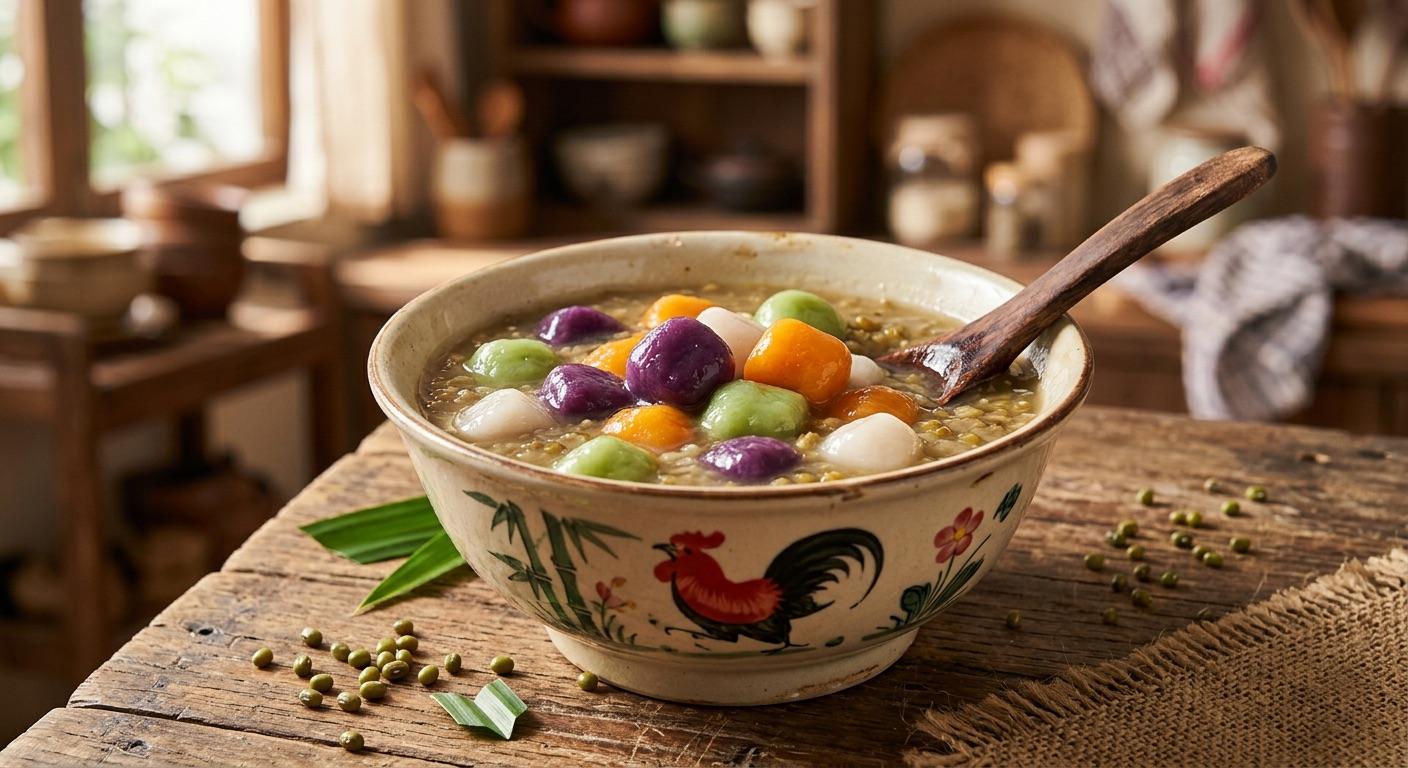
You've just received your bag of frozen sweet potato balls from us. They're sitting in your freezer, waiting to become the warm, chewy dessert you've been craving. But we know there's always that moment of hesitation — especially if it's your first order: "How do I cook these without ruining the texture?" Don't worry. We include instructions with every order, but here's the full breakdown with all our kitchen tips.
TL;DR: Learn the best way to cook and reheat frozen sweet potato balls at home. Boiling, steaming, and soup methods explained step by step. Get that perfect chewy QQ texture in under 10 minutes.
It is a fair question. Sweet potato balls rely on tapioca starch for their signature QQ (chewy) texture, and tapioca starch is finicky. Cook it too long and you get mush. Undercook it and you get a starchy, grainy centre. Use the wrong method and you end up with something that barely resembles the bouncy, satisfying dessert you were expecting.
This guide covers everything you need to know about cooking frozen sweet potato balls at home. We will walk through the boiling method (fastest and most reliable), the soup method (for serving in green bean soup or dessert soups), and common mistakes that ruin the texture. By the end, you will have it down to a simple routine that takes under 10 minutes from freezer to bowl.
Why Cooking Method Matters for QQ Texture
The chewy texture of sweet potato balls comes from tapioca starch. When heated in water, tapioca starch undergoes gelatinisation -- the granules absorb water and swell, creating that translucent, bouncy, elastic texture that Singaporeans call QQ.
This process needs two things: consistent heat and adequate water contact. That is why boiling works so well. The ball is surrounded by hot water, which heats it evenly from all sides. The starch gelatinises uniformly, giving you that smooth, chewy bite all the way through.
Microwaving, by contrast, heats from the outside in with uneven hot spots. The exterior overcooks while the centre stays cold and starchy. Air frying dries out the surface. And defrosting before cooking causes the starch to absorb moisture unevenly, leading to a sticky, misshapen result.
The short version: boiling from frozen is the way to go. It is also the easiest method, which is a welcome coincidence.
Method 1: Boiling (Recommended -- 8 Minutes)
This is the standard method and produces the best results for eating sweet potato balls on their own, with sugar syrup, or as a topping for shaved ice.
What You Need
- A pot large enough to hold water with the balls floating freely
- Enough water to cover the balls by at least 5 centimetres
- A slotted spoon or strainer
- Your frozen sweet potato balls
Step-by-Step Instructions
Step 1: Bring water to a rolling boil. Fill your pot with water and bring it to a full, vigorous boil. Do not add the balls to lukewarm water -- this causes uneven cooking and sticking.
Step 2: Add the frozen sweet potato balls directly. Do not thaw them. Drop them gently into the boiling water one at a time or in small batches. If you are cooking a large quantity (more than 20 balls), cook in batches to avoid overcrowding and dropping the water temperature too much.
Step 3: Stir gently within the first 30 seconds. Give them a single gentle stir immediately after adding them to prevent sticking to the bottom of the pot. Do not stir vigorously -- they are fragile when first going in.
Step 4: Wait for them to float. The balls will sink initially. As the starch cooks and the interior heats, they become less dense and float to the surface. This takes about 4-5 minutes depending on size.
Step 5: Cook for 1-2 more minutes after floating. Once they float, let them continue boiling for an additional 1-2 minutes. This ensures the centre is fully cooked through. Total cook time from frozen is approximately 6-8 minutes.
Step 6: Remove and serve immediately. Use a slotted spoon to lift the balls out of the water. Serve them right away for the best texture. If serving with syrup, transfer them directly into your sugar syrup or dessert soup.
How to Know They Are Done
A properly cooked sweet potato ball will be:
- Floating at the surface
- Slightly translucent on the outside (less opaque than when frozen)
- Soft and bouncy when pressed gently with a spoon
- Uniformly chewy throughout when bitten (no hard or starchy centre)
If you cut one open, the interior should look uniform in colour with no white, powdery starch visible in the centre.
Method 2: Cooking in Green Bean Soup (10-12 Minutes)
If you are serving sweet potato balls in green bean soup or another dessert soup, you can cook them directly in the soup itself. This infuses the balls with the flavour of the soup and means fewer dishes to wash.
Step-by-Step Instructions
Step 1: Heat your green bean soup until simmering. Bring your pot of green bean soup to a gentle simmer -- you want small bubbles, not a vigorous boil, since aggressive boiling can break up the green beans and make the soup cloudy.
Step 2: Add frozen sweet potato balls. Drop them directly into the simmering soup. The soup temperature will drop slightly, which is fine.
Step 3: Increase heat briefly. Bring the soup back up to a gentle boil, then reduce to a simmer.
Step 4: Simmer for 8-10 minutes. The balls take slightly longer to cook in soup compared to plain water because the soup is denser and often maintained at a lower temperature. Stir very gently once or twice to prevent sticking.
Step 5: Check for doneness. The balls should be floating and tender when pressed. Let them simmer 1-2 extra minutes after floating.
Step 6: Serve hot. Ladle the soup with the sweet potato balls into bowls. The balls will continue to absorb a small amount of soup flavour as they sit, which makes them even better.
Tips for the Soup Method
- Do not add too many balls at once -- keep the pot uncrowded so the soup temperature stays high enough
- If your soup is very thick (like a concentrated red bean soup), thin it slightly with water before adding the balls
- Sweet potato balls served in soup stay soft longer because the warm liquid prevents the starch from firming up
Method 3: Steaming (12-15 Minutes)
Steaming is an alternative if you prefer a slightly firmer texture or want to serve the balls without any liquid. It takes longer but produces good results.
Step-by-Step Instructions
Step 1: Set up your steamer. Fill the base pot with water and bring to a boil. Line the steamer tray with baking paper to prevent sticking, or lightly grease the tray.
Step 2: Arrange frozen balls on the tray. Space them at least 2 centimetres apart -- they expand slightly as they cook and will stick together if touching.
Step 3: Steam for 12-15 minutes on high heat. Keep the lid on and avoid opening it during the first 10 minutes. The steam needs to stay trapped for even cooking.
Step 4: Check doneness. Press gently with a spoon -- they should feel soft and yielding, not firm or hard. If still firm in the centre, steam for another 2-3 minutes.
Step 5: Serve or transfer to syrup. Steamed balls have a slightly drier surface than boiled ones, so they pair well with a drizzle of gula melaka syrup or pandan sugar syrup.
Common Mistakes That Ruin the Texture
Mistake 1: Thawing Before Cooking
This is the most common error. It seems logical to defrost first, but thawing causes the surface starch to hydrate unevenly, leading to a sticky exterior and misshapen balls. The starch also starts to break down at room temperature, which destroys the QQ texture. Always cook from frozen.
Mistake 2: Using a Microwave
Microwaving produces uneven results because the electromagnetic waves heat water molecules inconsistently throughout the ball. You end up with hot, overcooked spots and cold, starchy spots. The exterior often becomes tough and rubbery while the centre stays raw. It takes the same amount of time as boiling, so there is no convenience advantage -- just worse results.
Mistake 3: Overcooking
Once the balls are floating and have been simmering for the recommended time, they are done. Continuing to cook them past this point breaks down the starch network and turns the QQ texture into soft, formless mush. When in doubt, test one by biting into it. If it is uniformly chewy with no hard centre, they are ready.
Mistake 4: Overcrowding the Pot
If you dump an entire bag of 30 balls into a small pot, the water temperature drops dramatically, and the balls sit touching each other at the bottom. This leads to uneven cooking and sticking. Cook in batches of 10-15 for best results, or use a large pot with plenty of water.
Mistake 5: Letting Cooked Balls Sit in Cold Water or Air
After cooking, sweet potato balls begin to firm up as they cool. If you leave them in cold water or let them sit on a plate at room temperature, the starch retrogrades and they become hard. Serve immediately, or keep them warm in sugar syrup or warm soup.
How to Store and Reheat Leftover Cooked Sweet Potato Balls
Sometimes you cook more than you can eat in one sitting. Here is how to handle leftovers without wasting them.
Short-Term Storage (Same Day)
Keep cooked sweet potato balls submerged in warm sugar syrup or warm soup. They will stay soft for 2-3 hours at room temperature. Do not refrigerate them if you plan to eat them the same day -- cold temperatures cause the starch to harden rapidly.
Reheating Hardened Cooked Balls
If your cooked sweet potato balls have cooled and firmed up (left out overnight, for example), you can restore their texture with a quick re-boil:
- Bring a small pot of water to a rolling boil
- Add the hardened balls
- Boil for 1-2 minutes until they soften and become bouncy again
- Remove and serve immediately
This will not be quite as perfect as freshly cooked, but it brings back most of the QQ texture. Do not microwave hardened balls -- it makes them even tougher.
Can You Re-Freeze Cooked Sweet Potato Balls?
We do not recommend it. Re-freezing cooked balls changes the starch structure permanently and produces a grainy, unpleasant texture when reheated again. Cook only what you plan to eat.
Serving Suggestions
Now that you have perfectly cooked sweet potato balls, here are some ways to enjoy them:
Classic: In green bean soup. This is the traditional pairing and the most popular way to eat sweet potato balls in Singapore. The warm, subtly sweet soup with pandan fragrance complements the chewy texture beautifully. See our green bean soup guide for the full recipe.
With gula melaka syrup. Drizzle warm palm sugar syrup over freshly boiled balls. The deep caramel flavour of gula melaka pairs perfectly with the mild sweetness of sweet potato and taro. Add a splash of coconut milk for extra richness.
As a dessert topping. Add cooked sweet potato balls to shaved ice, ice kachang, or chendol. The contrast between cold ice and warm, chewy balls creates an exciting textural experience.
In soy milk or peanut soup. Drop the balls into warm soy milk sweetened with rock sugar, or into a bowl of peanut soup. Both are traditional dessert pairings that work wonderfully.
On their own as a snack. Freshly boiled sweet potato balls are satisfying on their own -- warm, chewy, and naturally sweet from the sweet potato. Perfect for a rainy day comfort snack.
Quick Reference: Cooking Times at a Glance
Boiling from frozen: 6-8 minutes total (until floating + 1-2 minutes extra)
In soup from frozen: 8-10 minutes total (gentler heat means slightly longer)
Steaming from frozen: 12-15 minutes total
Re-boiling hardened cooked balls: 1-2 minutes
Microwave: Not recommended
Troubleshooting Common Issues
Balls stuck together after cooking: You overcrowded the pot or did not stir gently in the first 30 seconds. Next time, cook in smaller batches and give one gentle stir immediately after adding them.
Centre is still hard/starchy: Undercooked. Return to boiling water for 2-3 more minutes. This happens most often when the water temperature drops too much from overcrowding.
Balls are mushy/falling apart: Overcooked or water was at too vigorous a boil for too long. Reduce cook time by 1-2 minutes next batch, or lower the heat to a gentle boil rather than an aggressive rolling boil.
Surface is sticky/slimy: Usually caused by thawing before cooking, or from leaving cooked balls sitting in starchy cooking water too long. Cook from frozen and remove promptly once done.
Balls cracked or split open: The temperature difference between frozen centre and boiling water occasionally causes surface cracks on larger balls. This is cosmetic and does not affect taste or texture. To minimise it, ensure your water is at a steady boil (not wildly aggressive) when adding the balls.
Where to Buy Frozen Sweet Potato Balls in Singapore
If you are looking for high-quality frozen sweet potato balls to cook at home, Ah Ma QQ Bowl delivers handmade taro sweet potato balls islandwide. Our balls are made fresh in small batches in our Hougang kitchen using just sweet potato, taro, tapioca starch, and a touch of sugar -- no preservatives, no artificial colours, and completely plant-based.
Each bag arrives frozen and ready to cook using any of the methods above. We recommend the boiling method for your first time -- it is foolproof and takes under 10 minutes from freezer to bowl.
Check our ordering guide for delivery details, or browse our full product range to see what is available this week.
Final Tips for Perfect Results Every Time
- Cook from frozen. Never thaw first. This is the single most important rule.
- Use plenty of water. The more water in the pot, the less the temperature drops when you add frozen balls.
- Do not overcrowd. Cook in batches of 10-15 for even results.
- Watch for floating. That is your primary doneness indicator.
- Serve immediately. QQ texture is best within the first 5 minutes of cooking.
- Keep warm in syrup or soup. If you cannot serve right away, warm liquid prevents hardening.
- Re-boil if hardened. A quick 1-2 minute dip in boiling water restores texture.
Sweet potato balls are one of the most forgiving desserts to prepare at home. Once you get the boiling method down, it becomes a 10-minute routine that consistently produces warm, chewy, satisfying results. No baking skill required. No special equipment needed. Just a pot, water, and a bag of frozen balls from the freezer.
Ready to try it? Order your first bag of frozen sweet potato balls and put this guide to the test. Your next warm, QQ dessert moment is literally 10 minutes away.
Sources
Craving sweet potato balls?
Ah Ma's handmade taro sweet potato balls in green bean soup — soft, chewy, naturally gluten-free, no preservatives. Made fresh in our Hougang kitchen.
Frequently Asked Questions
Boil frozen sweet potato balls for 6-8 minutes from frozen. Drop them directly into a rolling boil without thawing first. They are ready when they float to the surface and have been boiling for an additional 1-2 minutes after floating. Do not overcook them or they will lose their signature chewy QQ texture and become mushy.
No. Cook frozen sweet potato balls directly from frozen -- do not thaw them first. Thawing causes the tapioca starch to become sticky and the balls may lose their shape or clump together. Going straight from freezer to boiling water gives you the best texture every time.
We do not recommend microwaving sweet potato balls. Microwaving heats unevenly and causes the tapioca starch to develop a tough, rubbery exterior while remaining cold inside. The boiling method takes under 10 minutes and produces far superior results with the proper soft, chewy QQ texture throughout.
Serve sweet potato balls immediately after cooking for the best texture. If you cannot serve right away, keep them in warm sugar syrup or green bean soup to maintain their softness. They will gradually firm up as they cool. Do not refrigerate cooked sweet potato balls as they will harden. If they do harden, a quick 1-2 minute re-boil will restore the chewy texture.
Frozen sweet potato balls can be stored in the freezer for up to 3 months without significant quality loss. Keep them in an airtight container or sealed freezer bag to prevent freezer burn. At Ah Ma QQ Bowl, we recommend consuming within 1 month for the freshest taste. Always check that they remain individually separated in the bag -- if they have frozen into a solid clump, gently tap the bag to separate before cooking.
Craving these? Order fresh from our Hougang kitchen
Soft, chewy sweet potato balls in warm green bean soup — handmade with real taro and green beans, no preservatives. Order online for delivery across Singapore.
Order NowRelated Articles
Halal Chinese Desserts in Singapore: Where to Find and What to Try
Discover the best halal Chinese desserts in Singapore — from green bean soup to sweet potato balls. Your Muslim-friendly guide to traditional Chinese sweets.
Tang Yuan vs Sweet Potato Balls: What Makes Them Different in Singapore
Discover the key differences between tang yuan and sweet potato balls in Singapore. Learn what makes each dessert unique and find the perfect treat for you.
How to Throw a Dessert Party at Home in Singapore (2026 Guide)
Plan the perfect dessert party at home in Singapore — from portion planning to beating the heat. Includes heritage, modern, and frozen dessert ideas that wow guests.