
Best Tang Yuan Alternatives in Singapore: Sweet Potato Balls and More
Craving a soft, chewy warm dessert? Discover the best traditional dessert alternatives in Singapore, from sweet potato balls to mochi desserts and more.
Ah Ma QQ Bowl
Published 22 May 2026
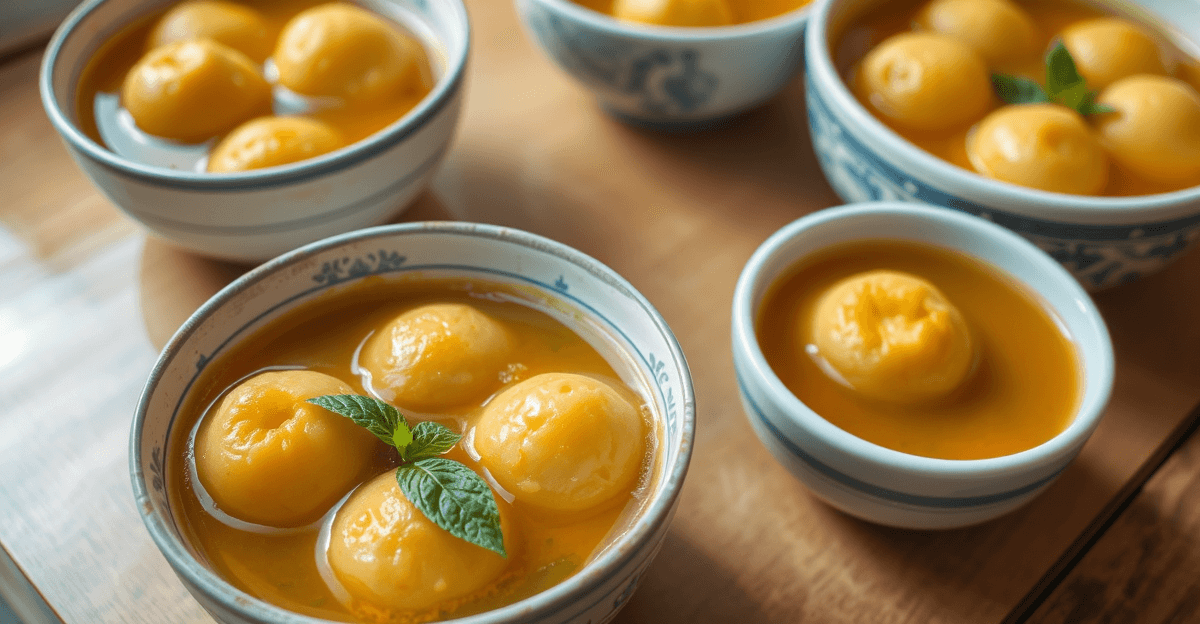
Tang yuan holds a special place in Singapore's dessert culture. Those soft, chewy glutinous rice balls bobbing in sweet ginger or peanut soup are a fixture at Winter Solstice celebrations, Chinese New Year gatherings, and late-night dessert runs to the hawker centre. But if you have ever felt like branching out from the usual sesame or peanut-filled tang yuan, you are not alone.
TL;DR: Craving something like tang yuan but different? Discover the best tang yuan alternatives in Singapore, from sweet potato balls to mochi desserts and more.
Maybe you find filled tang yuan too sweet. Maybe you are looking for something with a more natural flavour. Or maybe you just want to discover what else Singapore's traditional dessert scene has to offer when it comes to soft, chewy, comforting sweets.
This guide covers the best tang yuan alternatives available in Singapore — desserts that share that same satisfying QQ texture and warm, nostalgic feel, but bring something different to the table.
Why People Look for Tang Yuan Alternatives
Tang yuan is wonderful, but it has its limitations. The fillings — usually ground black sesame, crushed peanuts, or red bean paste — can be intensely sweet. A single filled tang yuan can pack a surprising amount of sugar. For people watching their sugar intake or those who simply prefer a less sweet dessert, unfilled or naturally sweetened alternatives are appealing.
There is also the matter of variety. If you grew up eating tang yuan at every family gathering, the desire to try something new is completely natural. Singapore's dessert traditions are incredibly rich, and many of the best options share tang yuan's comforting qualities without being the same thing you have eaten a hundred times before.
Texture is another factor. While tang yuan has that characteristic glutinous rice chew, there are other starches and bases that produce equally satisfying — sometimes even more interesting — textures. Sweet potato starch, tapioca starch, and combinations of different flours each create their own version of that beloved QQ bounce.
Sweet Potato Balls: The Closest and Best Alternative
If you love tang yuan's soft, chewy texture but want something with more natural sweetness and a distinct flavour, sweet potato balls are arguably the best alternative available in Singapore.
Sweet potato balls are made from real sweet potato — mashed and blended with tapioca starch to create a dough that is rolled into small balls and boiled. The result is a dessert with a beautiful QQ texture that is similar to tang yuan but with a noticeable difference: the sweetness comes from the potato itself, not from a sugary filling inside.
What Makes Sweet Potato Balls Different
The first thing you notice is the colour. Depending on the variety of sweet potato used, the balls range from a warm orange to a deep purple, making them visually striking in a bowl of soup. The flavour is earthy and gently sweet — a far cry from the sugar-bomb experience of biting into a filled tang yuan.
Because there is no filling, sweet potato balls have a consistent texture throughout. Every bite has that same soft, bouncy chew. There is no risk of the filling being unevenly distributed or leaking out into the soup, which can sometimes happen with poorly made tang yuan.
Sweet potato balls are also more versatile than tang yuan when it comes to soup pairings. While tang yuan is traditionally served in ginger soup or sweet peanut soup, sweet potato balls work beautifully in green bean soup, red bean soup, and even plain sugar syrup with pandan leaves.
At Ah Ma QQ Bowl, we make our sweet potato balls fresh by hand in our Hougang home kitchen, using real sweet potatoes — no artificial colours, no preservatives, no shortcuts. They are delivered across Singapore, ready to be dropped into your favourite soup at home.
Nutritional Edge
Sweet potatoes are one of the most nutritious root vegetables available. They are rich in beta-carotene, which the body converts to vitamin A. They also provide dietary fibre, vitamin C, potassium, and manganese. When you eat a sweet potato ball, you are getting some of these nutritional benefits along with your dessert — something you cannot really say about a glutinous rice flour ball filled with sugar and ground sesame.
That said, sweet potato balls are still a dessert. The tapioca starch adds carbohydrates, and the soup they are served in is sweetened. But compared to filled tang yuan, the overall sugar content per serving is typically lower, making them a marginally better choice for those keeping an eye on their intake.
Ondeh Ondeh: Pandan-Scented Gula Melaka Bursts
Ondeh ondeh occupies a unique space in Singapore's dessert landscape. These small, round balls are made from glutinous rice flour (sometimes with sweet potato mixed in), filled with liquid gula melaka, and rolled in freshly grated coconut. When you bite into one, the palm sugar filling bursts in your mouth.
The texture shares some similarities with tang yuan — soft and slightly chewy on the outside — but the coconut coating and liquid filling create a completely different eating experience. Ondeh ondeh is typically served at room temperature rather than in soup, which makes it more of a snack or tea-time treat than a warm dessert.
Where to find good ondeh ondeh in Singapore is rarely a problem. Most traditional kueh shops and market stalls carry them, and they are a staple at pasar malam events. The key to good ondeh ondeh is freshness — the coconut should be moist and the gula melaka should still be liquid when you bite in.
Ah Balling: The Cantonese Cousin
Ah balling is essentially the Cantonese version of tang yuan, but there are subtle differences worth noting. The dough is often made slightly thinner, and the fillings tend to be more varied. While standard tang yuan sticks to sesame and peanut, ah balling stalls in Singapore sometimes offer red bean, lotus paste, and even savoury meat fillings.
The soup for ah balling is also different at some stalls. Instead of the usual ginger or peanut soup, some Cantonese dessert shops serve their ah balling in a lighter sugar syrup flavoured with osmanthus flowers or even in soy milk. This lighter approach appeals to people who find traditional tang yuan soup too heavy.
Several hawker centres in Singapore have dedicated ah balling stalls, particularly in areas with strong Cantonese food traditions. Chinatown Complex and Old Airport Road Food Centre are good places to start looking.
Muah Chee: Peanut Sugar Pillows
Muah chee takes the same glutinous rice flour base as tang yuan and turns it into something entirely different. Instead of being rolled into balls and boiled, the dough is steamed into a large, soft mass, then torn into irregular pieces and coated in a mixture of crushed peanuts and sugar.
The texture is incredibly soft and sticky — even more so than tang yuan. Each piece clings to your chopsticks and stretches when you pull it apart. The peanut-sugar coating gives it a sandy crunch that contrasts beautifully with the pillowy interior.
Muah chee used to be a common sight at pasar malam stalls and pushcart vendors. While it is less ubiquitous now than it was twenty years ago, you can still find it at some hawker centres and specialty snack shops. It is also one of the easier traditional desserts to make at home if you have glutinous rice flour and a steamer.
Mochi: The Japanese Influence
Mochi has become extremely popular in Singapore over the past decade, and for good reason. Made from a similar glutinous rice base as tang yuan, mochi offers that same chewy satisfaction but in a format that feels more modern and snackable.
Singapore's mochi scene ranges from traditional Japanese daifuku — soft rice cake filled with red bean or strawberry — to more creative local adaptations filled with durian, pandan kaya, or even salted egg yolk. The texture is denser and chewier than tang yuan, almost like eating a sweet, edible stress ball.
What makes mochi a good tang yuan alternative is the sheer variety of flavours available in Singapore. While tang yuan is limited to a handful of traditional fillings, mochi shops experiment constantly. You can find mochi filled with everything from fresh mango to matcha cream to taro paste.
The main difference is that mochi is served cold or at room temperature, so you lose the warming comfort of a hot soup. But on a warm Singapore afternoon, a box of chilled mochi can be just as satisfying.
Taro Balls: Jiufen-Inspired Chewy Goodness
Taro balls became popular in Singapore largely thanks to the Taiwanese dessert craze, inspired by the famous taro ball desserts from Jiufen in Taiwan. Made from taro mashed with sweet potato starch or tapioca starch, these balls have a firm, chewy texture that is distinct from both tang yuan and sweet potato balls.
The flavour of taro balls is more subtle and earthy than sweet potato balls. Taro has a mild, slightly nutty taste that works well in sweet soups without being overpowering. In Singapore, you can find taro balls served in shaved ice desserts, mixed into bubble tea, or floating in traditional sweet soups alongside their sweet potato and yam counterparts.
Several Taiwanese dessert chains in Singapore serve taro ball desserts, and some traditional dessert stalls have adopted them as well. You can also find frozen taro balls at some supermarkets if you want to prepare them at home.
Bubur Cha Cha: A Bowl of Everything
Bubur cha cha is the Peranakan answer to anyone who cannot decide between tang yuan alternatives. This coconut milk-based dessert contains cubes of sweet potato, taro, and tapioca jelly, all simmered in a fragrant coconut soup flavoured with pandan leaves and sweetened with sugar.
What makes bubur cha cha relevant as a tang yuan alternative is the variety of textures in a single bowl. The sweet potato cubes are soft, the taro pieces are slightly firmer, and the tapioca jelly pieces provide that signature QQ bounce. It is like getting multiple tang yuan alternatives in one serving.
Bubur cha cha is widely available at Malay and Peranakan food stalls across Singapore. It is also a popular home-cooked dessert, especially during Hari Raya and other festive occasions.
How to Choose Your Tang Yuan Alternative
Choosing the right alternative depends on what you love most about tang yuan in the first place.
If you love the texture: Sweet potato balls and taro balls deliver the most similar QQ experience. Both are boiled, soft, and chewy, just like tang yuan. Sweet potato balls have a more natural sweetness, while taro balls offer a milder, earthier flavour.
If you love the warmth: Stick with soup-based options like sweet potato balls in green bean soup or bubur cha cha. These give you that same cosy, warming comfort that a bowl of hot tang yuan provides on a rainy Singapore evening.
If you love the sweetness: Ondeh ondeh's burst of gula melaka is hard to beat for a sweet hit. Muah chee's peanut-sugar coating is another good option for satisfying a sugar craving.
If you want something lighter: Sweet potato balls without filling tend to be less sweet than traditional tang yuan. Taro balls in a light sugar syrup are another good lower-sugar option.
If you want variety: Mochi gives you the widest range of flavours to explore. Singapore's mochi scene is constantly evolving, so there is always something new to try.
Where to Find These Alternatives in Singapore
Most of these tang yuan alternatives are readily available across Singapore. Hawker centres, particularly older ones like Maxwell Food Centre, Old Airport Road, and Chinatown Complex, tend to have dedicated traditional dessert stalls that carry several of these options.
For sweet potato balls specifically, you can order handmade traditional sweet potato balls delivered fresh from our Hougang home kitchen at ahmaqqbowl.com. We make them the old-fashioned way — real sweet potatoes, no artificial anything — and deliver island-wide so you can enjoy them at home without queuing.
Supermarkets like FairPrice and Sheng Siong carry frozen versions of some traditional desserts, including tang yuan, taro balls, and sometimes sweet potato balls. While frozen options are convenient, they rarely match the texture and flavour of freshly made versions.
Making the Switch
You do not have to give up tang yuan entirely to enjoy its alternatives. Many Singaporean families now serve a mix of traditional desserts at gatherings — a pot of tang yuan alongside a pot of sweet potato balls in green bean soup, or a plate of mochi next to a batch of ondeh ondeh. The beauty of Singapore's dessert culture is that there is room for everything on the table.
What matters most is finding desserts that genuinely make you happy, made with care and real ingredients. Whether that is a bowl of classic tang yuan from your grandmother's recipe or a delivery of handmade sweet potato balls from a Hougang home kitchen, the best dessert is always the one that brings people together around the table.
Sources
Craving sweet potato balls?
Ah Ma's handmade taro sweet potato balls in green bean soup — soft, chewy, naturally gluten-free, no preservatives. Made fresh in our Hougang kitchen.
Frequently Asked Questions
Tang yuan is made from glutinous rice flour and typically filled with sesame, peanut, or red bean paste. Sweet potato balls are made from real sweet potato mashed with tapioca starch, giving them a naturally sweet flavour and a distinctive chewy QQ texture. Sweet potato balls are unfilled and get their sweetness from the potato itself rather than a sugary filling. Both are boiled and soft, but the base ingredient and flavour profile are quite different.
You can order handmade sweet potato balls online from Ah Ma QQ Bowl at ahmaqqbowl.com. They are made fresh in a Hougang home kitchen using real sweet potatoes and delivered island-wide. You can also find sweet potato balls at some hawker centres and traditional dessert stalls, though availability varies.
Sweet potato balls can be a lighter option compared to filled tang yuan, which often contains sugary pastes. Sweet potato is naturally rich in beta-carotene, dietary fibre, and vitamins A and C. Since sweet potato balls get their sweetness from the potato itself rather than added sugar fillings, the overall sugar content per serving tends to be lower. However, both are carbohydrate-rich desserts and best enjoyed in moderation.
Absolutely. While tang yuan holds symbolic meaning for reunions and completeness during festivals like Dong Zhi and Chinese New Year, sweet potato balls and other alternatives can complement or replace tang yuan on the dessert table. Many families now serve a variety of traditional desserts alongside tang yuan. Sweet potato balls in green bean soup make a wonderful pairing or substitute that still feels festive and traditional.
Craving these? Order fresh from our Hougang kitchen
Soft, chewy sweet potato balls in warm green bean soup — handmade with real taro and green beans, no preservatives. Order online for delivery across Singapore.
Order NowRelated Articles
Traditional Singaporean Desserts: A Complete Guide to Local Sweet Treats
Discover authentic Singaporean desserts from chendol to bubur cha-cha. Learn recipes, hawker favorites, and where to find handmade traditional treats in Singapore today.
Tang Yuan vs Sweet Potato Balls: What Makes Them Different in Singapore
Discover the key differences between tang yuan and sweet potato balls in Singapore. Learn what makes each dessert unique and find the perfect treat for you.
How Frozen Dessert Delivery Works in Singapore: From Kitchen to Your Door
Discover how frozen dessert delivery works in Singapore. Learn the process from home kitchen to doorstep, plus why handmade sweet potato balls are worth the wait.