
Chendol Guide Singapore: History, Best Spots and How It Compares to Other Desserts
Your complete chendol guide Singapore — discover its history, where to find the best bowls, and how this iconic dessert compares to other local sweet treats.
Ah Ma QQ Bowl
Published 10 June 2026
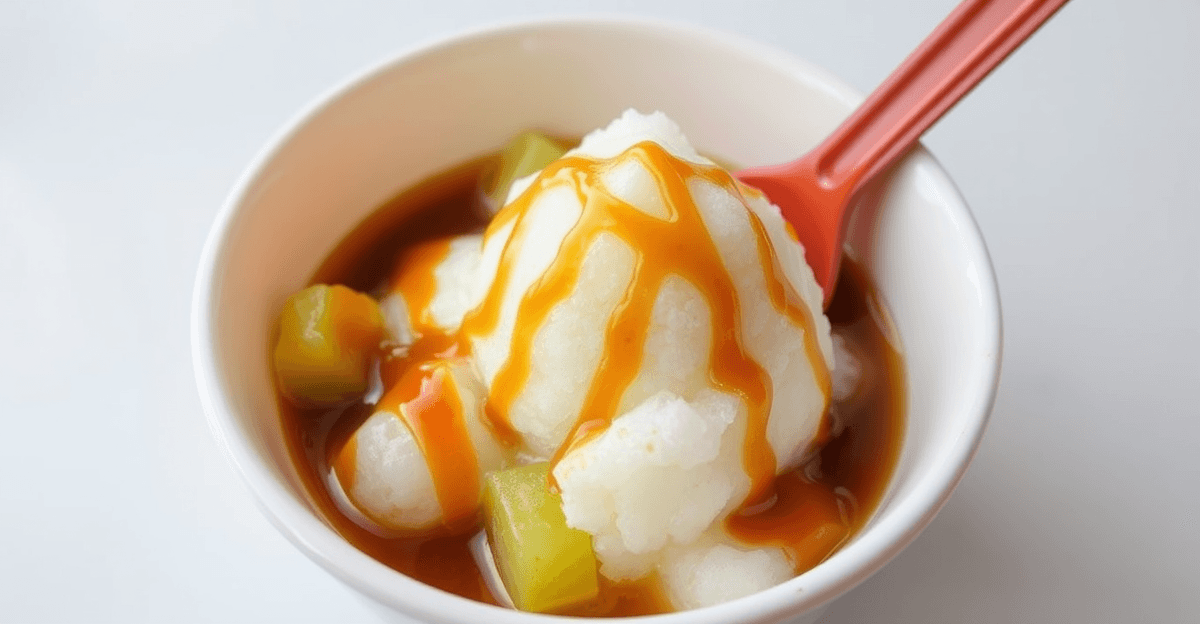
Walk through any hawker centre on a scorching Singapore afternoon and you will see it — grown adults hunched over green-tinged bowls, slurping with the kind of single-minded focus usually reserved for laksa. That is the power of a good chendol.
We have lost count of the number of times we have ended up at a chendol stall after a long morning at a bazaar, sticky from the heat and desperate for something cold. It is one of those desserts that just fixes things. This guide covers everything worth knowing — from where chendol came from, to where to find the best bowls, to how it stacks up against our other favourite traditional desserts.
TL;DR: Chendol is a cold coconut milk dessert with pandan jelly, shaved ice, and gula melaka. It likely originated from Java and became a hawker staple across Southeast Asia. The best bowls balance rich palm sugar sweetness with fragrant coconut milk. While chendol is the go-to iced treat, Singapore's traditional dessert scene — from green bean soup to sweet potato-based snacks — offers just as much depth and nostalgia.
What Is Chendol? The Basics
Chendol (also spelled cendol) is built on three core elements: shaved ice, green pandan jelly noodles, and coconut milk sweetened with gula melaka. The green jelly strands — the "chendol" itself — are made from rice flour tinted with pandan juice. They are slippery, slightly wobbly, and have that gentle floral aroma that makes pandan one of the most beloved flavours in Southeast Asian cooking.
A standard bowl will set you back between $1.50 and $3.50 at most hawker centres. Honestly, for the price, it is hard to think of a more satisfying way to cool down. Premium versions with extra toppings — red beans, attap chee, durian, sweet corn — can run up to $5 or more, but the classic bowl is all you really need.
Here is what separates an average chendol from the kind that makes you rearrange your afternoon plans: the gula melaka. Good palm sugar should taste deeply caramelised with a slight smokiness — not just generically sweet. And the coconut milk should be rich and freshly squeezed. If it tastes watery and thin, the stall is cutting corners. You can always tell.
Where Did Chendol Come From?
Most food historians trace chendol back to Java, Indonesia, where cendol has been documented since at least the 12th century. The word likely comes from the Javanese term for the green jelly droplets themselves.
As trade routes connected the Malay Archipelago, the dessert spread to Malaysia, Singapore, and Thailand (where it became "lod chong"). By the early 20th century, chendol was a common sight at pushcart stalls along Singapore's streets — particularly in Malay and Peranakan neighbourhoods.
The Singaporean version evolved to suit local preferences. Gula melaka became the sweetener of choice over white sugar, and coconut milk grew richer. Some Peranakan families started adding durian, which is a distinctly Singaporean indulgence that not everyone agrees on (but we are not here to judge).
In 2020, Singapore's hawker culture was inscribed on UNESCO's Representative List of the Intangible Cultural Heritage of Humanity — and dessert stalls like chendol sellers are very much part of that living tradition.
Where to Find the Best Chendol in Singapore
Hawker Centre Favourites
- Old Amoy Chendol, Maxwell Food Centre — No-frills, traditional bowl with solid gula melaka intensity. The kind of stall where you eat first and think about calories never.
- Penang Road Famous Teochew Chendul (various outlets) — A Malaysian import that has built a loyal following here for its thick, fragrant coconut milk.
- Jin Jin Dessert, ABC Brickworks Market — Serves chendol alongside a range of other traditional desserts, so you can try a few things in one sitting.
Neighbourhood Gems
Honestly, some of the best bowls we have ever had came from random stalls with no online presence at all. Hawker centres in Toa Payoh, Bedok, and Hougang (our home neighbourhood) all have their hidden chendol champions. Part of the charm is stumbling across them. If you see a stall with a queue on a hot day and they are selling something green and icy — just join the line.
Restaurant and Cafe Versions
Restaurants like Candlenut and Violet Oon Singapore have offered elevated chendol desserts — sometimes deconstructed or served as chendol cakes. They are fun for a special occasion, but at $10–$18 a serving, we will stick with the hawker version for our regular fix.
How Does Chendol Compare to Other Traditional Desserts?
Singapore's dessert landscape goes deep. One of the things we love about running a home-based dessert business is getting to chat with customers about which traditional sweets they grew up eating. Here is how chendol stacks up against other local favourites:
| Dessert | Served | Key Flavours | Typical Price |
|---|---|---|---|
| Chendol | Cold | Pandan, coconut, gula melaka | $1.50–$3.50 |
| Ice Kachang | Cold | Syrup, evaporated milk, mixed beans | $2.00–$4.00 |
| Green Bean Soup | Hot or cold | Mung bean, pandan, rock sugar | $1.50–$3.00 |
| Bubur Cha Cha | Hot | Sweet potato, taro, coconut milk | $2.00–$3.50 |
| Tau Huay | Hot or cold | Soy bean, ginger syrup | $1.20–$2.50 |
Chendol vs Ice Kachang
Both are shaved ice desserts, but the philosophy is completely different. Chendol is the minimalist — coconut milk, gula melaka, and pandan jelly do the heavy lifting. Ice kachang is the maximalist, piled high with beans, corn, jelly cubes, and every colour of syrup the stall owns. If you want clean, distinct flavours, go chendol. If you want a bit of everything in every spoonful, ice kachang is your friend.
Chendol vs Green Bean Soup
Green bean soup is the dessert your grandmother probably simmered on the stove for hours — humble, warming, and deeply nourishing. Slow-cooked mung beans sweetened gently with rock sugar, maybe with a knotted pandan leaf floating on top. Where chendol is celebratory and refreshing, green bean soup is quiet and restorative.
It is also one of the most versatile traditional bases. You can pair it with sago, barley, or handmade sweet potato balls for that added chewy bite. If you enjoy vegan-friendly traditional desserts, green bean soup is one of the most naturally plant-based options around.
Chendol vs Bubur Cha Cha
Bubur cha cha shares chendol's coconut milk base but goes in a completely different direction with chunks of sweet potato, yam, and tapioca. It is heartier and more filling — closer to a warm hug than a cool splash. Both desserts showcase coconut milk beautifully though.
Why We Keep Coming Back to Traditional Desserts
In a city where boba tea shops seem to open every other week and burnt cheesecake trends come and go, traditional desserts endure because they carry memory. A bowl of chendol on a hot afternoon, a warm green bean soup after dinner, a simple bowl of sweet potato balls — these are flavours tied to childhoods, grandparents' kitchens, and old hawker centres that may not be around forever.
That is something we think about a lot at Ah Ma QQ Bowl. Our handmade sweet potato balls, prepared fresh in our Hougang home kitchen, exist because of the same impulse — this desire to keep heritage flavours alive, made properly, without shortcuts. The QQ chewiness of sweet potato balls has that same nostalgic quality as the pandan jelly in a well-made chendol. Simple ingredients, done with care.
These are desserts that bridge generations. They are the kind of thing you might gift to elderly parents who miss the old flavours, or bring to a family gathering because everyone — from toddlers to grandparents — can enjoy them.
Making Chendol at Home
If you cannot get to a hawker stall, making chendol at home is surprisingly doable:
- Pandan jelly noodles — Blend pandan leaves with water, strain, and mix the juice with rice flour and a pinch of green food colouring. Cook until thick, then press through a colander into ice water to form the jelly strands.
- Gula melaka syrup — Melt palm sugar with a splash of water over low heat until syrupy.
- Coconut milk — Use freshly squeezed if possible, or a good-quality canned version with a pinch of salt.
- Assemble — Shaved ice at the base, pandan jelly on top, drizzle with gula melaka and coconut milk.
Your homemade version will not be identical to your favourite stall's — every hawker has their own ratio and technique — but there is real satisfaction in making it yourself. And if you are craving other traditional desserts at home, you can always order sweet potato balls for delivery and pair them with your own green bean soup or coconut milk base.
For more great food finds and deals on local treats, check out WhyNotDeals — handy for discovering dining promotions across Singapore.
Go Have a Bowl
Chendol is more than a dessert — it is a piece of Singapore's shared food identity. Whether you are a visitor trying it for the first time or a local who has been eating it since childhood, every bowl is a small act of cultural participation.
This guide barely scratches the surface of the island's traditional dessert scene. From green bean soup with QQ sweet potato balls to warm bowls of bubur cha cha, there is a lifetime of flavours to explore — much of it available for just a few dollars at your nearest hawker centre.
Preferably on a very hot day.
Sources
- UNESCO — Hawker Culture in Singapore — UNESCO inscription of Singapore's hawker culture as intangible cultural heritage
- National Heritage Board — Singapore's Food Heritage — Resources on Singapore's culinary traditions and food history
- Singapore Food Agency — Regulatory information on food safety standards for hawker stalls and home-based food businesses in Singapore
Craving sweet potato balls?
Ah Ma's handmade taro sweet potato balls in green bean soup — soft, chewy, naturally gluten-free, no preservatives. Made fresh in our Hougang kitchen.
Frequently Asked Questions
Chendol is a cold dessert made with shaved ice, green pandan jelly noodles, coconut milk, and gula melaka (palm sugar). Some stalls add red beans, attap chee (palm seeds), or sweet corn. The green jelly strands are made from rice flour mixed with pandan leaf extract, giving them their distinctive colour and subtle fragrance.
Some of the most well-known chendol spots in Singapore include the Old Amoy Chendol stall at Maxwell Food Centre, Mei Heong Yuen Dessert at Liang Seah Street, and the traditional chendol pushcarts along Balestier Road. Many neighbourhood hawker centres also have hidden gems — it's worth exploring your local food court.
Many chendol stalls in Singapore are halal, especially those found in Malay-Muslim hawker stalls and food courts. However, certification varies by stall, so it is best to look for the MUIS halal logo or ask the stall directly. Chendol's roots are in Malay and Javanese cuisine, so it has always been widely available in halal-certified settings.
Craving these? Order fresh from our Hougang kitchen
Soft, chewy sweet potato balls in warm green bean soup — handmade with real taro and green beans, no preservatives. Order online for delivery across Singapore.
Order NowRelated Articles
Gut Health and Traditional Desserts That Help Digestion
Discover gut health desserts in Singapore — from green bean soup to sweet potato balls. Traditional treats that soothe digestion, made fresh in Hougang.
Antioxidants in Traditional Singapore Desserts
Discover the antioxidants in traditional Singapore desserts — from sweet potato balls to green bean soup. A warm, science-backed guide for local dessert lovers.
Durian Desserts in Singapore: A Love-It-or-Hate-It Guide to the King of Fruits
Explore the best durian desserts in Singapore — from Mao Shan Wang cakes to creamy puffs and traditional soups. A complete guide for durian lovers and the curious.