
Tang Yuan vs Sweet Potato Balls: What Makes Them Different in Singapore
Discover the key differences between tang yuan and sweet potato balls in Singapore. Learn what makes each dessert unique and find the perfect treat for you.
Ah Ma QQ Bowl
Published 3 June 2026
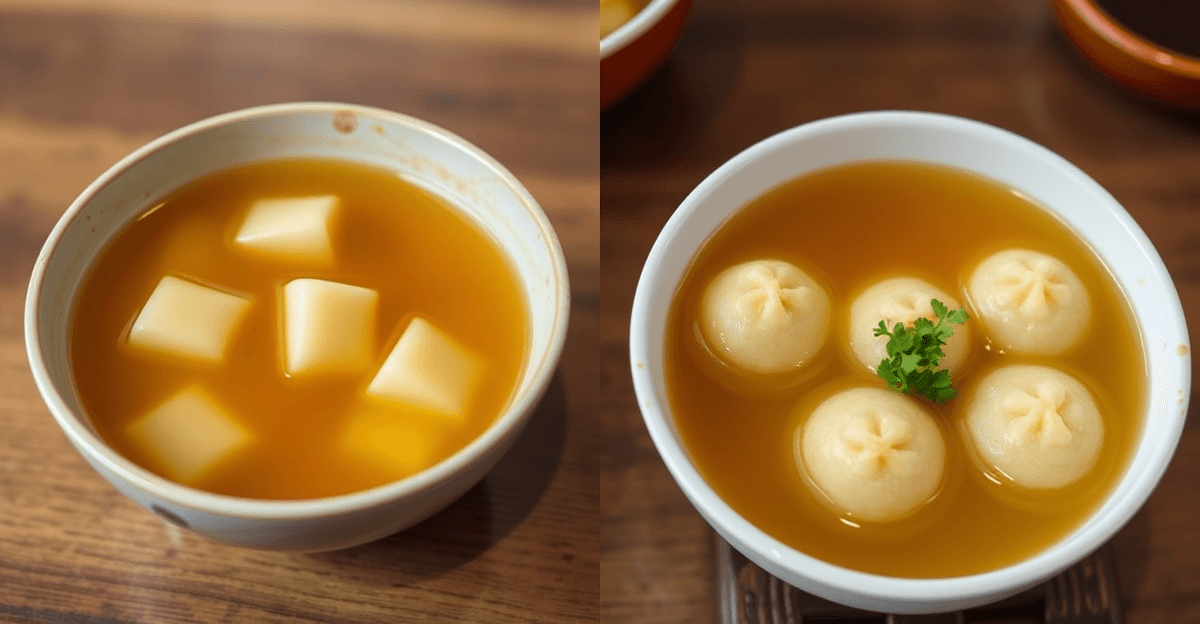
This is honestly the question we get asked the most at Ah Ma QQ Bowl: "So... these are tang yuan, right?" No! They're sweet potato balls, and the difference matters. If you've been to a Singapore hawker centre or dessert shop, you've probably spotted both on the menu. At first glance, they might look similar — both are round, both float in sweet soup, and both deliver that satisfying chewy texture we Singaporeans love. But they're actually completely different desserts.
TL;DR: Discover the key differences between tang yuan and sweet potato balls in Singapore. Learn what makes each dessert unique and find the perfect treat for you.
We love both treats — but as people who make sweet potato balls by hand every day in our Hougang kitchen, we think it's worth understanding what makes each one special.
Let's break down what makes tang yuan and sweet potato balls unique.
What Is Tang Yuan?
Tang yuan (汤圆) is a traditional Chinese dessert with centuries of history. The name literally translates to "soup balls," which perfectly describes what they are: glutinous rice flour dumplings served in a light syrup.
Key Characteristics of Tang Yuan
Ingredients: Tang yuan is made primarily from glutinous rice flour (also called sticky rice flour), water, and sometimes a little sugar. The filling varies—common versions include black sesame, peanut, or a simple sugar-lard mixture. Some modern versions skip the filling entirely.
Texture: When cooked, tang yuan develops a smooth, slightly elastic skin with a tender, almost powdery interior. The texture is delicate and melts gently on your tongue.
Appearance: They're perfectly round, uniform in size, and have a glossy, smooth surface. Most are about the size of a marble or slightly larger.
Flavour: The taste is subtle and gentle. Without a filling, tang yuan tastes mildly sweet and slightly savoury (from the glutinous rice itself). Filled versions offer more flavour intensity.
Cultural Significance: In Chinese tradition, tang yuan symbolises family unity and togetherness. They're especially common during winter solstice (Dongzhi Festival) and Chinese New Year celebrations, though you can find them year-round in Singapore.
What Are Sweet Potato Balls?
Sweet potato balls are a more modern Asian dessert, though their exact origins are debated (some credit Taiwan, others China). What's clear is that they've become wildly popular across Southeast Asia, and Singapore is no exception.
Key Characteristics of Sweet Potato Balls
Ingredients: Sweet potato balls are made from mashed sweet potato, tapioca starch, and sometimes a little sugar or salt. There's no filling—the sweet potato itself provides all the flavour. Some makers add small taro pieces or other mix-ins for variety.
Texture: This is where sweet potato balls truly shine. They have a unique QQ texture—a Singapore dessert enthusiast's favourite term. "QQ" describes that perfect chewy, bouncy, slightly springy sensation when you bite into them. The exterior is soft and slightly crumbly (from the sweet potato), while the interior stays chewy and elastic.
Appearance: Sweet potato balls are also round, but they're often slightly larger than tang yuan and have a more rustic, less polished appearance. The surface might have tiny cracks or a granular texture, which actually indicates authenticity and handmade quality.
Flavour: The taste is distinctly earthy and naturally sweet—nothing artificial needed. You taste the actual sweet potato, which many people find comforting and more flavourful than tang yuan.
Served In: Like tang yuan, sweet potato balls are served in a light soup or syrup, often with green beans (creating "green bean soup with sweet potato balls"). Some places add grass jelly, barley, or other toppings.
Side-by-Side Comparison
| Aspect | Tang Yuan | Sweet Potato Balls |
|---|---|---|
| Main Ingredient | Glutinous rice flour | Sweet potato + tapioca starch |
| Texture | Smooth, delicate, powdery | Chewy (QQ), slightly crumbly, bouncy |
| Flavour | Subtle, mild, gentle | Earthy, naturally sweet, rich |
| Appearance | Perfectly smooth and uniform | Rustic, handmade look |
| Filling | Often has fillings | No filling (sweet potato is the star) |
| Cultural Origin | Ancient China (centuries old) | Modern Asia (Taiwan/China origin) |
| Best Served | In light syrup or broth | In green bean soup or chilled syrup |
| Nutritional Value | High in carbs, minimal nutrients | Contains fibre, beta-carotene from sweet potato |
Why Singapore Loves Both
Here's the thing about Singaporean food culture: we don't choose between traditions. We celebrate them all.
Tang yuan resonates with older generations who grew up with it during festivals. For many Singaporean families, eating tang yuan together during Dongzhi Festival is a cherished ritual. You'll find them in traditional Chinese dessert shops (tong shui stalls) across the island—from Bedok to Bukit Merah to Hougang.
Sweet potato balls, meanwhile, appeal to those seeking something with more pronounced flavour and that addictive QQ texture. They've become a dessert staple at bubble tea shops, hawker centres, and increasingly through home-based dessert businesses. The fresh, handmade versions are particularly popular because they deliver superior texture and taste.
In HDB estates across Singapore, you might find a neighbour making sweet potato balls in their home kitchen, delivering fresh batches to nearby residents. This grassroots approach—like the handmade traditional sweet potato balls delivered fresh from Hougang home kitchens—has made these desserts more accessible and beloved.
Texture: The Deciding Factor
If we're honest, texture is often what determines which dessert we choose on any given day.
Tang yuan is perfect if you want something:
- Delicate and refined
- Subtle in taste
- Melting and tender
- Associated with specific occasions and traditions
Sweet potato balls are perfect if you want something:
- Noticeably chewy and satisfying
- Naturally sweet with depth of flavour
- Bouncy and fun to eat (that QQ sensation)
- Fresher-tasting and less processed
Many Singaporeans actually enjoy both, depending on their mood. Tang yuan on a quiet afternoon with family during a festival. Sweet potato balls when you want something more indulgent and contemporary.
How They're Made Differently
The preparation methods highlight why these desserts taste and feel so different.
Tang Yuan Making:
- Mix glutinous rice flour with water and a pinch of salt
- Knead into a smooth dough
- Divide into portions, fill (if desired), and shape into balls
- Boil in water until they float (usually 1-2 minutes)
- Serve in light syrup
Sweet Potato Balls Making:
- Steam sweet potatoes until soft
- Mash them finely
- Mix with tapioca starch and a small amount of sugar/salt
- Knead into a dough
- Shape into balls by hand (which is why homemade ones look less uniform)
- Boil in water until they float
- Serve in green bean soup or syrup
The handmade nature of sweet potato balls is part of their charm. You can actually see the difference between a commercial batch and fresh homemade versions—the latter have more character.
Where to Find Them in Singapore
Tang Yuan: Almost any traditional Chinese dessert shop (tong shui). Popular chains include dessert stalls in major hawker centres. They're seasonal around festivals but available year-round.
Sweet Potato Balls: Hawker centres, bubble tea shops, traditional dessert shops, and increasingly through home-based delivery businesses. Check Carousell, WhatsApp groups, or ask at your local community notice boards for fresh, locally-made options.
Making Your Choice
Here's a practical guide to choosing between them:
Choose tang yuan if you want:
- A delicate, nostalgic experience
- Something that feels special for a festival
- Subtle sweetness
- A lighter dessert
Choose sweet potato balls if you want:
- Bold, natural flavour
- That satisfying chewy (QQ) texture
- Something more filling and indulgent
- A fresher-tasting treat
Honestly, the best answer is: why choose? Enjoy both at different times, and appreciate what each brings to Singapore's diverse dessert landscape.
The Fresh Factor
One thing worth noting: the freshness of sweet potato balls matters significantly. Handmade versions prepared and delivered the same day maintain superior QQ texture compared to ones made days before. If you spot a local maker offering fresh batches—whether through social media, community groups, or neighbourhood delivery—they're usually worth trying. The difference between fresh and not-fresh is quite noticeable with sweet potato balls especially.
Final Thoughts
Tang yuan and sweet potato balls represent two different philosophies of dessert-making. One is traditional, refined, and symbolic. The other is modern, flavourful, and textural. Singapore, being a food-loving nation that respects both heritage and innovation, has embraced them both wholeheartedly.
Next time you're deciding between them, remember: tang yuan is the whisper, sweet potato balls are the exclamation mark. Both are worth experiencing, and both have earned their place in our local food culture.
What's your preference? Let us know in the comments below—we'd love to hear which one has your heart (and your appetite).
Sources
Ah Ma QQ Bowl specialises in handmade sweet potato balls in green bean soup, prepared fresh in our Hougang home kitchen and delivered to dessert lovers across Singapore. If you'd like to experience the QQ texture difference that fresh, homemade sweet potato balls can offer, reach out to us.
Craving sweet potato balls?
Ah Ma's handmade taro sweet potato balls in green bean soup — soft, chewy, naturally gluten-free, no preservatives. Made fresh in our Hougang kitchen.
Frequently Asked Questions
While both are popular Asian desserts served in syrup, they're quite different. Tang yuan is made from glutinous rice flour with sweet fillings, while sweet potato balls are made from sweet potato and tapioca starch. In Singapore, you'll find both at hawker centres and dessert shops, but sweet potato balls offer a distinctly earthy, naturally sweet flavour that tang yuan doesn't have. The texture is also different—sweet potato balls have a softer, more crumbly exterior compared to tang yuan's smoother skin.
Yes! Many home-based dessert businesses now offer delivery across Singapore, especially in central areas like Hougang. Handmade traditional sweet potato balls delivered fresh from home kitchens are becoming increasingly popular because they maintain better quality and taste compared to mass-produced versions. It's worth checking local delivery platforms or independent dessert makers who prioritise freshness and authentic recipes.
Sweet potato balls generally have a slight nutritional edge because they're made with real sweet potato, which contains natural fibre and nutrients like beta-carotene. Tang yuan is primarily glutinous rice flour, which is less nutrient-dense. That said, both are desserts meant to be enjoyed in moderation. The healthiest choice depends on your dietary preferences—sweet potato offers more natural ingredients, while tang yuan provides a lighter, more delicate texture.
You'll find sweet potato balls at traditional Chinese dessert shops, hawker centres, and increasingly through home-based businesses that deliver fresh batches. The freshest options come directly from makers who prepare them daily in small batches, ensuring the QQ chewy texture is at its best. Looking for local Hougang-based makers or checking dessert delivery apps can help you discover quality homemade options.
Craving these? Order fresh from our Hougang kitchen
Soft, chewy sweet potato balls in warm green bean soup — handmade with real taro and green beans, no preservatives. Order online for delivery across Singapore.
Order NowRelated Articles
Halal Chinese Desserts in Singapore: Where to Find and What to Try
Discover the best halal Chinese desserts in Singapore — from green bean soup to sweet potato balls. Your Muslim-friendly guide to traditional Chinese sweets.
How Frozen Dessert Delivery Works in Singapore: From Kitchen to Your Door
Discover how frozen dessert delivery works in Singapore. Learn the process from home kitchen to doorstep, plus why handmade sweet potato balls are worth the wait.
Best Tang Yuan Alternatives in Singapore: Sweet Potato Balls and More
Craving a soft, chewy warm dessert? Discover the best traditional dessert alternatives in Singapore, from sweet potato balls to mochi desserts and more.