
15 Traditional Singaporean Desserts Every Local Should Try
Explore 15 traditional Singaporean desserts — from chendol and bubur cha-cha to handmade sweet potato balls. Discover hawker classics, recipes, and where to order them in Singapore.
Ah Ma QQ Bowl
Published 5 June 2026
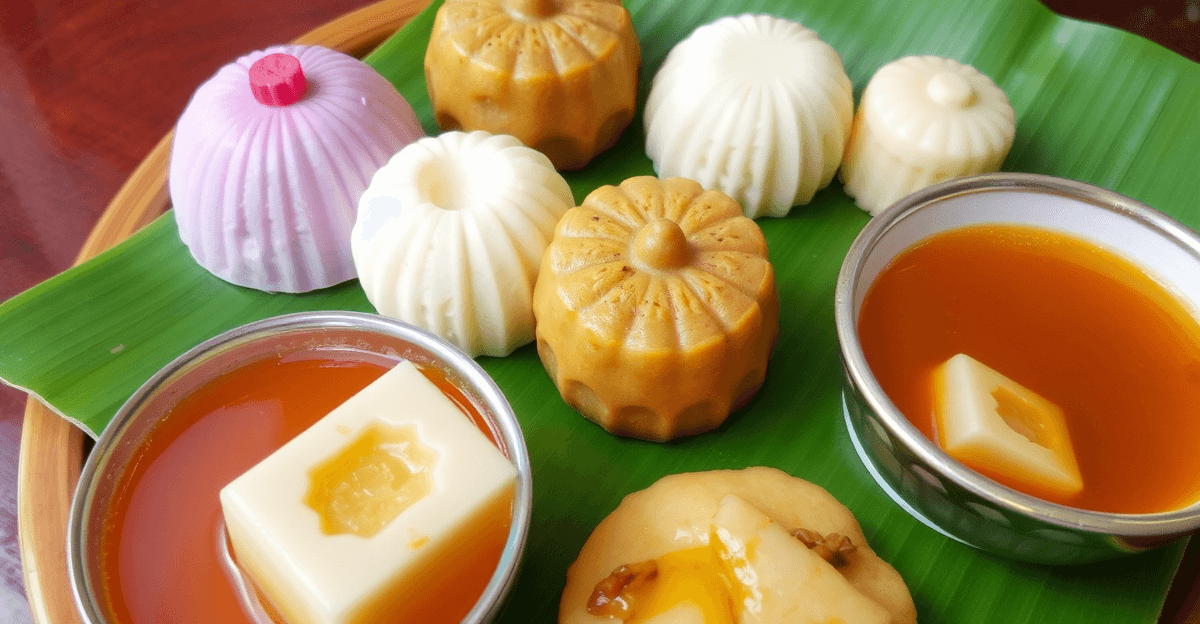
Singapore's dessert culture is a delicious reflection of our multicultural heritage and tropical climate. From steaming bowls of bubur cha-cha to icy glasses of chendol, our traditional sweets tell stories of Chinese grandmothers, Malay recipe keepers, and Indian sweet-makers who've shaped Singapore's food identity over generations.
TL;DR: Discover authentic Singaporean desserts from chendol to bubur cha-cha. Learn recipes, hawker favorites, and where to find handmade traditional treats in Singapore today.
Whether you're a lifelong resident rediscovering childhood favorites or someone new to Singapore's dessert scene, this guide explores the desserts that define our food culture—and how to find or make them today.
The Heart of Singaporean Desserts: Climate and Culture
Our dessert traditions make perfect sense when you understand Singapore's context. In a hot, humid tropical climate, cooling desserts are essential. You'll notice most traditional Singaporean sweets feature:
- Cooling ingredients: gula melaka (palm sugar), grass jelly, pandan, and coconut milk
- Refreshing textures: shaved ice, soft jellies, and chewy components
- Natural sweeteners: rather than refined sugar, many recipes use traditional palm sugar or fresh coconut
- Comfort in simplicity: minimal processing, maximum flavor
This philosophy developed partly because pre-refrigeration Singapore needed desserts that were naturally cooling and long-lasting. Today, even with modern kitchens, Singaporeans still crave these authentic flavors—they're connected to our heritage and our climate.
Classic Singaporean Desserts You Must Know
Chendol: The Iconic Green Dessert
Chendol is arguably Singapore's most recognizable dessert. This green, cooling treat combines pandan-flavored rice flour strands with coconut milk, shaved ice, and gula melaka syrup.
What makes chendol special is the texture contrast: the chewy pandan strands, creamy coconut milk, and smooth syrup create layers of flavor in every spoonful. You'll find it at almost every hawker center, though quality varies significantly.
The best chendol uses:
- Fresh pandan juice for vivid green color (not artificial coloring)
- Thick, quality coconut milk
- Rich, properly caramelized gula melaka
- Ice that's finely shaved, not chunky
Bubur Cha-Cha: The Heartwarming Comfort Dessert
Bubur cha-cha is a thick, sago-based porridge served warm or cold, loaded with yam, sweet potato, and corn in a creamy coconut broth. It's pure comfort—the kind of dessert you remember eating at your grandmother's house.
Making bubur cha-cha at home is entirely doable:
- Boil small cubes of yam and sweet potato until soft
- Add sago pearls and cook until translucent
- Pour in coconut milk and a touch of gula melaka
- Serve warm with a sprinkle of salt balancing the sweetness
Many Singaporean families have slight variations—some add pandan, others include taro. These differences make each version personal and meaningful.
Tau Suan: The Humble Bean Dessert
Tau suan (mung bean soup) is understated but deeply satisfying. This simple dessert of mung bean paste in a light syrup, topped with youtiao (Chinese crullers) and served warm, represents the philosophy of Singaporean comfort food: humble ingredients, perfect execution.
You'll spot it at hawker stalls, usually served in small bowls. The best versions have:
- Smooth, creamy mung bean paste (not grainy)
- A delicate, not overly sweet syrup
- Fresh, crispy youtiao on the side for texture
In the same family of humble, quietly perfect desserts sits tau huay (soy beancurd) — a silky, just-set soybean custard with sugar or ginger syrup that deserves its own deep-dive.
Ice Kachang: The Playful Favorite
This colorful shaved ice dessert layers red syrup, condensed milk, jelly cubes, corn, and peanuts. It's casual, fun, and deeply nostalgic for many Singaporeans who enjoyed it as children at neighborhood stalls.
While ice kachang seems simple, quality depends on:
- The freshness of toppings (jelly should be firm, not mushy)
- Balance of sweetness (modern versions often use less syrup than traditional versions)
- Texture of the ice (fine shaving matters)
Pancakes with Gula Melaka and Coconut: The Heritage Sweet
These thin, crispy pancakes drizzled with gula melaka syrup and sprinkled with grated coconut are found at heritage hawker stalls. They're nostalgic, affordable, and deeply Singaporean—a perfect example of making something extraordinary from simple ingredients.
The Art of Sweet Potato Balls: Handmade Tradition
One dessert that deserves special attention is the sweet potato ball—a traditional component of green bean soup that's experiencing a revival in Singapore's home-kitchen dessert scene.
Sweet potato balls are different from the fried versions you might find elsewhere. The traditional Singaporean version is boiled soft and chewy, with a delicate QQ texture that contrasts beautifully with the cooling green bean broth. They're often served with grass jelly and gula melaka syrup.
What's special about handmade sweet potato balls is the texture. Mass-produced or fried versions tend toward a dense, heavy consistency. True traditional sweet potato balls—boiled fresh until they reach that perfect chewy texture—are something else entirely. The potato flavor comes through clearly, and they absorb the flavors of the soup without becoming mushy.
Many home kitchens in Singapore, particularly in neighborhoods like Hougang, still prepare these balls using methods passed down through families. When you order from these makers, you're getting dessert made to order, often boiled just hours before delivery. Handmade traditional sweet potato balls delivered fresh from a Hougang home kitchen represent this dying art of small-batch, quality-focused dessert making—the kind that prioritizes texture and flavor over convenience and shelf-life.
Where to Find Traditional Singaporean Desserts Today
Hawker Centers and Coffee Shops
Still the most reliable source for classics like chendol, ice kachang, and tau suan. Popular stalls include:
- Tiong Bahru Market (multiple dessert stalls)
- Maxwell Food Centre
- Lau Pa Sat
- Neighborhood coffee shops in HDB estates
Pro tip: Hawker desserts are affordable (typically $1.50-$3.50) and relatively consistent, but availability depends on the stall operator's schedule.
Home-Based Dessert Makers
The home-kitchen dessert movement is growing in Singapore. Makers in residential areas often specialize in specific traditional desserts, using family recipes and fresh ingredients. These operators typically:
- Prepare desserts to order
- Focus on quality over volume
- Deliver within local neighborhoods (often within a few km)
- Offer desserts that taste fresher than mass-produced alternatives
If you live in public housing like HDB estates, you've likely seen advertisements for these services on community notice boards or WhatsApp neighborhood groups.
Making Traditional Desserts at Home
For HDB dwellers, making desserts at home is practical. Your kitchen likely has what you need, and wet market ingredients are accessible. Start with:
Easy homemade option - Tau Suan:
- Dried mung beans (from any wet market)
- Gula melaka
- Salt
- Water
- Optional: youtiao from your neighborhood kopitiam
Simple to intermediate - Bubur Cha-Cha:
- Yam and sweet potato
- Sago
- Coconut milk
- Gula melaka
- Pandan leaves (optional)
Most recipes take 30-45 minutes and serve 4-6 people. The advantage of cooking at home is controlling sweetness levels and sourcing quality ingredients from your local wet market.
The Ingredients That Matter
Authentic Singaporean desserts depend on specific ingredients that shape their character:
Gula Melaka - This palm sugar is the backbone of traditional desserts. It's not as sweet as refined sugar and carries a subtle caramel note. Genuine gula melaka comes in dark blocks; anything else is a substitute.
Coconut Milk - Use fresh or quality tinned versions. The creaminess of good coconut milk directly impacts dessert quality.
Pandan Leaves - These fragrant green leaves add color and flavor. Fresh pandan juice creates the most vibrant chendol.
Grass Jelly - Often made at home or sourced from wet markets, grass jelly adds a silky texture and slight herbal note.
Sago - Small pearl-like tapioca used in bubur cha-cha and other desserts.
Quality ingredients aren't expensive—most come from your neighborhood wet market and cost a few dollars. The difference between mediocre and excellent traditional desserts is almost always ingredient quality, not complexity.
Preserving Singaporean Dessert Culture
Our traditional desserts represent something important: they're the edible memory of Singapore's multicultural identity and the ingenuity of generations who created comfort from simplicity.
Here's how you can participate in preserving this culture:
Learn and cook them - Even making tau suan once teaches you something about our food heritage
Support hawker stalls - These operators maintain traditions while adapting to modern life
Try home-based makers - These small operators often use family recipes that might otherwise disappear
Share with younger generations - Bringing children to get chendol or teaching them to make bubur cha-cha keeps these traditions alive
Appreciate quality - Supporting makers who prioritize traditional methods and fresh ingredients encourages others to do the same
The Future of Traditional Singapore Desserts
Singapore's dessert scene is evolving. While hawker stalls remain the foundation, a new generation of home-based dessert makers is reviving interest in traditional recipes and methods. These entrepreneurs—often motivated by heritage rather than pure profit—are proving there's a market for desserts made the old way: fresh, handmade, with quality ingredients.
This movement is particularly visible in neighborhoods like Hougang, where home kitchens produce everything from classic tau suan to handmade sweet potato balls for green bean soup. These makers represent continuity—the same way your grandmother might have made desserts for family, these operators now serve wider communities while maintaining traditional standards.
The advantage of this model? You get dessert that tastes like it's made with care, because it actually is.
Final Thoughts
Traditional Singaporean desserts aren't complicated. They're the opposite: they're simple dishes elevated by good ingredients, proper technique, and respect for tradition. Whether you're enjoying chendol at a hawker center, making bubur cha-cha in your HDB kitchen, or ordering fresh sweet potato balls from a neighborhood maker, you're participating in a food culture that's lasted generations.
The best part? You don't need to travel far to access these desserts. They're in hawker centers near your home, available from local makers, and completely reproducible in your own kitchen.
Start with whichever dessert resonates most with you—whether that's a cooling chendol on a hot afternoon or a warm bowl of tau suan on a quieter evening. Once you taste traditional Singaporean desserts made the right way, you'll understand why they've lasted this long.
Sources
Looking for more? Check out find more food deals on WhyNotDeals.
Craving sweet potato balls?
Ah Ma's handmade taro sweet potato balls in green bean soup — soft, chewy, naturally gluten-free, no preservatives. Made fresh in our Hougang kitchen.
Frequently Asked Questions
Singaporean desserts blend Chinese, Malay, and Indian culinary traditions due to our multicultural heritage. We favor cooling desserts like chendol and ice kachang perfect for our tropical climate, combined with techniques passed down through generations in hawker stalls and home kitchens. Many traditional recipes emphasize natural ingredients like gula melaka, pandan, and fresh fruits rather than refined sugar.
Absolutely! Many traditional desserts like bubur cha-cha, tau suan, and sweet potato balls are made fresh in home kitchens across Singapore. The key is sourcing quality ingredients from wet markets and local suppliers. Some families have perfected recipes over decades, while others prefer ordering from home-based makers who use traditional methods and deliver fresh to your door.
Many home-based dessert makers in residential areas like Hougang specialize in traditional sweets made fresh daily. These operators often focus on quality over mass production, using time-tested family recipes and natural ingredients. Ordering directly from these kitchens ensures you get desserts prepared to order, often fresher than hawker stall alternatives.
Craving these? Order fresh from our Hougang kitchen
Soft, chewy sweet potato balls in warm green bean soup — handmade with real taro and green beans, no preservatives. Order online for delivery across Singapore.
Order NowRelated Articles
How Frozen Dessert Delivery Works in Singapore: From Kitchen to Your Door
Discover how frozen dessert delivery works in Singapore. Learn the process from home kitchen to doorstep, plus why handmade sweet potato balls are worth the wait.
Best Tang Yuan Alternatives in Singapore: Sweet Potato Balls and More
Craving a soft, chewy warm dessert? Discover the best traditional dessert alternatives in Singapore, from sweet potato balls to mochi desserts and more.
Sweet Potato Balls Recipe Tips: How to Get That Perfect QQ Texture
Master the art of making QQ sweet potato balls at home. Learn pro tips for achieving that perfect chewy texture. Inspired by traditional Hougang recipes.