
Sweet Potato Balls Singapore: The Complete Guide to This Beloved Dessert
Everything you need to know about sweet potato balls in Singapore — what they are, how they are made, where to order, flavours available, and why they are different from tang yuan.
Ah Ma QQ Bowl
Published 4 June 2026
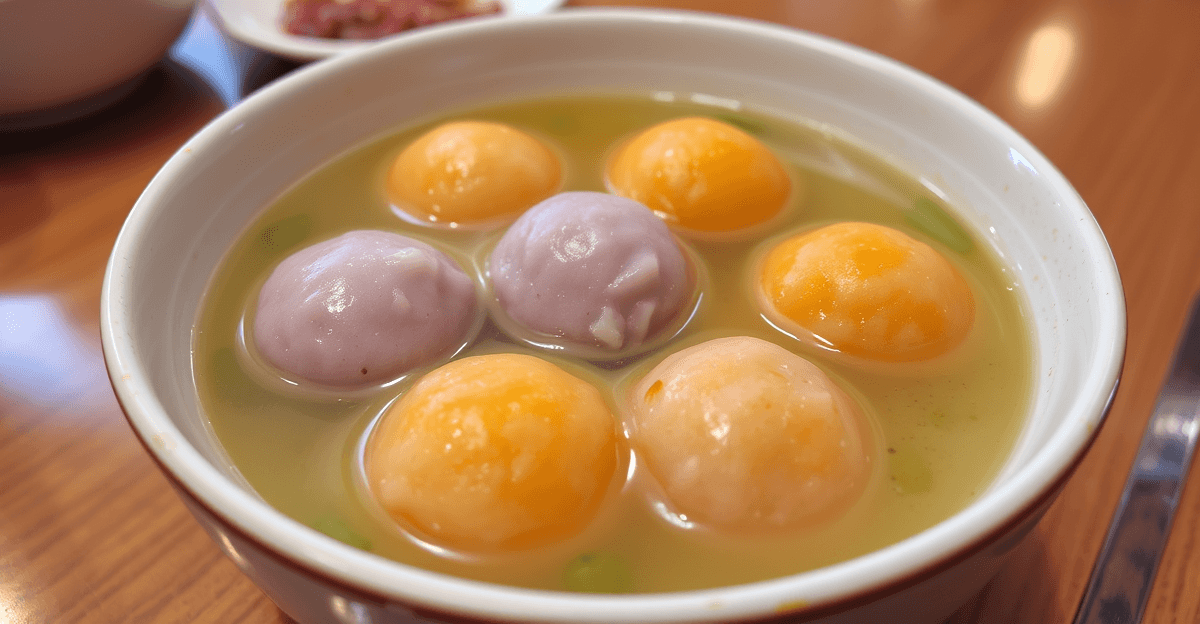
Every week, at least one or two new customers message us some version of the same question: "So... what exactly are sweet potato balls?" They have seen them on our menu, maybe spotted them at a hawker centre, but never quite understood what they were eating.
We get it. Sweet potato balls are one of those desserts that fly under the radar — no fancy marketing, no food blogger hype, just quiet, honest goodness that has been around for generations. This guide is everything we wish someone had told us before we fell in love with making them.
TL;DR: Everything you need to know about sweet potato balls in Singapore — what they are, how they are made, where to order, flavours available, and why they are not the same thing as tang yuan.
What Are Sweet Potato Balls?
Sweet potato balls — fan shu yuan (番薯圆) in Mandarin, or just "QQ balls" in casual conversation — are small round dessert balls made from real sweet potato or taro, mixed with tapioca flour and shaped by hand.
The key word is real. Unlike many modern desserts where flavour comes from artificial extracts, these get their colour and taste directly from the vegetables. Orange balls are made from orange sweet potato. Purple balls are made from purple sweet potato or taro. What you see is what is in the ball.
They are boiled, not fried. Soft, smooth, and pleasantly chewy when cooked properly. The texture sits somewhere between mochi and gummy — yielding when you bite in, with a satisfying bounce-back that we call "QQ."
They are typically served in warm dessert soup — most commonly green bean soup, but also ginger syrup, soy milk, or coconut milk. Warm soup plus chewy balls equals classic comfort food.
History and Origins
Sweet potato balls have roots in Taiwanese and Southern Chinese dessert traditions. In Taiwan, they are a night market staple. The Hakka and Hokkien communities in Southern China have been making similar tapioca-and-root-vegetable desserts for generations.
In Singapore, they came over with early Chinese immigrants and became part of the local dessert landscape alongside tau huay, cheng tng, and bubur cha cha. They were practical — sweet potatoes were affordable and abundant, tapioca flour was cheap, and the combination produced something satisfying with minimal ingredients.
Over the decades, they became less common as hawker stalls shifted toward more commercially viable desserts. But they never disappeared entirely. And in recent years, there has been a revival of interest in traditional, handmade desserts made with real ingredients.
That revival is why we exist.
Why Singaporeans Love Them
Nostalgia: For many, sweet potato balls are tied to childhood — eating dessert at a hawker centre with family, or watching a grandmother shape them by hand in an HDB kitchen.
Texture obsession: We love QQ texture in Singapore. Same appreciation that drives bubble tea pearls, mochi, and kueh. Sweet potato balls deliver that chewiness in every bite.
Real ingredients: In a food landscape dominated by artificial flavours, something made from actual sweet potatoes feels authentic. You can taste the vegetable.
Comfort food appeal: Warm soup with chewy balls on a rainy evening? Definition of comfort food.
Dietary accessibility: Naturally gluten-free (tapioca flour is from cassava), no dairy, suitable for vegans. In a city with diverse dietary requirements, that matters.
How We Make Them
At Ah Ma QQ Bowl, every batch is made by hand in our Hougang kitchen.
The Ingredients
Three main things: real sweet potato (or taro), tapioca flour, and a small amount of sugar. That is it. No artificial colours, no preservatives. The orange colour comes from orange sweet potato. The purple comes from purple sweet potato or taro.
The Process
- Steam the vegetables until completely soft
- Mash and mix with tapioca flour while hot. The ratio determines texture — too much flour and they are hard, too little and they fall apart
- Shape by hand — one by one. This is the most time-consuming step and the reason handmade tastes different from factory-produced. The dough is handled gently.
- Boil until they float to the surface and hit the perfect QQ consistency
- Flash freeze for delivery — locks in freshness so you cook them at home with the same result
The entire mixing and shaping is done without machines. It is labour-intensive, which is why many commercial stalls stopped offering them. We believe the difference is worth the effort. Our regulars tell us they can tell.
Flavours Available
Original Sweet Potato (Orange): The classic. Mild natural sweetness, characteristic orange colour. Subtle and earthy.
Purple Sweet Potato: Slightly nuttier flavour. Deep purple colour — entirely natural — looks stunning in green bean soup.
Taro: Distinctive earthy, nutty flavour. Classic Taiwanese dessert staple that pairs beautifully with coconut milk.
Pandan: Infused with natural pandan leaf extract. Pale green, distinctively Southeast Asian.
All made the same handmade way, same simple ingredients.
Sweet Potato Balls vs Tang Yuan: They Are Different
This is the most common confusion we encounter. They look vaguely similar from a distance — both small, round, served in soup. But they are fundamentally different desserts.
Ingredients: Sweet potato balls are made from real vegetables with tapioca flour. No filling. Tang yuan are made from glutinous rice flour, usually filled with sesame, peanut, or red bean paste.
Texture: Sweet potato balls are QQ — bouncy and springy. Tang yuan are sticky and mochi-like, denser.
Flavour: Sweet potato balls taste like sweet potato or taro. Tang yuan taste primarily of their fillings.
Cultural: Tang yuan are festival food — Lantern Festival, Winter Solstice, symbolising reunion. Sweet potato balls are everyday comfort food — no occasion required.
If someone offers you sweet potato balls expecting tang yuan, they will be surprised. They are as different as pancakes and crepes.
Health Benefits of Sweet Potato
Beyond tasting good, sweet potatoes are genuinely nutritious:
- High in dietary fibre — supports digestion and steady blood sugar
- Rich in Vitamin A — orange sweet potatoes are one of the best natural sources of beta-carotene
- Good source of Vitamin C — immune support and antioxidant
- Contains potassium — heart health and blood pressure
- Naturally low in fat and gluten-free
Sweet potato balls are still a dessert — there is sugar and carbs. But compared to ice cream, cake, or pastries with butter and cream, they are a lighter, more wholesome choice.
Where to Order
Ah Ma QQ Bowl delivers across Singapore:
Online ordering: Visit ahmaqqbowl.com — individual packs and complete dessert bowl sets with green bean soup.
Delivery: Islandwide, insulated packaging.
Self-collection: From our Hougang kitchen.
How to serve: Bring water to a boil, drop balls in directly from frozen (no thawing), boil 3-5 minutes until they float and feel bouncy. Serve in green bean soup, ginger syrup, soy milk, or any warm dessert soup. Also great in shaved ice or even bubble tea.
Beyond the Traditional Bowl
Sweet potato balls are surprisingly versatile:
- In ginger syrup — warming combo, especially on cooler evenings
- In soy milk — hot or cold, makes a satisfying breakfast or snack
- In coconut milk — more indulgent, Southeast Asian flair. Taro balls are amazing in this
- With shaved ice — refreshing summer treat
- In bubble tea — replace regular tapioca pearls for something more interesting
- As a standalone snack — boil, toss in brown sugar. Kids love this version
A Dessert Worth Knowing
Sweet potato balls do not need to be complicated to be wonderful. Real ingredients, honest flavour, satisfying texture, and a connection to Singapore's culinary heritage — they check every box.
Whether you grew up eating them at a hawker centre or you are trying them for the first time, sweet potato balls reward your attention. They are not flashy or Instagram-worthy in the way a towering parfait is. But take a spoonful of warm green bean soup with a few QQ sweet potato balls, and you will understand why they have endured for generations.
Order handmade sweet potato balls from Ah Ma QQ Bowl and taste the difference real ingredients make.
Sources
Looking for more? Check out find more food deals on WhyNotDeals.
Craving sweet potato balls?
Ah Ma's handmade taro sweet potato balls in green bean soup — soft, chewy, naturally gluten-free, no preservatives. Made fresh in our Hougang kitchen.
Frequently Asked Questions
Sweet potato balls (also called QQ balls or fan shu yuan) are a traditional dessert made from real sweet potato mixed with tapioca flour. They are shaped into small balls and boiled until soft and chewy. The tapioca flour gives them a distinctive bouncy, QQ texture. They are not fried — they are soft, smooth, and naturally coloured by the vegetables used.
No. Sweet potato balls and tang yuan are different desserts. Sweet potato balls are made from real sweet potato and taro mixed with tapioca flour — no filling inside. Tang yuan are made from glutinous rice flour and usually have fillings like sesame paste or peanut paste. The texture, ingredients, and taste are completely different.
Ah Ma QQ Bowl makes handmade sweet potato balls available for delivery across Singapore and self-collection from Hougang. Order online at ahmaqqbowl.com. They come frozen and reheat easily at home — just boil for a few minutes.
Sweet potato balls are a lighter dessert option compared to many alternatives. They are made from real vegetables (sweet potato and taro), contain no artificial colours or preservatives, are naturally gluten-free (tapioca flour comes from cassava, not wheat), and have no heavy fillings. Sweet potatoes are also a good source of dietary fibre, vitamins A and C, and potassium.
Bring a pot of water to a rolling boil, add the frozen sweet potato balls directly (no need to thaw), and boil for 3-5 minutes until they float to the surface and are soft and bouncy. Serve in hot green bean soup, ginger syrup, soy milk, or any dessert soup of your choice.
Craving these? Order fresh from our Hougang kitchen
Soft, chewy sweet potato balls in warm green bean soup — handmade with real taro and green beans, no preservatives. Order online for delivery across Singapore.
Order NowRelated Articles
Sweet Potato Balls vs Tang Yuan: What Is the Difference?
Sweet potato balls and tang yuan are often confused, but they are completely different desserts. Learn what sets them apart — ingredients, texture, taste, and how they are served.
Gut Health and Traditional Desserts That Help Digestion
Discover gut health desserts in Singapore — from green bean soup to sweet potato balls. Traditional treats that soothe digestion, made fresh in Hougang.
Antioxidants in Traditional Singapore Desserts
Discover the antioxidants in traditional Singapore desserts — from sweet potato balls to green bean soup. A warm, science-backed guide for local dessert lovers.