
Taro Desserts in Singapore: Traditional Favourites You Need to Try
Explore the best taro desserts in Singapore — from handmade taro balls in green bean soup to orh nee and bubur cha cha. A guide to traditional taro-based treats and where to find them.
Ah Ma QQ Bowl
Published 28 April 2026
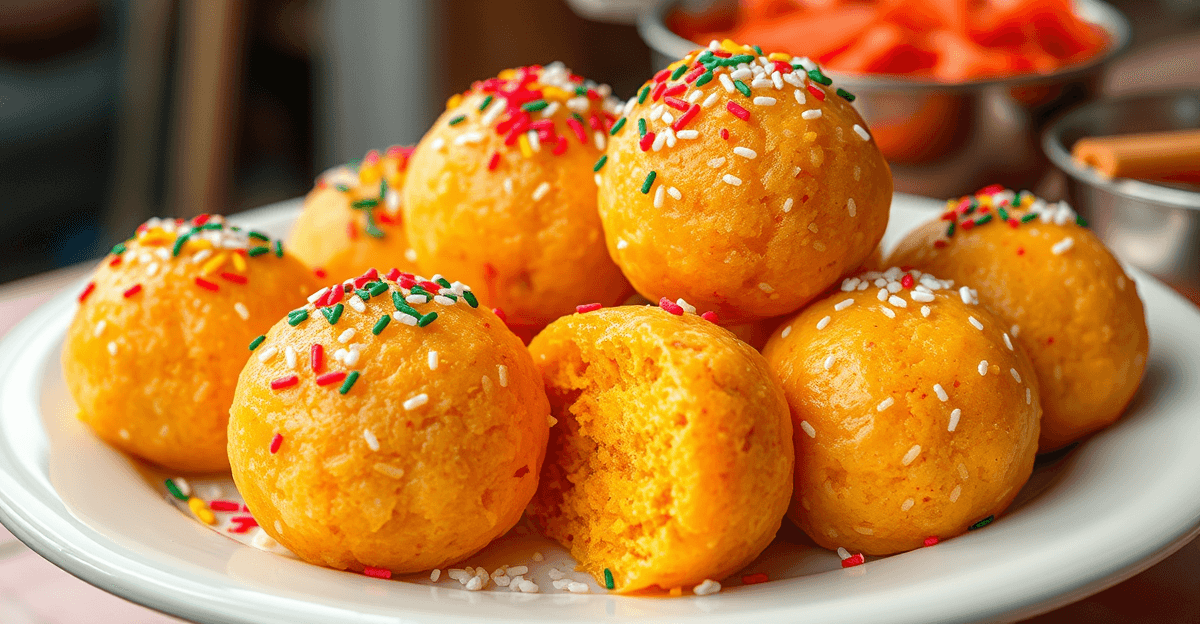
Taro — or yam, as it is commonly called in Singapore — is one of the most versatile and beloved ingredients in Southeast Asian desserts. Its gentle, nutty flavour and distinctive purple-grey colour make it a natural fit for sweets. And yet, compared to flashier ingredients like matcha or durian, taro rarely gets the spotlight it deserves.
TL;DR: Explore the best taro desserts in Singapore — from handmade taro balls in green bean soup to orh nee and bubur cha cha. A guide to traditional taro-based treats and where to find them.
In Singapore, taro has been a dessert staple for generations, particularly in Teochew and Peranakan cooking. From the silky richness of orh nee to the chewy bounce of taro balls, there is a taro dessert for every palate and occasion.
This guide covers the best taro desserts you can find in Singapore, what makes each one special, and where to get them.
Why Taro Works So Well in Desserts
Before diving into specific desserts, it helps to understand what makes taro such a remarkable dessert ingredient.
Natural Flavour and Colour
Taro has a subtle sweetness that is earthy and nutty — not cloying or overpowering. This makes it an ideal base for desserts that rely on natural flavour rather than added sugar. The purple-grey colour is entirely natural, requiring no artificial colouring to look appealing.
Texture Versatility
Depending on how it is prepared, taro can be silky smooth (as in orh nee), dense and starchy (as in taro cake), or soft and chewy (as in taro balls). Few ingredients offer this range of textures within a single culinary tradition.
Nutritional Profile
Taro is a good source of dietary fibre, potassium, and vitamins C and E. While no dessert is a health food, taro-based desserts at least start with a whole vegetable rather than refined flour and butter.
Cultural Significance
Taro holds special importance in Teochew culture, where it has been cultivated and cooked for centuries. The Teochew yam paste dessert, orh nee, is one of Singapore's most iconic traditional dishes. Taro also appears in Peranakan, Cantonese, and Malay dessert traditions.
The Best Taro Desserts in Singapore
1. Taro Balls in Green Bean Soup
Taro balls are small, hand-rolled balls made from mashed taro mixed with tapioca flour. The tapioca flour gives them their signature QQ texture — that chewy, bouncy bite that is deeply satisfying. Served in warm green bean soup (mung beans slow-cooked with rock sugar and pandan leaf), this is one of Singapore's most comforting traditional desserts.
What makes it special: The combination of soft, chewy taro balls with the gentle sweetness of green bean soup is simple but perfect. The earthy flavour of the taro complements the mung beans beautifully, and the QQ texture adds a dimension that liquid soup alone cannot provide.
Where to get it: At Ah Ma QQ Bowl, we make handmade taro and sweet potato balls served in green bean soup. Every ball is hand-rolled in our Hougang kitchen using fresh taro, tapioca flour, and nothing artificial. Order online for next-day delivery across Singapore, or arrange self-collection.
2. Orh Nee (Teochew Yam Paste)
Orh nee is a Teochew banquet dessert made from steamed taro, mashed until silky smooth, cooked with sugar, coconut cream, and lard (in the traditional version). It is served warm, garnished with steamed ginkgo nuts and a drizzle of coconut cream.
What makes it special: Orh nee is rich, fragrant, and deeply satisfying. The texture is like a warm, savoury-sweet mousse. It is traditionally reserved for festive occasions and formal banquets, making it feel special every time you eat it.
Where to get it: Orh nee is becoming harder to find in Singapore. Some Teochew restaurants still serve it for banquets, and a few producers offer frozen versions for delivery. Fortune Food is one such option, specialising in traditional Teochew foods.
3. Bubur Cha Cha
This Peranakan dessert is a colourful coconut milk soup filled with cubes of taro, sweet potato, sago pearls, and sometimes black-eyed peas. The coconut milk base is sweetened with palm sugar (gula melaka) and often infused with pandan.
What makes it special: The medley of textures — the soft taro cubes, the chewy sago, the creamy coconut broth — makes every spoonful interesting. The natural colours of the ingredients (purple taro, orange sweet potato, white sago) create a visually appealing bowl.
Where to get it: Some hawker centres and Peranakan restaurants serve bubur cha cha. It is also one of the easier traditional desserts to make at home if you can source fresh taro and coconut milk.
4. Taro Cake (Or Kueh)
Taro cake is a savoury-sweet steamed cake made from grated taro, rice flour, and a variety of additions like dried shrimp, Chinese sausage, and fried shallots. While it straddles the line between savoury snack and dessert, the taro flavour is unmistakable.
What makes it special: The contrast between the starchy, comforting base and the savoury toppings makes taro cake addictive. It is often pan-fried after steaming, giving it a crispy exterior and soft interior.
Where to get it: Taro cake is available at hawker centres across Singapore, particularly at dim sum stalls and traditional kueh sellers. It is commonly eaten during Chinese New Year.
5. Taro-Filled Pastries and Buns
Several bakeries and pastries in Singapore offer taro-filled creations, from spiral taro pastries (with flaky, layered dough encasing taro paste) to soft buns with taro cream filling. These bridge the gap between traditional and modern dessert making.
What makes it special: The flaky pastry versions, in particular, are a textural treat — each layer of buttery dough encasing a smooth, sweet taro filling. They are a popular choice during Mid-Autumn Festival alongside mooncakes.
Where to get it: Chinese bakeries across Singapore, particularly those specialising in traditional pastries, carry taro-filled options. Look for them at neighbourhood bakeries in areas with strong Teochew or Cantonese communities.
Taro Balls vs Other Taro Desserts
Among all the taro desserts available in Singapore, taro balls stand out for several reasons.
Everyday accessibility. While orh nee is a special-occasion dessert and taro cake requires frying, taro balls in green bean soup can be enjoyed as an everyday comfort food. They are simple, quick to prepare, and satisfying without being heavy.
Dietary friendliness. Taro balls made with tapioca flour are naturally gluten-free, dairy-free, and nut-free. This makes them one of the most allergen-friendly dessert options available — something that orh nee (which traditionally uses lard and coconut cream) and taro cake (which uses dried shrimp) cannot claim.
QQ texture. The chewy, bouncy texture of taro balls is unique among taro desserts. Orh nee is smooth, taro cake is dense, but taro balls have that playful spring that makes them genuinely fun to eat.
Pairing with green bean soup. The combination of taro balls with green bean soup is a classic pairing that enhances both components. The earthy taro and the gentle sweetness of slow-cooked mung beans create a flavour combination that is distinctly Singaporean. Read more about this pairing in our guide to sweet potato balls.
How Taro Balls Are Made
Making taro balls is simple in concept but requires practice to perfect. Here is the basic process:
- Steam fresh taro until completely soft
- Mash the taro while still warm, ensuring a smooth consistency
- Mix in tapioca flour gradually — the ratio is critical for the right QQ texture
- Knead the dough until smooth and pliable
- Roll into small balls by hand, each about the size of a large marble
- Cook by boiling or adding directly to soup
The hand-rolling step is where experience matters. Each ball needs to be consistent in size for even cooking, and the dough must have the right moisture content. At Ah Ma QQ Bowl, every ball is hand-rolled — a process that is slower than machine production but produces a better texture.
If you enjoy making desserts at home, taro balls are a rewarding project. For those who prefer the convenience of a ready-made option, our frozen taro sweet potato balls deliver the same quality with five minutes of preparation.
Taro in Singaporean Food Culture
Taro's presence in Singaporean food culture goes beyond desserts. It appears in savoury dishes (taro braised with pork belly in Teochew cuisine), in festive foods (taro cake during Chinese New Year), and even in drinks (taro milk tea, which has gained huge popularity in recent years).
The ingredient connects several of Singapore's culinary traditions:
- Teochew: Orh nee, taro braised dishes, taro-stuffed dumplings
- Peranakan: Bubur cha cha, kueh bingka ubi
- Cantonese: Taro puffs, taro cake at dim sum
- Hokkien: Taro balls in dessert soups
This cross-cultural presence means that taro desserts appeal broadly across Singapore's diverse communities — a rare quality that makes them ideal for gatherings, events, and gifting.
Preserving Taro Dessert Traditions
Like many traditional Singaporean desserts, taro-based treats face an uncertain future. The labour-intensive nature of preparing fresh taro — peeling, steaming, mashing — discourages high-volume commercial production. Many of the hawker stalls that once served handmade taro desserts have closed as their operators retired.
This is one of the reasons we started Ah Ma QQ Bowl. Our taro sweet potato balls are made using traditional methods — hand-rolled from fresh taro and sweet potato — but distributed using modern logistics (online ordering, frozen delivery). The recipe stays traditional; only the way it reaches you has changed.
Try Taro Desserts at Home
If you have not explored Singapore's taro dessert tradition, now is a good time to start. Whether you seek out orh nee at a Teochew restaurant, make bubur cha cha from scratch, or simply order a pack of frozen taro balls, there is a taro dessert waiting for you.
At Ah Ma QQ Bowl, our handmade taro and sweet potato balls in green bean soup are the easiest way to enjoy this tradition at home. Made with fresh taro, sweet potato, mung beans, tapioca flour, rock sugar, and pandan leaf — no preservatives, no artificial ingredients.
Browse our products for next-day delivery across Singapore, or contact us if you have questions about ingredients and preparation.
Sources
Craving sweet potato balls?
Ah Ma's handmade taro sweet potato balls in green bean soup — soft, chewy, naturally gluten-free, no preservatives. Made fresh in our Hougang kitchen.
Frequently Asked Questions
The most popular taro desserts in Singapore include taro balls in green bean soup, orh nee (Teochew yam paste with ginkgo nuts and coconut cream), bubur cha cha (coconut milk soup with taro and sweet potato), taro cake, and taro-filled pastries. Taro balls are especially beloved for their chewy QQ texture.
You can order handmade taro balls in green bean soup from Ah Ma QQ Bowl at ahmaqqbowl.com, with next-day delivery across Singapore or self-collection from Hougang. Some hawker centres and dessert cafes also sell taro balls, though availability varies.
Taro has a naturally subtle, nutty sweetness and a beautiful purple-grey colour that requires no artificial colouring. It pairs well with coconut, pandan, and rock sugar — staple flavours in Southeast Asian desserts. Taro is also naturally gluten-free and provides dietary fibre, potassium, and vitamins.
Taro balls and sweet potato balls are made using the same technique — mashed root vegetable mixed with tapioca flour — but they use different base ingredients. Taro balls use taro (yam) and have a more earthy, nutty flavour with a purple-grey colour. Sweet potato balls use orange sweet potato and are naturally sweeter. At Ah Ma QQ Bowl, we include both varieties in every packet.
Most traditional taro desserts are naturally gluten-free because they use tapioca flour or rice flour rather than wheat. Ah Ma QQ Bowl's taro balls are made with taro, sweet potato, tapioca flour, mung beans, rock sugar, water, and pandan leaf — all naturally gluten-free ingredients.
Craving these? Order fresh from our Hougang kitchen
Soft, chewy sweet potato balls in warm green bean soup — handmade with real taro and green beans, no preservatives. Order online for delivery across Singapore.
Order NowRelated Articles
Durian Season in Singapore: When It Starts, What to Eat, and the Best Durian Desserts
Everything you need to know about durian season in Singapore. Learn when durian season starts, the best durian desserts to try, and how traditional sweet treats pair perfectly with the King of Fruits.
Pasar Malam Desserts in Singapore: A Guide to Night Market Sweets
Explore the best pasar malam desserts in Singapore, from traditional sweet potato balls to muah chee and ice kachang. Learn what makes night market desserts special and where to find them year-round.
Gluten-Free Desserts in Singapore: Traditional Options That Are Naturally Safe
Discover naturally gluten-free traditional Singaporean desserts, from sweet potato balls to kueh and cheng tng. A guide for those with coeliac disease, gluten sensitivity, or anyone seeking healthier dessert options.