
Bubur Cha Cha Singapore: The Complete Guide to This Beloved Peranakan Dessert
Everything you need to know about bubur cha cha in Singapore. History, where to find it, how it compares to other traditional desserts, and why sweet potato is the star ingredient.
Ah Ma QQ Bowl
Published 11 May 2026
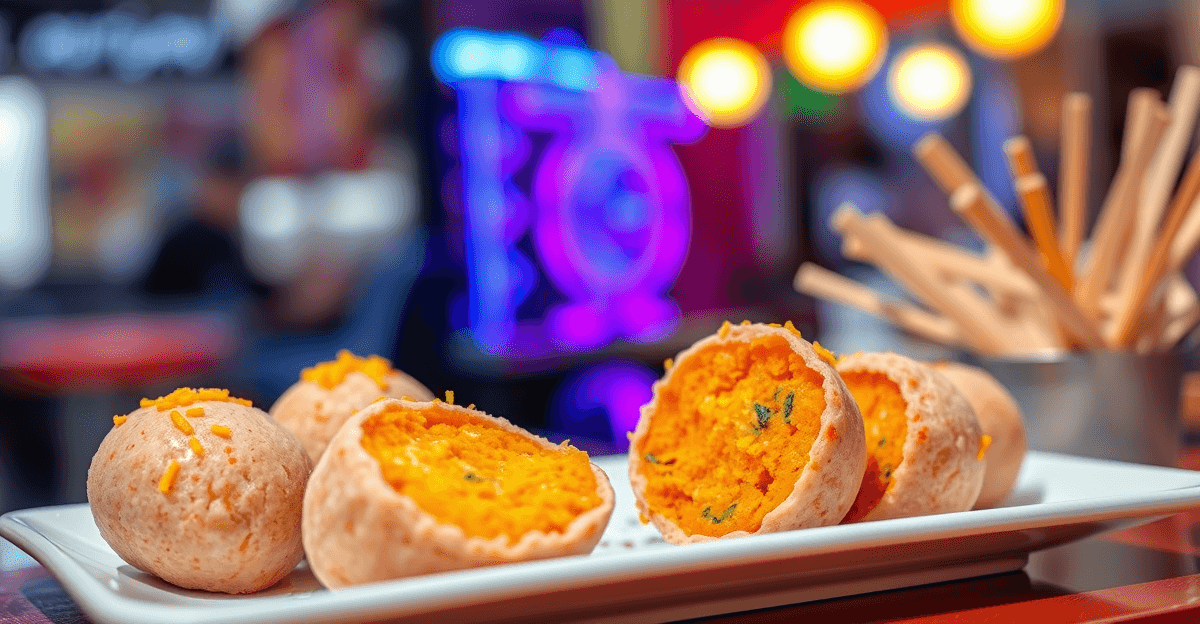
If you grew up in Singapore, chances are you have a memory of bubur cha cha. Maybe it was a warm bowl at your grandmother's house, or a cold cup from a hawker stall on a scorching afternoon. This Peranakan coconut dessert has been a part of Singapore's food landscape for generations, and it remains one of the most comforting sweet treats you can find on the island.
TL;DR: Everything you need to know about bubur cha cha in Singapore. History, where to find it, how it compares to other traditional desserts, and why sweet potato is the star ingredient.
But what exactly goes into bubur cha cha? Why has it endured when so many other traditional desserts have faded? And what makes the sweet potato in this dessert so important?
This guide covers everything you need to know.
What Is Bubur Cha Cha?
Bubur cha cha is a coconut milk-based dessert soup from the Peranakan (Straits Chinese) culinary tradition. The name comes from the Malay word "bubur," meaning porridge or soupy mixture. Despite the name, it is firmly a dessert -- sweet, rich, and aromatic.
The core ingredients are simple but each plays a role:
- Sweet potato -- usually orange and purple varieties, cut into cubes
- Taro -- adds an earthy, starchy contrast to the sweet potato
- Sago pearls -- small tapioca balls that become translucent and chewy when cooked
- Coconut milk -- the rich, creamy base that ties everything together
- Pandan leaves -- the fragrant backbone of Southeast Asian desserts
- Sugar -- palm sugar or white sugar, depending on the recipe
The Peranakan Roots
The Peranakan community, descendants of Chinese immigrants who settled in the Malay Archipelago centuries ago, created a culinary tradition that blends Chinese cooking techniques with Malay ingredients and spices. Bubur cha cha is a perfect example of this fusion. The concept of a sweet soup is Chinese. The coconut milk, pandan, and palm sugar are distinctly Malay. Together, they create something that belongs to neither tradition alone.
In Singapore, the Peranakan heritage is most visible in the Katong and Joo Chiat neighbourhoods, where you can still find restaurants serving bubur cha cha the old-fashioned way -- slow-cooked coconut milk, hand-cut sweet potato, and sago pearls that are just the right level of chewy.
Why Sweet Potato Is the Star of Bubur Cha Cha
Every ingredient in bubur cha cha matters, but sweet potato is the one that defines the dessert. Without it, you have a coconut sago soup. With it, you have bubur cha cha.
Natural Sweetness
Sweet potato brings its own natural sugar to the dish, which means less refined sugar is needed. The orange variety is sweeter and creamier when cooked, while purple sweet potato holds its shape better and adds a striking visual contrast. Many stalls use both varieties for this reason.
Nutritional Value
Sweet potato is one of the most nutritious root vegetables available. It is rich in beta-carotene, vitamin A, dietary fibre, and complex carbohydrates. Compared to purely sugar-based desserts, a bowl of bubur cha cha with generous sweet potato is a meaningful step up nutritionally.
Texture
When cooked properly, sweet potato in bubur cha cha is soft but not mushy. It should hold its cube shape while yielding easily to a spoon. This tender texture contrasts beautifully with the chewiness of the sago pearls and the creaminess of the coconut milk.
The importance of sweet potato in Southeast Asian desserts extends far beyond bubur cha cha. It appears in green bean soup, as the base for sweet potato balls, and in countless other traditional preparations that have been passed down through generations.
How Bubur Cha Cha Compares to Other Singapore Desserts
Singapore has one of the richest dessert traditions in Asia. Understanding where bubur cha cha fits helps you appreciate what makes it special.
Bubur Cha Cha vs Cheng Tng
Cheng Tng is a clear, light dessert soup with barley, lotus seeds, longan, and white fungus. It is refreshing and subtle. Bubur cha cha is the opposite -- rich, creamy, and bold. If cheng tng is a light afternoon refreshment, bubur cha cha is a satisfying dessert course.
Bubur Cha Cha vs Green Bean Soup
Green bean soup is another comfort dessert that has been a Singapore staple for decades. Both desserts are warm, comforting, and often feature sweet potato. The key difference is the base: green bean soup uses a clear or lightly sweetened water base, while bubur cha cha uses coconut milk. Both are excellent carriers for sweet potato, but the coconut milk version is richer and more indulgent.
Bubur Cha Cha vs Sweet Potato Balls
Sweet potato balls are a different category altogether. Where bubur cha cha is a soup, sweet potato balls are individual, bite-sized treats with a distinctive chewy QQ texture. They can be served in soup (like green bean soup) or on their own. The sweet potato in bubur cha cha is soft and cubed, while in sweet potato balls, the sweet potato is mixed with tapioca starch to create that signature bounce and chew.
At Ah Ma QQ Bowl, we focus on handmade sweet potato balls because we love that QQ texture. But we have deep respect for bubur cha cha and all the traditional desserts that keep sweet potato at the centre of Singapore's dessert culture.
The Best Way to Enjoy Bubur Cha Cha
Hot vs Cold
This is a matter of personal preference, but there are cases for both:
Hot bubur cha cha is the traditional serving method. The warmth brings out the fragrance of the pandan and the richness of the coconut milk. On a rainy Singapore afternoon, a hot bowl is as comforting as it gets.
Cold bubur cha cha is the hawker centre favourite during hot weather. When chilled, the coconut milk thickens slightly, giving the dessert a more custard-like consistency. The sweet potato and taro hold their shape well when cold, and the sago pearls become pleasantly firm.
Pairing Suggestions
Bubur cha cha is typically eaten as a standalone dessert, but it also works well as part of a larger dessert spread:
- After a Peranakan meal -- it is the traditional way to end a nonya feast
- At events and gatherings -- its colourful appearance makes it visually appealing for dessert tables at parties
- As an afternoon snack -- lighter than cake, more satisfying than a cold drink
Making Bubur Cha Cha at Home: What to Know
While we are not sharing a full recipe here (there are excellent ones from nonya home cooks across Singapore), here are the principles that matter:
Ingredient Quality
The coconut milk makes or breaks the dish. Fresh squeezed coconut milk is ideal, but good quality canned coconut milk (not coconut cream, not coconut drink) works well. Avoid brands that are overly watery.
For sweet potato, use freshly bought tubers. Singapore's wet markets carry excellent orange and purple sweet potatoes year-round. Avoid sweet potato that has been sitting too long -- it develops a woody texture that no amount of cooking can fix.
Cooking Order Matters
Taro takes longer to cook than sweet potato. Add the taro first, then the sweet potato a few minutes later. Sago should be cooked separately in boiling water until fully translucent, then rinsed and added at the end. This prevents the sago from making the coconut broth cloudy and gluey.
Do Not Overcook the Sweet Potato
This is the most common mistake. Sweet potato goes from perfectly tender to mushy in a matter of minutes. Cut your cubes evenly (about 2cm) and check them frequently. They should be soft enough to eat but firm enough to hold their shape when scooped with a spoon.
Where to Find Bubur Cha Cha in Singapore
Bubur cha cha is available across Singapore, though quality varies significantly from stall to stall.
Hawker Centres
Many dessert stalls at hawker centres serve bubur cha cha as part of their traditional dessert lineup. Look for stalls with a steady queue -- it is usually a sign that their coconut milk is freshly prepared and their sweet potato is properly cooked.
Peranakan Restaurants
Restaurants in the Katong and Joo Chiat area specialise in Peranakan cuisine and typically serve bubur cha cha as a dessert option. These versions tend to be more refined, with carefully balanced sweetness and premium coconut milk.
Dessert Cafes
A newer wave of dessert cafes has begun offering modern takes on bubur cha cha, sometimes with additions like coconut ice cream or tapioca chips on top. These can be interesting, though purists may argue they miss the point of the original.
If You Love Sweet Potato Desserts
Bubur cha cha is just one expression of Singapore's love for sweet potato in desserts. The ingredient appears in so many forms across our food culture -- from traditional preparations to modern innovations.
At Ah Ma QQ Bowl, we channel that same love of sweet potato into our handmade sweet potato balls. Made fresh in our Hougang kitchen with real sweet potato and no artificial preservatives, our sweet potato balls offer that signature QQ texture that Singaporeans love. Whether you enjoy them in green bean soup or on their own, they carry the same spirit as bubur cha cha -- simple ingredients, honest preparation, and the comforting taste of home.
If you are looking for sweet potato desserts that you can enjoy at home with minimal fuss, check out our delivery options or learn how to reheat frozen sweet potato balls for that just-made taste.
The Future of Traditional Desserts in Singapore
Bubur cha cha, like many traditional desserts, faces the challenge of a changing food landscape. Younger Singaporeans are increasingly drawn to international desserts -- matcha soft serves, Korean bingsu, Japanese mochi. But there is also a growing appreciation for heritage food, driven by a desire to preserve the flavours that define Singapore's identity.
The key to keeping desserts like bubur cha cha alive is not to freeze them in the past but to make them relevant. That might mean serving them in new contexts, making them more convenient to enjoy at home, or simply talking about why they matter.
Every bowl of bubur cha cha is a small act of cultural preservation. Every sweet potato ball, every cup of green bean soup, every plate of kueh -- these are the flavours that connect us to the generations before us. And they are worth keeping alive.
Sources
Craving sweet potato desserts? Order handmade sweet potato balls from Ah Ma QQ Bowl. Made fresh in Hougang with real sweet potato and no artificial preservatives. Island-wide delivery available.
Craving sweet potato balls?
Ah Ma's handmade taro sweet potato balls in green bean soup — soft, chewy, naturally gluten-free, no preservatives. Made fresh in our Hougang kitchen.
Frequently Asked Questions
Bubur cha cha is a traditional Peranakan coconut milk dessert originating from the Straits Chinese community in Southeast Asia. It features cubes of sweet potato, taro, and chewy sago pearls simmered in a fragrant coconut milk broth flavoured with pandan leaves. The name comes from the Malay word 'bubur' meaning porridge or soupy dessert. It is served both hot and cold across Singapore, Malaysia, and parts of Indonesia.
No. Bubur cha cha and tang yuan are different desserts. Bubur cha cha is a Peranakan coconut-based soup with sweet potato, taro, and sago. Tang yuan refers to glutinous rice balls served in ginger or peanut soup, traditionally eaten during the Winter Solstice and Lantern Festival. Sweet potato balls are yet another distinct dessert -- chewy, QQ-textured balls made primarily from sweet potato and tapioca starch.
Traditional bubur cha cha is naturally gluten-free. The main ingredients -- sweet potato, taro, sago, coconut milk, sugar, and pandan leaves -- contain no gluten. However, some modern variations may include wheat-based ingredients, so always check with the vendor if you have coeliac disease or gluten sensitivity.
Yes. Bubur cha cha is commonly served both hot and cold in Singapore. The chilled version is especially popular during hot weather and is often served as a refreshing dessert at hawker centres and Peranakan restaurants. Some people prefer the cold version because the coconut milk flavour becomes more pronounced when chilled.
Bubur cha cha is available at many hawker centres across Singapore, Peranakan restaurants in Katong and Joo Chiat, and dessert stalls island-wide. For a homemade twist on sweet potato-based desserts, Ah Ma QQ Bowl in Hougang offers handmade sweet potato balls in green bean soup that captures the same comforting, coconut-free warmth of traditional desserts with a chewy QQ texture.
Craving these? Order fresh from our Hougang kitchen
Soft, chewy sweet potato balls in warm green bean soup — handmade with real taro and green beans, no preservatives. Order online for delivery across Singapore.
Order NowRelated Articles
June School Holiday Desserts: Fun and Easy Treats Kids Love in Singapore
Looking for desserts to enjoy with kids during the June school holidays in Singapore? From traditional sweet potato balls to frozen treats, here are the best options for family bonding over sweets.
Durian Season in Singapore: When It Starts, What to Eat, and the Best Durian Desserts
Everything you need to know about durian season in Singapore. Learn when durian season starts, the best durian desserts to try, and how traditional sweet treats pair perfectly with the King of Fruits.
Pasar Malam Desserts in Singapore: A Guide to Night Market Sweets
Explore the best pasar malam desserts in Singapore, from traditional sweet potato balls to muah chee and ice kachang. Learn what makes night market desserts special and where to find them year-round.