
Green Bean Soup Singapore: The Complete Guide to This Beloved Dessert (2026)
Everything about green bean soup in Singapore -- history, health benefits, where to buy, how to make it, and the best delivery options. A cooling dessert for any day.
Ah Ma Kitchen
Published 30 April 2026
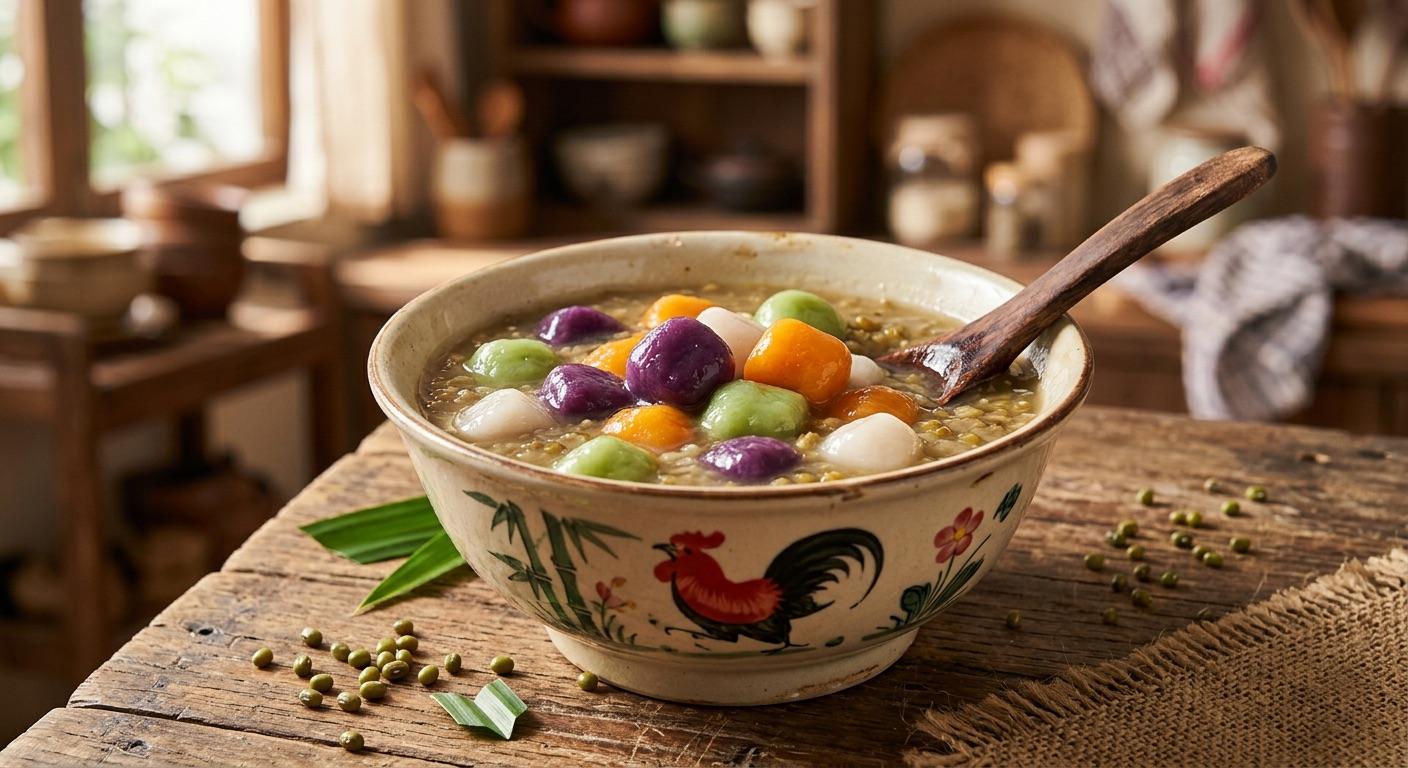
Green bean soup -- known as luk tau tong in Cantonese or mung bean soup in English -- is one of Singapore's most enduring traditional desserts. Walk through any hawker centre or kopitiam, and you will find this pale green, gently sweet soup ladled from enormous pots. It is the dessert your grandmother made on hot afternoons, the remedy your mother offered when you had too many heaty snacks, and the comfort food that Singaporeans crave without quite knowing why.
Despite its deep roots in local food culture, green bean soup rarely gets the spotlight it deserves. It is overshadowed by flashier desserts: Instagram-worthy cakes, churned artisan ice creams, and elaborate plated restaurant desserts. But for everyday eating -- for something nourishing, affordable, and genuinely satisfying -- few desserts can match it.
This guide covers everything you need to know about green bean soup in Singapore: its history, health benefits, the best places to find it, how to make it at home, and where to get it delivered.
What Exactly Is Green Bean Soup?
Green bean soup is a traditional Chinese dessert soup made from mung beans (Vigna radiata), simmered slowly until the beans are soft and partially broken down. The soup is lightly sweetened with rock sugar or white sugar and often infused with pandan leaves for fragrance.
The name "green bean soup" can be confusing for newcomers. The "green beans" in question are mung beans -- small, round, olive-green legumes -- not the long string beans used in stir-fries. In Mandarin, it is called lyu dou tang. In Hokkien, it is lak tau tong. In Cantonese, luk tau tong.
The basic recipe is remarkably simple:
- Mung beans
- Water
- Sugar (rock sugar or white sugar)
- Pandan leaves (optional, for fragrance)
Some versions add sago pearls for a slightly chewy texture, or dried tangerine peel for a citrus undertone. But the core recipe has remained largely unchanged for generations.
A Brief History of Green Bean Soup in Singapore
Green bean soup came to Singapore with the waves of Chinese immigrants who arrived in the 19th and early 20th centuries. It was a staple dessert in southern China -- Guangdong, Fujian, and Hainan provinces all have their own variations -- and the recipe travelled with the people.
In Singapore's early hawker culture, dessert stalls sold green bean soup alongside red bean soup, barley water, and cheng tng. These were affordable, nourishing treats for working-class families -- a few cents for a bowl that filled you up and cooled you down in the tropical heat.
Today, green bean soup remains a staple at dessert stalls across Singapore. It is one of the few traditional desserts that has survived the onslaught of boba tea shops, gelato bars, and Korean shaved ice without needing to reinvent itself. The recipe works because the recipe is good.
Health Benefits of Green Bean Soup
Green bean soup is not just comfort food -- it is genuinely nutritious. Mung beans pack a surprising amount of nutrition into a small package.
Nutritional profile per cup of cooked mung beans (approximately):
- Calories: 210
- Protein: 14g
- Fibre: 15g
- Folate: 80% of daily value
- Manganese: 30% of daily value
- Iron: 16% of daily value
- Potassium: 15% of daily value
Cooling Properties (TCM Perspective)
In Traditional Chinese Medicine (TCM), mung beans are classified as a cooling food. Green bean soup is prescribed to clear internal heat, detoxify the body, and relieve symptoms of heatiness -- sore throat, mouth ulcers, irritability, and skin breakouts.
Singapore's tropical climate means that heaty conditions are common, and green bean soup has been the go-to home remedy for generations. Whether or not you follow TCM principles, there is a practical logic here: a chilled bowl of green bean soup on a 34-degree afternoon feels restorative in a way that a hot chocolate never could.
Modern Nutritional Benefits
Beyond TCM, modern nutrition recognises mung beans as a genuinely beneficial food:
- High in plant protein: 14g per cup makes green bean soup a useful protein source for vegans and vegetarians
- Low glycaemic index: Mung beans release energy slowly, keeping blood sugar stable
- Rich in fibre: 15g per cup supports digestive health
- Good source of folate: Important for cell growth and particularly recommended during pregnancy (though consult your doctor about TCM cooling concerns)
- Contains antioxidants: Mung beans contain vitexin and isovitexin, which have anti-inflammatory properties
How Green Bean Soup Is Made: The Traditional Method
The beauty of green bean soup lies in its simplicity. Here is the traditional method, passed down through generations of Singaporean home cooks.
Ingredients (Serves 4-6)
- 200g mung beans (green beans)
- 1.5 litres water
- 80-100g rock sugar (adjust to taste)
- 2-3 pandan leaves, knotted
- Optional: 30g sago pearls
Method
Step 1: Soak the beans. Rinse the mung beans and soak them in cold water for at least 2 hours, or overnight. Soaking reduces cooking time and helps the beans break down more evenly.
Step 2: Boil. Drain the soaked beans and add them to a pot with 1.5 litres of fresh water. Bring to a boil over high heat.
Step 3: Simmer. Reduce to low heat, add the knotted pandan leaves, and simmer for 45 minutes to 1 hour. The beans should be very soft, with some breaking apart to thicken the soup naturally.
Step 4: Sweeten. Add rock sugar in the last 10 minutes of cooking. Stir until dissolved. Taste and adjust sweetness.
Step 5: Serve. Serve warm or chill in the fridge for at least 2 hours for a cold version. Remove pandan leaves before serving.
Tips for the Best Green Bean Soup
- Do not rush the simmer. Low and slow is key. The beans need time to break down and release starch into the soup, creating that characteristic slightly thick consistency.
- Use rock sugar, not white sugar. Rock sugar gives a cleaner, less cloying sweetness.
- Add sago separately. If using sago pearls, cook them in a separate pot of boiling water until translucent, then rinse and add to the green bean soup. This prevents the sago from making the soup too starchy.
- Pandan makes a difference. The fragrance of pandan leaves elevates the soup from plain to memorable. Fresh leaves are best, but frozen ones work too.
Where to Find the Best Green Bean Soup in Singapore
Delivery
Ah Ma Kitchen -- Our green bean soup is made fresh in our Hougang kitchen with no preservatives, no artificial sweeteners, and no shortcuts. We use traditional recipes and deliver islandwide. Order alongside our handmade sweet potato balls for a complete dessert experience.
Hawker Centres
Green bean soup is available at dessert stalls in most major hawker centres. Some well-known spots include dessert stalls at Old Airport Road Food Centre, Chinatown Complex, and Maxwell Food Centre. Prices typically range from $1.50 to $2.50 per bowl.
Supermarkets
Canned and packet versions of green bean soup are available at FairPrice, Sheng Siong, and Cold Storage. These are convenient but lack the freshness and fragrance of freshly made versions. They also tend to be overly sweetened.
Green Bean Soup vs Other Traditional Dessert Soups
Singapore has a rich tradition of dessert soups. Here is how green bean soup compares to its closest relatives:
Green bean soup vs red bean soup: Green bean is cooling and lighter in flavour; red bean is warming and richer. Green bean is usually served chilled in summer; red bean is best warm. Both are vegan and gluten-free.
Green bean soup vs barley water: Barley water is a drink, not a soup -- thinner and more refreshing. Green bean soup is more substantial and filling. Both are considered cooling in TCM.
Green bean soup vs cheng tng: Cheng tng is a mixed dessert soup with many ingredients (barley, longan, ginkgo nuts, lotus seeds, white fungus). Green bean soup is simpler, with mung beans as the star ingredient.
Pairing Green Bean Soup with Other Desserts
Green bean soup shines on its own, but it also pairs beautifully with other traditional treats:
- Sweet potato balls: The chewy, crispy texture of sweet potato balls contrasts perfectly with the smooth soup. At Ah Ma Kitchen, this is our most popular combination.
- You tiao (fried dough sticks): Dip torn pieces of you tiao into warm green bean soup for a satisfying textural contrast.
- Sago: Small sago pearls add a gentle chewiness to the soup without changing the flavour.
Ordering Green Bean Soup for Events
Green bean soup is an excellent choice for catering and events. It is:
- Dietary-friendly: Vegan, gluten-free, nut-free, dairy-free, egg-free
- Scalable: Easy to serve for groups of any size
- Affordable: Significantly cheaper than Western-style catered desserts
- Nostalgic: Many Singaporeans associate green bean soup with childhood and family gatherings
Ah Ma Kitchen offers bulk ordering for events. Contact us to discuss quantities and delivery arrangements.
The Future of Green Bean Soup in Singapore
As Singapore's food scene continues to evolve, green bean soup faces the same challenge as many traditional desserts: staying relevant to younger generations who grew up with more choices. Boba tea shops outnumber traditional dessert stalls. Instagram rewards novelty over tradition.
But there are reasons for optimism. The growing interest in plant-based eating puts green bean soup in a strong position -- it has always been vegan, always been healthy, always been affordable. As more Singaporeans look for clean, simple, whole-food desserts, green bean soup does not need to change. It just needs to be rediscovered.
At Ah Ma Kitchen, we believe the best way to keep traditional desserts alive is to make them accessible. That is why we offer green bean soup alongside our handmade sweet potato balls for delivery across Singapore -- bringing the flavours of a grandmother's kitchen to your doorstep, no hawker centre queue required.
Explore more traditional desserts: What Are Sweet Potato Balls? | Traditional Desserts Dying Out in Singapore | Taro Desserts Singapore | Best Frozen Desserts for Delivery
Craving sweet potato balls?
Ah Ma's handmade taro sweet potato balls in green bean soup — naturally gluten-free, no preservatives. Next-day delivery across Singapore.
View Our ProductsFrequently Asked Questions
Yes. Green bean soup is made from mung beans, which are high in plant protein, fibre, potassium, and B vitamins. A typical bowl contains around 150-200 calories. Mung beans are also low-GI, meaning they release energy slowly and keep blood sugar stable. In Traditional Chinese Medicine, green bean soup is considered a cooling food that helps clear heat from the body.
Green bean soup is nutritious enough for regular consumption, but moderation is sensible. One bowl a day is generally fine for most people. Those with cold constitutions in TCM terms (who feel cold easily) may want to limit intake as mung beans are considered cooling. Pregnant women should consult their doctor, as some TCM practitioners advise caution with very cooling foods during pregnancy.
Ah Ma Kitchen offers green bean soup for delivery across Singapore, freshly made with no preservatives. You can order from ahmakitchen.com/products. Some hawker stalls on food delivery platforms also offer green bean soup, though availability varies.
Green bean soup uses mung beans and is considered cooling in TCM. It has a lighter, more refreshing flavour and is often served chilled. Red bean soup uses adzuki beans and is considered warming. It has a richer, sweeter taste and is usually served hot. Both are vegan, gluten-free, and high in plant protein.
Homemade green bean soup lasts 3-4 days in the fridge when stored in an airtight container. Ah Ma Kitchen's frozen green bean soup can be kept in the freezer for up to 3 months. Once thawed and reheated, consume within 24 hours.
Ready to try Ah Ma's sweet potato balls?
Handmade with real taro, sweet potato, and green beans. Frozen fresh with no preservatives. Order online for next-day delivery across Singapore.
Order NowRelated Articles
Soy Beancurd (Tau Huay) Singapore: The Complete Guide to This Silky Dessert (2026)
Everything about soy beancurd in Singapore -- where to buy tau huay, health benefits, hot vs cold, and how Ah Ma Kitchen makes traditional homemade soy beancurd with no preservatives.
Green Bean Soup Benefits: The Traditional Singapore Way
Green bean soup has been a Singapore grandmother staple for generations. Here's why it's so good for you — and why the traditional way of making it still matters today.
Best Supper Desserts Singapore: 10 Late-Night Sweet Treats Worth Staying Up For (2026)
Craving dessert after midnight in Singapore? Here are 10 late-night supper desserts from traditional sweet potato balls to modern cafe treats. Order or visit tonight.