
Abacus Seeds (Suan Pan Zi) in Singapore: Make Them With QQ Balls
Craving Hakka abacus seeds (算盘子)? Learn what suan pan zi is, how it is made, and how Ah Ma QQ Bowl's QQ yam and sweet potato balls work for it. Read the guide.
Ah Ma QQ Bowl
Published 8 November 2026
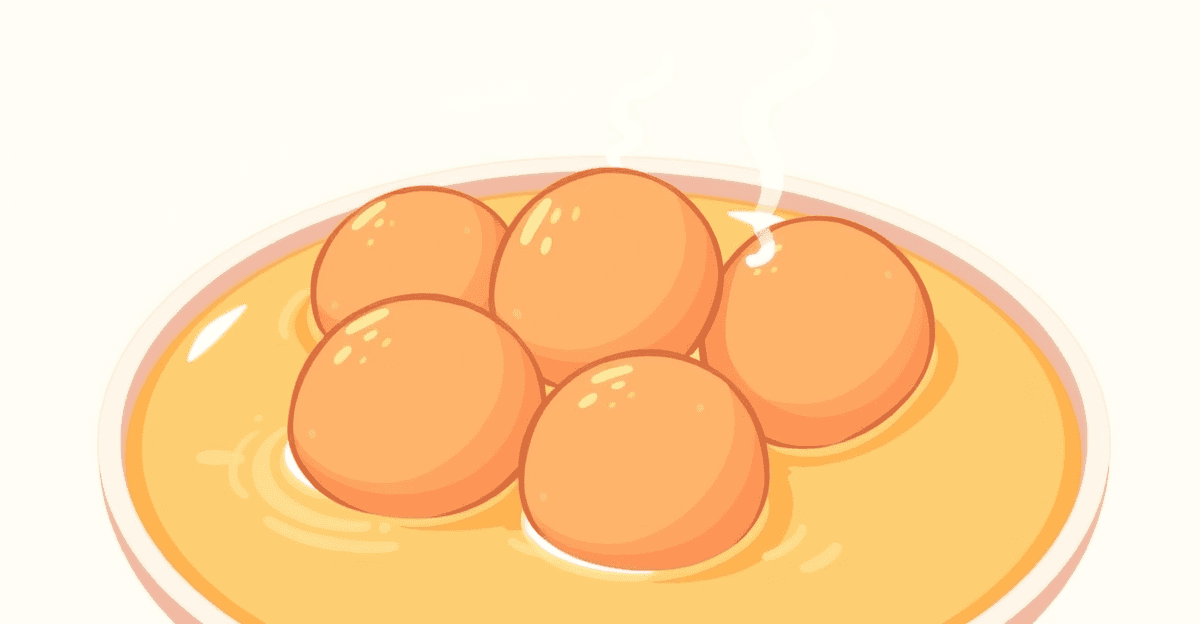
If you grew up in a Hakka family, the smell of abacus seeds hitting a hot wok probably means a festival is near. Known as suan pan zi or 算盘子, these chewy little discs are one of the most loved Hakka dishes, and the dough behind them is closer to our QQ sweet potato and yam balls than you might expect. In this guide we explain what abacus seeds are, how they are traditionally made, and how the sweet potato and tapioca QQ dough behind Ah Ma QQ Bowl is the same base, so QQ bowls and sweet potato balls can be used to make a traditional abacus seed meal at home.
TL;DR - Key Takeaways
- Abacus seeds (算盘子) are Hakka dumplings made from taro (yam) and tapioca flour, boiled, then stir-fried with savoury ingredients (Wikipedia).
- They are traditionally eaten at festivals such as Chinese New Year, as a wish for wealth.
- Our QQ dough is the same base: mashed sweet potato bound with tapioca starch, boiled soft and chewy. QQ bowls and sweet potato balls can be used to make a traditional abacus seed meal at home.
- Our QQ balls are always boiled and soft, never fried, made in our Hougang home kitchen.
What Are Abacus Seeds (Suan Pan Zi)?
Abacus seeds are small, dimpled, disc-shaped dumplings. The name refers to the beads on an abacus, and because the abacus is tied to counting money, the dish is eaten at festivals like Chinese New Year as a wish for wealth and prosperity. The round shape also stands for reunion and good health. According to Wikipedia, Hakka women are said to have prepared the dish for village men leaving to find work, as both food and a wish for their success.
You will find it today in parts of China, Taiwan, Malaysia and Singapore, especially wherever there is a large Hakka community. In Singapore it appears at family reunions, Hakka restaurants and festive tables.
What Goes Into Traditional Abacus Seeds?
The dough is beautifully simple. Most recipes use only two main things: steamed, mashed yam (taro) and tapioca starch, with a little hot water, salt and sugar to bring it together.
- The Singapore Women's Weekly recipe uses 160g yam, 45g tapioca starch and 30g hot water, with a little salt, sugar and white pepper.
- The starch is kneaded into the yam while it is still hot, which is the same trick behind a good QQ bite.
- The dough is shaped into small bead-like pieces and dropped into boiling water. When they float, they are ready.
After boiling, the seeds are stir-fried with ingredients such as minced pork, mushrooms, dried shrimp, dried cuttlefish and firm tofu, seasoned simply with pepper and a savoury sauce.
Why the QQ Dough Works for Abacus Seeds
Our sweet potato balls are made from real mashed sweet potato and taro with tapioca starch. That is exactly the structure of an abacus seed dough: a root vegetable base, tapioca starch for the springy chew, and gentle boiling rather than frying. In other words, the same base can be used to make abacus seeds at home. It gives you the soft, bouncy texture that makes suan pan zi special.
If you want to understand why this texture is so prized, our explainer on what QQ texture really means breaks down how tapioca starch creates that bounce, and what sweet potato balls are covers the ingredients we use.
Sweet bowl or savoury wok: the same dough, two meals
Most people know QQ balls as a comforting dessert in warm green bean soup. Abacus seeds show the other side of the same dough:
- Sweet: the classic bowl, served warm or cold, in green bean soup.
- Savoury: shaped into small dented discs, boiled, then stir-fried with mushrooms, dried shrimp and minced pork for a festive Hakka plate.
Many families do both at a reunion meal, one savoury dish for the table and a sweet bowl to finish.
How to Make an Abacus Seed Meal With QQ Dough at Home
Our QQ bowls start from the same base as abacus seeds: mashed root vegetable bound with tapioca starch. So if you make sweet potato balls at home, or follow our QQ method, you can use that dough to cook a traditional abacus seed meal. The method below follows WoonHeng Chia's Hakka taro abacus seeds recipe (2020), which uses 250g taro and 125g tapioca starch for 3 servings. Her recipe is written for taro; she notes that sweet potato also works and gives something like sweet potato gnocchi, with similar flavour.
Make the dough
- Boil the taro (or sweet potato) in just enough water until tender, then drain well. Too much water dilutes the flavour.
- Mash while hot, add a pinch of salt and some white pepper, then add the tapioca starch gradually and knead into a soft dough.
- If the dough is dry and the shaped pieces break apart, add a little water and knead again, or wet your hands before shaping.
Shape and boil the seeds
- Pinch off about 1 teaspoon of dough and roll it into a ball.
- Press your thumb into the middle to make a dent, like an abacus bead. Keep the shaped pieces covered so they do not dry out.
- Boil until they float to the surface, then strain into cold water.
- Drain, place on a plate and rub with a little oil so they do not stick. You can keep them in the fridge for up to 3 days and reheat them in boiling water before stir-frying.
Stir-fry
- Saute shallots until translucent, then add sliced mushrooms until fragrant.
- Push them aside and fry mashed firm tofu until golden brown.
- Add wood ear, garlic, the white parts of spring onion, oyster sauce, soy sauce, and a little stock or water. Boil for 30 seconds.
- Toss in the seeds, taste and adjust, and season with white pepper.
- Garnish with spring onion greens and cilantro.
Tips from the recipe
- More tapioca means chewier, but less flavour. Use just enough starch to bind a soft ball.
- Sweet potato is softer and more gnocchi-like than taro. Add the starch gradually and judge by feel.
- Many Singapore versions add minced pork, dried shrimp or dried cuttlefish; see the Singapore Women's Weekly recipe.
Want to practise the dough first? Our taro balls recipe and QQ texture recipe tips cover the yam-and-tapioca ratio and kneading.
A Festive Dish for Chinese New Year and Family Reunions
Abacus seeds are a natural fit for reunion tables because of their auspicious meaning. If you are planning a festive spread, they sit nicely beside other traditional favourites. Our guide to Chinese New Year desserts in Singapore covers the sweet side of the table, and traditional Singapore dessert traditions explains why these foods are passed down.
Hosting a bigger group? Take a look at our corporate dessert catering guide and our bulk order page for larger gatherings.
Not Up for Making It From Scratch?
At Ah Ma QQ Bowl, every batch of handmade sweet potato balls is made in our Hougang home kitchen, boiled soft and chewy and never fried. Our classic QQ bowl is served in warm green bean soup. See what is available on our products page, or read how to order sweet potato balls in Singapore.
Final Thoughts
Abacus seeds are proof that the humble yam and tapioca combination can do more than one thing. Whether you like it sweet in soup or savoury from the wok, that soft, bouncy QQ bite is what people remember. Try it for your next reunion meal and let the family count their blessings, one seed at a time.
Sources & References
- WoonHeng Chia - Hakka Taro (Yam) Abacus Seeds - Method reference: dough ratio, shaping, boiling and stir-fry.
- Wikipedia - Abacus seeds - Overview of the Hakka dish, its ingredients and festive meaning.
- The Singapore Women's Weekly - Suan Pan Zi (Abacus Seed) - Yam, tapioca starch and hot water dough and shaping method.
- Ah Ma QQ Bowl - Handmade sweet potato balls from our Hougang home kitchen.
Skip the recipe: order a Green Bean QQ Bowl
Soft, chewy taro sweet potato balls in warm green bean soup, handmade fresh in our Hougang kitchen. Served hot, cold or frozen.
$6 a bowl · Free Hougang self-collection · Ready from tomorrow
Frequently Asked Questions
Abacus seeds (算盘子, suan pan zi) are a Hakka dish of small, dimpled, disc-shaped dumplings made from taro (yam) and tapioca flour. They are boiled and then usually stir-fried with minced pork, mushrooms, dried shrimp and other ingredients. The name comes from the abacus, and the dish is traditionally eaten at festivals such as Chinese New Year as a wish for wealth.
Yes, at home. Abacus seeds and our QQ balls share the same idea: a mashed root vegetable dough bound with tapioca starch, boiled until soft and chewy. Our sweet potato and tapioca QQ dough is the same base as abacus seeds, so QQ bowls and sweet potato balls can be used to make a traditional suan pan zi meal at home. We do not sell prepared abacus seed portions; our bowls are the classic sweet potato balls in green bean soup.
Tapioca starch (tapioca flour). Published Singapore recipes mix it into hot, mashed steamed yam, for example about 160g yam to 45g tapioca starch in the Singapore Women's Weekly recipe, then adjust with a little hot water until a soft, non-sticky dough forms.
The seeds themselves are boiled first, until they float. They are then stir-fried with savoury ingredients as a wok dish. At Ah Ma QQ Bowl our dessert balls are always boiled and soft, never fried.
Traditionally it is a savoury dish, served as a main or a festive side. The same dough can also be served sweet in a soup, which is how most people know our QQ balls.
Craving these? Order fresh from our Hougang kitchen
Soft, chewy sweet potato balls in warm green bean soup — handmade with real taro and green beans, no preservatives. Order online for delivery across Singapore.
$6 a bowl · Free Hougang self-collection · Ready from tomorrow
Order the Green Bean QQ BowlRelated Articles
Taro Balls Recipe: Making QQ Chewy Yam Dessert at Home
Learn an easy taro balls recipe to make QQ chewy yam dessert at home, Singapore-style. Step-by-step guide to soft, boiled sweet potato balls in green bean soup.
Pandan Sweet Potato Balls: Fragrant Green Dessert Recipe
Learn how to make pandan sweet potato balls — soft, chewy QQ bites with fragrant pandan. A classic Singapore dessert recipe perfect in green bean soup.
Sweet Potato Cake Recipe: Soft Steamed Kueh
Try this easy sweet potato cake recipe for soft, chewy steamed kueh. Simple HDB-kitchen steps, ingredient swaps and tips for Singapore dessert lovers.